In the heart of East Africa,where vibrant cultures intertwine with rich culinary traditions,Kenyan irio stands out as more than just a humble dish-it’s a celebration of community,history,and the simple joys of comfort food. This colorful medley of mashed peas, potatoes, and corn is much more than it’s ingredients suggest; it tells a story of resilience, heritage, and the rhythms of everyday life on the Kenyan highlands. Join us as we peel back the layers of this iconic dish, exploring how Kenyan Irio’s bright hues and soulful flavors capture the spirit of a nation, one spoonful at a time.
Kenyan Irio: A Colorful Tale of Mashed Peas and Potatoes
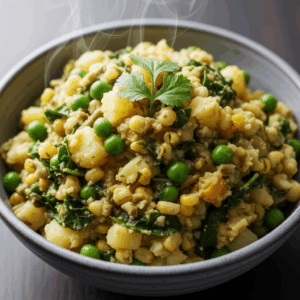
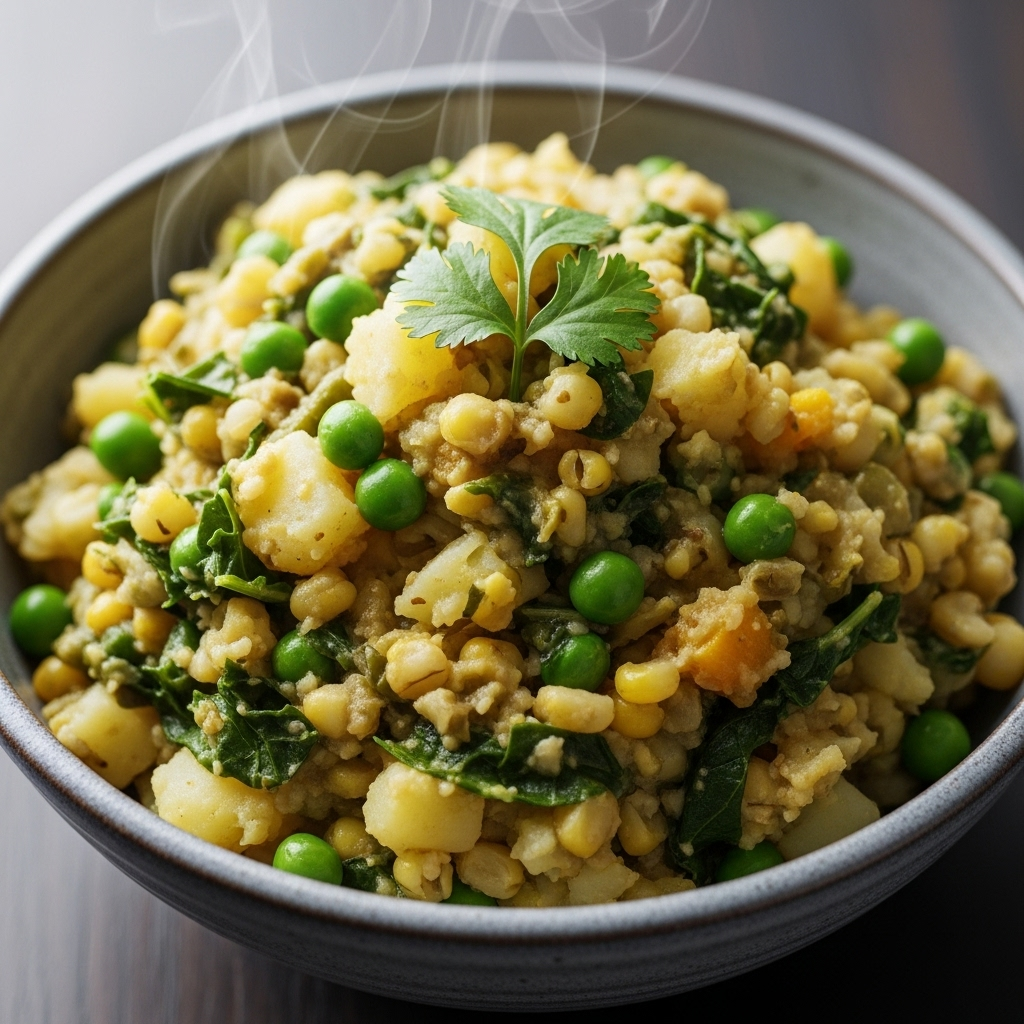
Kenyan Irio captures the heart of East African cuisine with its vibrant colors and satisfying simplicity. This classic dish, rooted deeply in Kenyan tradition, brings together fluffy mashed potatoes, sweet green peas, and fresh corn in a harmonious medley that tells a story of community feasts, farm-fresh ingredients, and culinary heritage. Whether shared at a celebratory gathering or served as a comforting family dinner, mastering the art of this dish connects you to generations of Kenyan culture and the richness of its land.
Prep and Cook time
Planning: 10 minutes
Cooking: 25 minutes
Total: 35 minutes
Yield
Serves 4 generously
Difficulty Level
Easy – perfect for beginners and seasoned cooks alike
Ingredients
- 4 medium-sized potatoes, peeled and quartered
- 1 cup fresh or frozen green peas
- 1 cup fresh or frozen corn kernels
- 1/4 cup whole milk (warm)
- 3 tablespoons unsalted butter
- Salt to taste
- Freshly ground black pepper, to taste
- Optional garnish: chopped cilantro or parsley
Instructions
- Boil the potatoes: Place the peeled and quartered potatoes in a large pot, cover with salted water, and bring to a boil. cook until tender and easily pierced with a fork, about 15 minutes.
- Add the peas and corn: In the last 5 minutes of cooking,add the peas and corn directly into the pot with potatoes to soften and blend flavors.
- Drain and steam dry: Drain the vegetables thoroughly and return to the hot pot. Place the pot back onto low heat for 1-2 minutes to steam off excess moisture-this step prevents watery Irio.
- Mash together: Using a potato masher or fork, combine potatoes, peas, and corn. Mash just enough to break down the vegetables but retain texture-aim for a chunky, vibrant blend.
- Stir in butter and milk: Warm the milk slightly and add along with butter to the mash, folding gently to create a creamy consistency. Season generously with salt and black pepper.
- Adjust texture and seasonings: For creamier Irio, add a splash more warm milk. Taste and adjust salt and pepper accordingly.
- Serve warm: Scoop into serving bowls or shape into a mound on a plate. Garnish with fresh chopped herbs for color and a delicate aromatic lift.
Tips for Success: Elevate Your Kenyan Irio Experience
- Choose the right potatoes: Use starchy varieties like Russets for fluffier mash,avoiding waxy types that can be gluey.
- Freshness matters: If possible,use fresh peas and corn to capture authentic sweetness; frozen is a fine substitute when out of season.
- Don’t over-mash: Retaining some pea and corn texture emphasizes the dish’s colorful, rustic appeal.
- Make ahead: Prepare Irio a few hours ahead, keep covered, and reheat gently with a splash of milk to revive its creaminess.
- Add a twist: For extra depth, lightly sauté diced onions and garlic in butter, and fold them in before serving.
Serving Suggestions
Kenyan Irio is traditionally paired with rich stews like Nyama Choma or vegetable curries, making for a heartwarming feast. Present it in a shallow bowl with a sprig of cilantro or parsley for visual contrast. For festive occasions, layer Irio alongside roasted meats or grilled fish, accentuated with vibrant side salads. Serve with a dollop of natural yogurt or a drizzle of spicy chili oil to add dynamic contrasts.

| Nutrient | per Serving |
|---|---|
| Calories | 210 kcal |
| Protein | 6 g |
| Carbohydrates | 38 g |
| Fat | 5 g |
Health Benefits and Nutritional Insights
beyond its vibrant colors and comforting flavors, Kenyan Irio is a nutritional powerhouse. The combination of peas and corn adds valuable plant-based proteins and essential fiber, promoting digestive health and steady energy.Potatoes contribute potassium and vitamin C,supporting cardiovascular and immune functions. Using minimal butter and opting for warm milk keeps fat content balanced, making this dish a nourishing choice for those seeking wholesome, traditional meals. For an in-depth look at the nutritional impact of legumes and vegetables, visit Healthline’s Peas Nutrition Guide.
Q&A
Q&A: kenyan Irio – A Colorful Tale of Mashed peas and Potatoes
Q1: What exactly is Kenyan Irio?
A1: Kenyan Irio is a vibrant, hearty dish that originates from the Kikuyu community in Kenya. It’s a comforting mash of peas,potatoes,corn,and sometimes beans,celebrated for its colorful medley and earthy flavors.Think of it as a festive,nutritious rainbow on your plate,blending humble ingredients into a soulful staple.
Q2: Why is Irio considered so special in Kenyan culture?
A2: Beyond being a daily comfort food, Irio carries deep cultural importance. Traditionally, it was prepared for large family gatherings, harvest celebrations, and rites of passage, symbolizing unity and abundance. Its simplicity belies its power to bring people together, reflecting the community’s connection to the land and each other.
Q3: What makes Irio different from other mashed vegetable dishes?
A3: Unlike typical mashed potatoes, Irio incorporates a colorful mix of peas and corn alongside potatoes, giving it a distinctive texture and a vivid, vibrant appearance. This combination isn’t just visual-it enriches the dish with varied flavors and nutrients, embodying kenya’s agricultural diversity.
Q4: How is Irio traditionally prepared?
A4: Preparation begins with boiling green peas, maize (corn kernels), and potatoes until tender. These are then gently mashed together, frequently enough leaving a bit of texture to preserve individual flavors. Some variations add beans or even leafy greens. The final mash is seasoned simply with salt and sometimes a touch of butter or ghee, highlighting the natural essence of each component.
Q5: Can Irio be paired with other Kenyan dishes?
A5: Absolutely! Irio is often served alongside grilled meats such as nyama choma (roasted goat or beef), stews, or sukuma wiki (collard greens), creating a balanced and flavorful meal. Its mild, earthy taste complements spicy or richly sauced dishes beautifully, making it a versatile companion on the Kenyan dining table.
Q6: Is Irio a healthy food option?
A6: Definitely. Filled with proteins, fiber, and vitamins from peas, corn, and potatoes, Irio is a nourishing and wholesome dish. Its plant-based ingredients make it beneficial for digestive health and provide sustained energy, reflecting the wisdom of traditional Kenyan agriculture and cuisine.
Q7: How can someone outside Kenya experience authentic Irio?
A7: To truly savor Irio, seek out Kenyan restaurants or home cooks who honor the traditional methods.Alternatively, adventurous cooks can recreate it at home using fresh peas, sweet corn, and starchy potatoes. Embrace the process as a cultural exploration-a mash-up of flavors and stories from the heart of Kenya’s highlands.
Q8: what does Irio tell us about Kenyan food culture?
A8: Irio is more than just a dish; it’s a narrative of Kenya’s connection to the earth, family, and festive traditions.It illustrates a culture that values simplicity,community,and vibrant flavors woven together-turning everyday ingredients into a colorful celebration of life itself.
Closing Remarks
As the vibrant hues of Kenyan Irio remind us,food is far more than sustenance-it is a storytelling canvas painted with the rich cultural threads of a nation. This humble dish, with its blend of mashed peas, potatoes, and corn, encapsulates the warmth of Kenyan heritage and the simple joys found in communal meals. Whether served at a bustling family gathering or a festive celebration, Irio continues to nourish not only the body but also the soul, preserving a colorful chapter in Kenya’s culinary tapestry for generations to come. So next time you encounter this vibrant plate, take a moment to savor not just its flavors but the vibrant story it carries within.