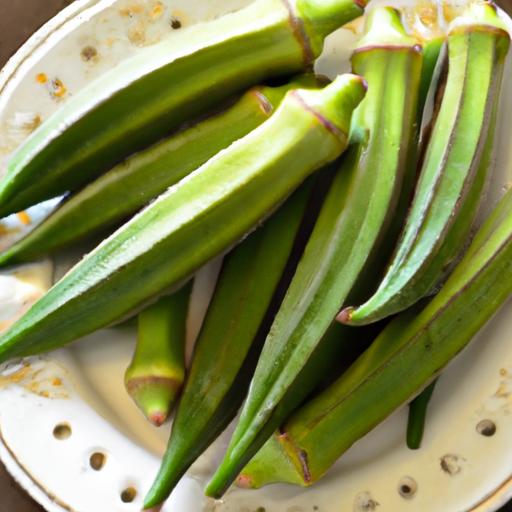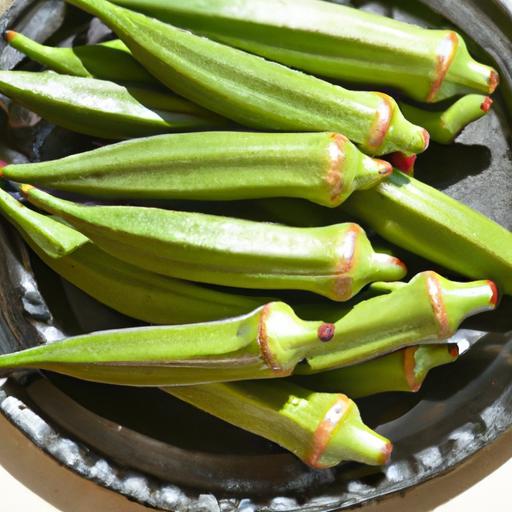
Nestled at the heart of African cuisine lies a humble yet extraordinary ingredient that has been delighting taste buds for centuries: okra. Often celebrated for its unique texture and subtle flavor, okra is much more than a simple vegetable-it’s a culinary treasure that brings vibrant colors, rich history, and hearty nourishment to the table. In “Savor Africa: Tasty Okra Recipes to Spice Your Table,” we embark on a flavorful journey across the continent, exploring conventional and innovative dishes that transform okra into mouthwatering meals. Whether you’re a seasoned foodie or a curious cook, get ready to discover how this versatile pod can infuse your kitchen with the spirited tastes of Africa.
Savor Africa: Delicious Okra Recipes to Spice Your Table
Savor Africa’s vibrant flavors with these traditional okra stews – a celebration of Africa’s rich culinary heritage that transforms humble okra into a dish bursting with warmth, texture, and unforgettable depth.Okra has been cherished for centuries across the continent, gracing family tables from West to East Africa, were it plays a starring role in hearty stews and sauces. I recall my frist taste of a slow-simmered okra stew in a bustling Lagos market, where every bite spoke of tradition, spice, and a vibrant community spirit. This recipe unlocks those authentic, bold flavor profiles, inviting you to master the art of crafting delicious African okra dishes right in your kitchen.
Prep and Cook Time
- Readiness: 15 minutes
- Cooking: 45 minutes
- Total Time: 1 hour
Yield
Serves 4-6
Difficulty Level
Medium – approachable for home cooks eager to explore African flavors
ingredients
- 500g fresh okra, sliced into 1/2 inch pieces
- 3 tablespoons palm oil (or substitute with red palm oil for authenticity)
- 1 large onion, finely chopped
- 4 cloves garlic, minced
- 2 medium tomatoes, chopped
- 1 tablespoon tomato paste
- 1-2 hot chili peppers, chopped (adjust to taste)
- 300g assorted meats (beef, goat, or chicken), cut into bite-sized pieces
- 1 teaspoon smoked paprika
- 1 teaspoon ground crayfish (optional but recommended)
- 500ml beef or vegetable stock
- Salt and freshly ground black pepper to taste
- Fresh chopped parsley or bitterleaf for garnish
- Juice of half a lime
Instructions
- Prepare the okra: Rinse the sliced okra in cold water, then pat dry with a clean towel.Removing excess moisture helps reduce sliminess.
- Heat the palm oil in a large heavy-bottomed pot over medium heat. Once shimmering, add the chopped onion and sauté until translucent, about 5 minutes.
- Add the garlic and chili peppers, stirring constantly to release their aroma, about 2 minutes.
- Introduce the meat pieces to the pot.Brown evenly on all sides for approximately 7-8 minutes, stirring occasionally to prevent sticking.
- Stir in the chopped tomatoes and tomato paste, allowing them to cook down and thicken the mixture for about 5 minutes.
- Add the smoked paprika and ground crayfish, stirring well to incorporate these signature flavors.
- Pour in the stock, ensuring the meat is just covered. Reduce the heat to low, cover the pot, and let the stew simmer for 30 minutes or until the meat is tender and flavors meld.
- Carefully fold in the okra, stirring gently to combine. Allow the stew to cook uncovered for another 10-15 minutes until the okra is soft but retains slight crunch and the sauce thickens.
- season with salt, pepper, and a squeeze of lime juice for brightening the flavors. Stir gently.
- Garnish with fresh chopped parsley or bitterleaf before serving to add a fresh herbal note and vibrant color.
Chef’s Notes
- Reduction of sliminess: Quickly sautéing okra before adding liquid helps manage the natural mucilage.
- Protein variations: For vegetarian options, substitute meats with mushrooms, or smoked tofu for a satisfying umami punch.
- Make ahead: this stew tastes even better the next day as the flavors intensify. Reheat gently over low heat, adding a splash of water if needed.
- Spice level: Adjust chili peppers according to your heat preference or substitute with cayenne powder.
Serving Suggestions
Pair your okra stew with hearty sides that soak up its luscious sauce. Traditional African accompaniments include soft fufu (made from cassava or yam), steaming bowls of jollof rice, or fluffy ugali. For a lighter twist, serve alongside fresh couscous or warm flatbreads to scoop every last flavorful bite.
Top your dish with a sprinkle of roasted peanuts or a drizzle of extra palm oil to enhance texture and richness. Brighten the plate visually and aromatically with fresh chili slices and a wedge of lime on the side.
| Nutritional Info (per serving) | Calories | Protein | Carbs | Fat |
|---|---|---|---|---|
| Okra Stew | 320 kcal | 27g | 12g | 18g |

For more inspiring African dishes that bring bold flavors to your kitchen, explore our jollof rice guide. discover culinary traditions and master the techniques that transform everyday ingredients into extraordinary meals.
Expand your knowledge on African ingredients and health benefits of okra with this informative scientific overview by the national Institutes of Health.
Q&A
Q&A: Savor Africa – Delicious Okra Recipes to Spice Your Table
Q: What makes okra a staple ingredient in African cuisine?
A: Okra’s unique texture and mild flavor make it incredibly versatile in African kitchens. Known locally by various names-from “lady’s fingers” to “gumbo”-okra thickens soups and stews with its natural mucilage, adding a luscious, silky consistency that’s both comforting and nutritious. Its abundance and adaptability have cemented its place as a beloved staple across the continent.
Q: How can okra enhance the flavor profile of a dish?
A: Beyond its signature sliminess, okra acts like a flavor sponge, absorbing and enhancing spices and herbs it’s cooked with. When paired with fiery peppers, tangy tomatoes, and aromatic onions-as in many African recipes-it elevates simple ingredients into a vibrant, layered taste experience that’s both hearty and fresh.
Q: Are there different ways to prepare okra to vary its texture and taste?
A: Absolutely! Okra can be sliced thin for silky stews or chopped chunky for a satisfying bite. frying or roasting it crisps up the exterior, reducing the sliminess and adding a smoky depth. Dry roasting brings out a nutty undertone, while fast sautéing preserves its bright, grassy notes. The method chosen can transform okra from a soothing stew base to a crispy snack.
Q: What are some traditional African okra dishes featured in the article?
A: The article showcases rich classics like Nigerian Okra Soup-thick, spicy, and perfect with pounded yam-Senegalese Mafé Okra, where okra mingles in a peanut and tomato sauce, and Ghanaian Kontomire stew that blends okra with cocoyam leaves and smoked fish. Each recipe celebrates regional flavors while inviting home cooks to explore diverse textures and spices.
Q: Can okra be made appealing to those who might be hesitant about its texture?
A: Definitely! Understanding how to minimize sliminess is key. For beginners, frying sliced okra until crisp or combining it with acidic ingredients like lemon juice or tomatoes can cut down on mucilage. Also, cooking okra quickly over high heat helps maintain a firmer texture. The article offers tips and tricks to help every palate enjoy this unique vegetable.
Q: How does incorporating okra into meals benefit one’s diet?
A: Okra is a powerhouse of nutrition-packed with vitamins A and C, fiber, and antioxidants. Its soluble fiber supports digestion and blood sugar control, while its antioxidant compounds promote heart health. Including okra in meals not only delights the taste buds with african flair but also contributes to wholesome eating habits.
Q: What inspired the creation of the “Savor Africa” okra recipe collection?
A: “Savor Africa” was born from a passion to celebrate the rich culinary heritage of African vegetables like okra, often underestimated beyond their home continents. by weaving together traditional recipes and creative spins, the collection invites food lovers everywhere to spice up their tables with authentic flavors and vibrant African stories.
In Summary
As you bring these vibrant okra recipes from across Africa to your table, you’re not just serving a meal-you’re sharing a piece of rich cultural heritage bursting with flavor and history. Whether sizzling in a spicy stew, crisped to perfection, or blended into a creamy sauce, okra’s versatility promises to elevate your culinary adventures. So, let your taste buds embark on this delicious journey, and may each bite inspire you to explore even deeper into the diverse and delectable world of African cuisine. Savor the spice, celebrate the tradition, and most of all, enjoy every savory moment!