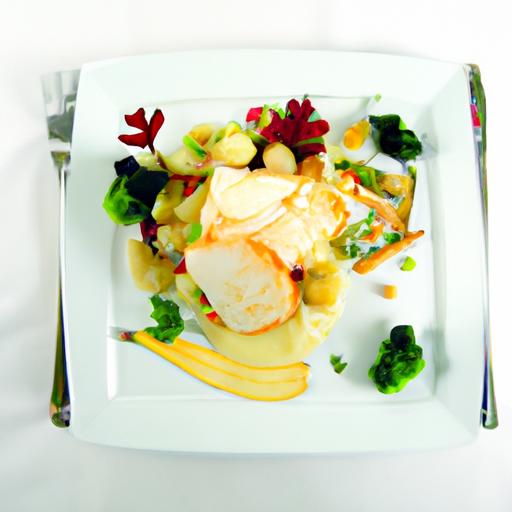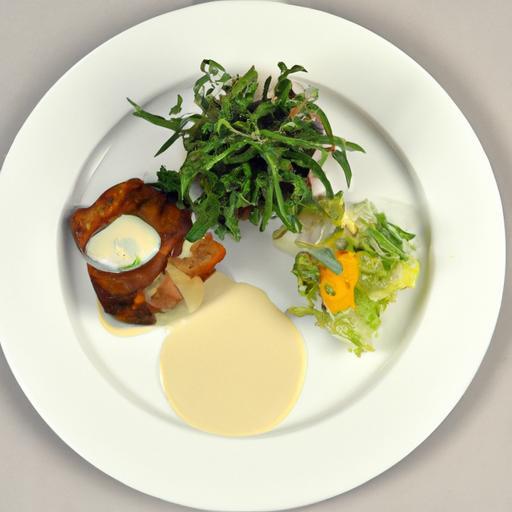
Europe’s culinary landscape is a vibrant mosaic, where every region tells a story through its flavors, ingredients, and traditions. From the sun-drenched olive groves of the Mediterranean to the hearty mountain stews of the Alps, each locale invites travelers to embark on a sensory journey that transcends mere taste. “Savor Europe: A Journey Through Regional Culinary treasures” explores these diverse epicurean treasures, revealing how history, geography, and culture have shaped the unique dishes that define Europe’s rich gastronomic heritage. Whether you’re a seasoned foodie or an adventurous traveler, join us as we traverse cobblestone streets and bustling markets in search of authentic flavors that capture the spirit of the continent.
Savor Europe-Inspired Almond and Honey Panna Cotta with Citrus Compote
Savor Europe’s rich culinary heritage through this luscious Almond and Honey Panna Cotta, a dessert that marries the delicate creaminess of Italian coastal tradition with the vibrant citrus notes reminiscent of Southern Spain’s sun-kissed shores. This indulgent yet approachable treat highlights the delightful balance between sweetness and zest that defines many Mediterranean desserts, inviting you on a sensorial journey across the region’s flavors.
Originating from the northern Italian region of Piedmont and popularized in coastal areas for its fresh, natural ingredients, panna cotta is traditionally a simple cream-based dessert. the addition of pure honey and toasted almonds brings layered sweetness and texture, while the shining citrus compote adds a refreshing contrast that enlivens the palate with every bite.
Prep and Cook Time
- Preparation: 15 minutes
- Chilling: 4 hours minimum
- Total Time: Approximately 4 hours 15 minutes
Yield
- Serves 6 elegantly sized portions
Difficulty Level
- Medium – Ideal for confident home cooks looking to impress
Ingredients
- 2 cups heavy cream
- 1 cup whole milk
- 1/3 cup raw honey, plus extra for drizzling
- 1 tbsp almond extract
- 3 tsp powdered gelatin
- 1/4 cup cold water
- 1/2 cup toasted sliced almonds, for garnish
- For the Citrus compote:
- 2 large oranges, peeled and segmented
- 1 grapefruit, peeled and segmented
- 2 tbsp lemon juice, freshly squeezed
- 2 tbsp honey
- 1 tsp finely grated orange zest
Instructions
- Bloom the gelatin: In a small bowl, sprinkle gelatin over cold water and let it bloom for 5-7 minutes until it swells and becomes spongy.
- Heat the cream mixture: In a medium saucepan over medium heat, combine heavy cream, milk, and 1/3 cup honey. Stir gently to dissolve honey and heat until just under a boil – small bubbles should form at the edges.
- add almond extract and gelatin: Remove saucepan from heat and whisk in almond extract, then stir in the bloomed gelatin until entirely dissolved.
- Pour & chill: Strain mixture through a fine sieve into individual serving glasses or ramekins for a silky texture. Allow cooling to room temperature, then cover with cling film and refrigerate for at least 4 hours or overnight to set firmly.
- Prepare the citrus compote: In a bowl, gently toss orange and grapefruit segments with lemon juice, honey, and orange zest. Let it macerate for at least 30 minutes; this softens the fruit and intensifies flavors.
- Serve: Once panna cotta is set, spoon the vibrant citrus compote over the top and sprinkle with toasted sliced almonds for a crunchy contrast.
Tips for Success
- For a dairy-free version, substitute cream and milk with full-fat coconut milk; gelatin can be replaced with agar-agar, but adjust quantity and setting time accordingly.
- Toast the almonds carefully over medium heat until golden and fragrant; avoid burning as bitterness will spoil the flavor.
- If panna cotta doesn’t set properly, gently reheat and add a little extra gelatin dissolved in warm water, then refrigerate again.
- Make the citrus compote a day ahead for deeper infusion,but add crunchy almonds just before serving to preserve texture.
Serving Suggestions
Present this panna cotta in transparent glassware to showcase its creamy texture topped with jewel-like citrus segments. Garnish with a sprig of fresh mint or edible flowers for an elegant finish. Pair it with a glass of chilled Moscato d’Asti or a light Mediterranean herbal tea to extend the sensory voyage.

| Nutrient | Per serving |
|---|---|
| Calories | 280 kcal |
| Protein | 5 g |
| Carbohydrates | 22 g |
| Fat | 18 g |
Immerse yourself in the elegance of Mediterranean flavors and recreate a classic dessert that celebrates the essence of Savor Europe’s culinary treasures. For more traditional Italian desserts with a modern twist, explore our Classic Italian Desserts collection. To learn about the rich history of panna cotta,visit Britannica’s panna cotta entry.
Q&A
Q&A: Savor Europe – A Journey Through Regional Culinary Treasures
Q1: What is the essence of “Savor Europe: A Journey Through Regional Culinary Treasures”?
A1: At its heart, “Savor Europe” is an edible voyage that invites you to explore the continent’s rich culinary tapestry. It’s less about tourist landmarks and more about tasting the soul of each region-an exploration through flavors, traditions, and stories simmering in local kitchens and family recipes passed down through generations.
Q2: why focus on regional specialties rather than well-known national dishes?
A2: Europe’s charm lies not just in countries but in its intricate mosaic of regions-each with unique climates, histories, and influences. Regional dishes are the authentic culinary fingerprints that reveal how geography and culture intertwine. Think beyond the umbrella of “Italian” or “French” food; delve into the distinct spices of sicily, the hearty stews of Brittany, or the smoky flavors of the Balkans.
Q3: Which European regions offer surprising culinary experiences often overlooked by travelers?
A3: Many hidden gems await adventurous palates. For instance, the Basque Country straddling Spain and France boasts pintxos-bite-sized culinary artworks. The Nordic region surprises with inventive uses of seaweed and foraged herbs. Eastern Europe, like Hungary and Romania, delights with robust paprika-infused dishes and comforting sour soups that tell tales of resilience and resourcefulness.Q4: How do cultural histories shape European regional cuisines?
A4: History flavors food like the best spices. Ottoman rule introduced fragrant spices and cooking methods to the Balkans. trade routes delivered exotic ingredients to port cities, enriching coastal menus. The rural, agrarian lifestyle influenced hearty, simple fare made from locally available produce, reflecting seasons and sustenance needs, while urban centers fostered culinary innovation and fusion.
Q5: Can a culinary journey through Europe be lasting and ethical?
A5: Absolutely. Embracing regional cuisine often means supporting small-scale farmers,artisanal producers,and traditional markets.It encourages eating seasonal, locally sourced ingredients, reducing food miles and environmental impact. Plus, it honors cultural heritage and preserves biodiversity-tasting history while protecting its future.Q6: what should travelers keep in mind to truly savor these regional culinary treasures?
A6: Approach with curiosity and an open palate. Engage with locals, learn the stories behind dishes, and don’t shy away from unfamiliar ingredients. Remember, food is a language of hospitality-sharing a meal often opens doors to deeper connections and memorable experiences.
Q7: How can readers recreate a taste of Europe’s regional cuisine at home?
A7: Start with simple, authentic recipes from trusted sources and use fresh, local ingredients as much as possible.Explore culinary markets or specialty shops for unique products. Experiment with herbs and spices native to the regions, and don’t rush-European cooking often honors time and patience, whether in slow-simmered stews or fermented delicacies.Q8: What makes “Savor Europe” more than just a food guide?
A8: It’s an invitation to immerse oneself in culture, history, and geography through the sensory delight of food.It’s storytelling through taste, a bridge connecting past and present, and a celebration of diversity that nourishes both body and soul. In essence, it turns eating into an unforgettable journey.
Key Takeaways
As our culinary journey across europe draws to a close, we’re reminded that each region’s flavors tell stories of culture, history, and heart. From the sun-kissed olive groves of the Mediterranean to the hearty mountain stews of the Alps, Europe’s diverse table invites us to savor not just meals, but experiences crafted through generations. so whether you’re a seasoned foodie or an adventurous palate, let these regional treasures inspire your next dish, your next trip, and your next delicious memory. After all, in Europe, every bite is a passport to a world waiting to be tasted.