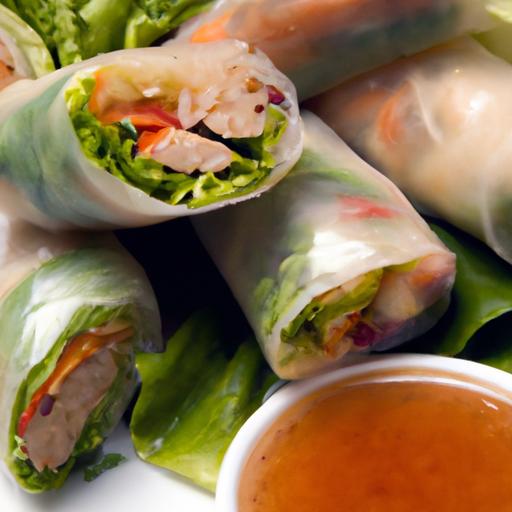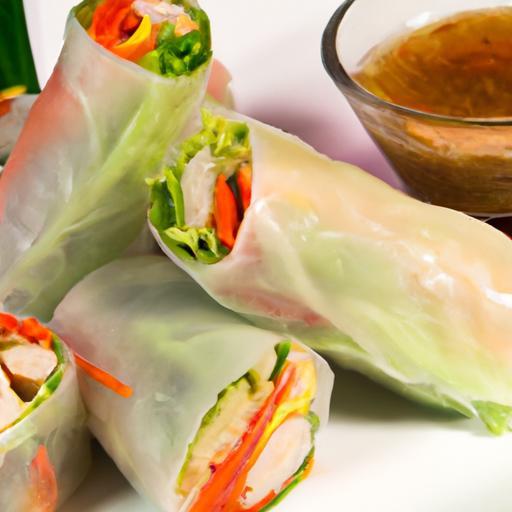
Crisp,colorful,and brimming with fresh flavors,Asian spring rolls have long captivated taste buds around the world. these delightful handheld treasures offer a perfect harmony of textures-from the satisfying crunch of the wrapper to the vibrant medley of ingredients tucked inside. Whether steamed, fried, or fresh, spring rolls invite endless creativity, showcasing regional variations and the rich culinary traditions of Asia. In this article, we embark on a flavorful journey to explore a variety of Asian spring roll recipes, uncovering the secrets to making them irresistibly crisp and delightfully satisfying with every bite.
Crisp & Delightful: Exploring Asian Spring Roll Recipes
Crisp & Delightful: Exploring Asian Spring Roll Recipes invites you on a flavorful journey through one of Asia’s most beloved appetizers. These delicate parcels of seasoned fillings wrapped in thin rice or wheat wrappers have roots that span centuries and cultures, embodying a perfect harmony of texture and taste. Whether you grew up savoring them at family gatherings or are discovering them for the first time, mastering the art of spring rolls brings both satisfaction and tasty reward.
Prep and Cook Time
- Preparation: 30 minutes
- Cooking: 15 minutes
- Total Time: 45 minutes
Yield
Approximately 20 spring rolls (serves 4-6)
Difficulty Level
Medium – requires some practice in rolling and frying techniques
Ingredients
- 20 spring roll wrappers (rice paper or wheat-based,6-inch diameter)
- 1 cup shredded cabbage,finely chopped
- ½ cup grated carrot
- 1 cup cooked shrimp,chopped (optional for seafood version)
- ½ cup cooked ground pork or chicken (choice to shrimp)
- 2 cloves garlic,minced
- 1 small onion,finely chopped
- ½ cup glass noodles,soaked and chopped
- 2 tablespoons soy sauce
- 1 tablespoon oyster sauce
- 1 teaspoon sesame oil
- Salt and pepper,to taste
- Vegetable oil,for frying
- 1 egg,beaten (for sealing edges)
Instructions
- Prepare the filling: In a large skillet,heat a teaspoon of vegetable oil over medium heat. Sauté minced garlic and chopped onion until fragrant and translucent, about 2-3 minutes.
- Add meats or seafood: Stir in cooked shrimp and/or ground pork (or chicken), combining with the aromatics. Cook for 3-4 minutes to incorporate flavors.
- Vegetables and noodles: Add shredded cabbage, grated carrot, and soaked glass noodles. Stir occasionally and cook another 4-5 minutes until slightly softened.
- Season: Mix in soy sauce, oyster sauce, and sesame oil. Taste and adjust salt and pepper. Remove from heat and allow filling to cool slightly.
- Rolling setup: Place a spring roll wrapper on a clean, flat surface with one corner facing you. Spoon about 2 tablespoons of filling near the corner closest to you.
- Roll tightly: Fold the corner over the filling, then fold in the sides snugly. Continue rolling towards the far corner until fully wrapped.
- Seal: Brush the far corner with beaten egg to seal the roll securely. Set aside and repeat with remaining wrappers and filling.
- Frying: Heat vegetable oil in a deep pan to 350°F (175°C). Carefully slide spring rolls in batches, frying for 3-4 minutes or until golden and crisp, turning as needed.
- Drain: Remove spring rolls with a slotted spoon and place on paper towels to drain excess oil.
Tips for Success: Mastering the Art of Rolling Perfectly Crisp Spring Rolls
For the ultimate crisp & delightful spring roll experience, ensure your filling is cool and not too watery before rolling, preventing soggy wrappers. Practice the folding technique – snug but not overly tight – to avoid bursting during frying. Use fresh wrappers and maintain oil temperature consistently; too low, and rolls will absorb oil, too high, and they may burn. Egg wash is a simple yet invaluable step to keep your rolls tightly sealed. For a lighter option, try baking them at 425°F (220°C) until crispy, turning halfway.
Exploring Flavorful Fillings From Classic to Contemporary
The beauty of this dish lies in it’s versatility. Traditional fillings embrace pork, shrimp, cabbage, and glass noodles, delivering a savory, mildly sweet bite. Contemporary twists invite ingredients like shiitake mushrooms, tofu, kimchi, or even exotic fruits like mango for a sweet-spicy contrast. Dare to experiment with regional spices or add crunchy water chestnuts for textural harmony. Each variation offers a fresh taste outlook while honoring the crisp & delightful essence.
Tips for frying and Serving Spring Rolls to Perfection
Achieving perfectly fried spring rolls means starting with clean, high-smoke-point oil and not overcrowding your frying pan. Maintain oil temperature around 350°F for an even, golden crust. Serve spring rolls instantly while warm and crisp. Accompany them with dipping sauces like sweet chili, hoisin-peanut, or traditional fish sauce blends to elevate the flavors. Garnish with fresh herbs such as cilantro, mint, or Thai basil and a wedge of lime for bursts of brightness that complement the rich, crunchy rolls.
Serving Suggestions
- Plate spring rolls atop a bed of crisp lettuce leaves or shredded greens for colour and crunch.
- offer a trio of dipping sauces-sweet chili, soy-ginger, and tangy tamarind-to please varied palates.
- Sprinkle toasted sesame seeds or finely chopped roasted peanuts atop the dipping bowls for texture.
- Pair with a light cucumber salad or pickled vegetables for a refreshing side.
| Nutrient | Per Serving (3 rolls) |
|---|---|
| Calories | 320 kcal |
| Protein | 12 g |
| Carbohydrates | 30 g |
| Fat | 15 g |
For further inspiration on Asian appetizers, discover our Ultimate Guide to Asian Appetizers. To dive deeper into the history and cultural role of spring rolls, visit Encyclopedia Britannica’s Spring Roll entry.

Q&A
Q&A: Crisp & Delightful – Exploring Asian Spring Roll Recipes
Q1: What makes Asian spring rolls so irresistibly crisp and delightful?
A1: The magic lies in the delicate balance of the wrapper and the filling! Authentic spring roll wrappers made from rice or wheat flour are thin yet sturdy enough to encase flavorful fillings. When fried or baked just right, they develop a golden, crackling exterior that beautifully contrasts the fresh, vibrant ingredients inside. It’s this textural harmony that gives each bite an unforgettable crunch and burst of flavor.
Q2: Are there different types of spring rolls across Asia?
A2: Absolutely! From the translucent vietnamese summer rolls to the deep-fried Chinese spring rolls, Asian spring rolls come in a variety of delicious forms. Such as, the Filipino lumpia is known for its sweet-savory filling, while Thai spring rolls frequently enough feature a blend of glass noodles and fresh herbs. each region adds its unique spin,showcasing local ingredients and tastes.
Q3: What are some classic fillings used in Asian spring rolls?
A3: Classic fillings often include a medley of finely chopped vegetables like cabbage, carrots, and bean sprouts, paired with proteins such as shrimp, pork, chicken, or tofu. Aromatic herbs like cilantro, mint, and Thai basil elevate the freshness, while a hint of garlic, ginger, and soy sauce bring savory depth.The key is balancing textures and flavors to create a harmonious bite.
Q4: Can spring rolls be made vegetarian or vegan without losing flavor?
A4: Definitely! Fresh vegetables, mushrooms, glass noodles, and tofu are fantastic plant-based ingredients that provide texture and taste. Incorporating umami-rich elements like shiitake mushrooms, tamari, or hoisin sauce will ensure the rolls remain flavorful and satisfying. Plus, dipping sauces like peanut or sweet chili add a tantalizing finishing touch.Q5: What tips can help achieve the perfect crispy spring roll at home?
A5: Start with fresh wrappers and don’t overfill them-too much filling makes rolling tricky and can cause tearing. Seal the edges with a bit of water or egg wash to prevent leakage during frying. Maintain the oil temperature around 350°F (175°C) for even cooking and crispiness without greasiness. Alternatively,baking or air-frying offers a lighter yet still crunchy option.
Q6: What are some popular dipping sauces that complement Asian spring rolls?
A6: Dipping sauces are the soulmates of spring rolls! Classic options include hoisin-peanut sauce, tangy nuoc cham (Vietnamese fish sauce dip), sweet chili sauce, and soy-ginger blends. Each sauce enhances the rolls with a splash of sweetness, acidity, or spice, creating a dynamic flavor dance on your palate.
Q7: How can I experiment with spring rolls to put my own twist on tradition?
A7: The beauty of spring rolls is their versatility. Try infusing fillings with unconventional ingredients like kimchi, mango, or spiced ground lamb. Switch up wrappers by using lettuce leaves for a fresh wrap or rice paper for a gluten-free option. Don’t shy away from fusion dips either-imagine a curry peanut sauce or a tangy mango salsa! Let creativity lead the way.
Whether you’re a newbie or a spring roll aficionado, these crisp and delightful Asian spring roll recipes invite you to savor a world of textures, flavors, and culinary stories in every roll. happy rolling!
Insights and Conclusions
As we wrap up our journey through the vibrant world of Asian spring rolls, it’s clear that these crisp, delightful bites are more than just appetizers-they’re a canvas of culture, flavor, and creativity. Whether you prefer the traditional Vietnamese rice paper rolls bursting with fresh herbs or the golden, deep-fried varieties filled with savory treasures, each recipe offers a unique taste experience that transcends borders. So next time you’re craving something light yet satisfying,remember: the perfect spring roll is just a roll away,waiting to bring a harmonious crunch and a burst of flavor to your table. Happy rolling and even happier tasting!