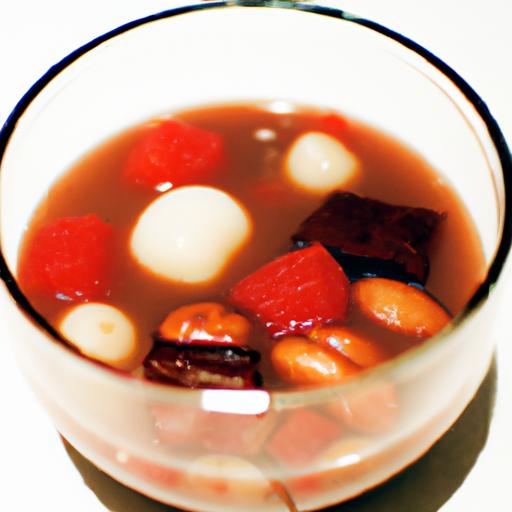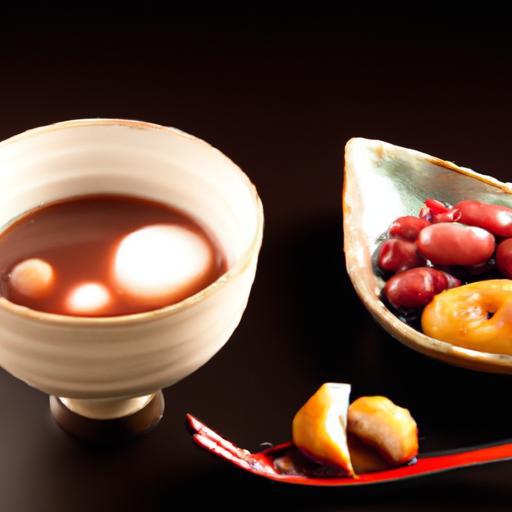
In the heart of japan’s culinary traditions lies a comforting treat that warms both body adn soul: Zenzai. This delightful dish, a luscious warm red bean soup studded with tender mochi, offers a sweet escape into the world of Japanese flavors and culture.More than just a dessert, Zenzai is a celebration of simple ingredients transformed by time-honored techniques, evoking memories of cozy winter evenings and festive gatherings. Join us as we explore the rich history, cultural meaning, and irresistible charm of Japanese Zenzai-the perfect harmony of sweetness and texture in every spoonful.
japanese Zenzai: warm Sweet Red Bean Soup with Mochi Delight
Japanese Zenzai gently warms the soul with its rich, velvety sweet red bean soup and pillowy mochi, evoking memories of cozy winter evenings and festive gatherings. This cherished customary dessert beckons not only with its comforting flavors but also with the deep cultural roots it holds in Japan’s culinary heritage. Whether enjoyed after a hearty meal or shared during New Year’s celebrations, this dish offers a perfect balance of sweetness and texture that is as inviting today as it was centuries ago.
Prep and Cook Time
- Planning: 10 minutes
- Cooking: 60 minutes
- Total Time: 70 minutes
Yield
Serves 4 generous portions
Difficulty Level
Medium – Simple steps but requires patience for perfect bean texture
Ingredients That Make Japanese Zenzai Irresistibly Sweet and Comforting
- 1 cup dried azuki beans
- 5 cups water
- 3/4 cup granulated sugar (adjust to taste)
- Pinch of sea salt
- 4 pieces fresh mochi or store-bought mochi cakes
- Optional: a splash of mirin or sweet sake for depth
- Optional garnish: toasted black sesame seeds or kinako (roasted soybean flour)
Step by Step Guide to Preparing Traditional Japanese Zenzai at Home
- Rinse and soak the azuki beans: Thoroughly rinse the dried azuki beans under cold water. Soak them for at least 4 hours or overnight to soften, which shortens cooking time and yields a tender, creamy texture.
- Cook the beans: Drain the soaking water. Add beans and 5 cups fresh water to a medium pot and bring to a boil over medium-high heat.Once boiling, reduce heat to low and simmer uncovered for 40-50 minutes. Skim off any foam that forms on the surface during the first 10 minutes.
- Sweeten the soup: When beans are soft but still hold their shape, add 3/4 cup sugar gradually, stirring gently. Continue simmering for another 10-15 minutes until the soup thickens slightly and the beans meld with the sweet syrup. Add a pinch of salt to balance sweetness and enhance the natural flavor.
- Prepare the mochi: While the soup simmers, grill or lightly toast mochi pieces until golden brown and puffy, about 2-3 minutes per side. Toasting enhances their chewiness and adds a subtle nutty aroma that complements the beans.
- Assemble and serve: Ladle the warm Japanese Zenzai into bowls and float 1-2 toasted mochi pieces on top. Garnish with toasted black sesame seeds or kinako for added texture and nutty notes if desired.
Perfect Mochi Pairings and Serving Tips for an Authentic Experience
For an authentically delightful serving, pair the Japanese Zenzai with freshly grilled mochi-its chewy texture and slight crispness play beautifully against the smooth, sweet red bean soup. If mochi is unavailable, glutinous rice balls or shiratama dango are fantastic alternatives.
Serve zenzai in traditional lacquerware bowls to enhance its homey and elegant appeal. Enjoy it warm as a heartwarming finish to a Japanese meal or as a cozy winter treat. For a modern twist, top each bowl with a dollop of whipped cream or a drizzle of matcha syrup to introduce a contrast of flavors.
Chef’s Notes and Tips for Success
- For creamier soup, gently mash some of the cooked azuki beans against the pot’s side.
- Adjust sugar to your preference; some regions prefer a less sweet,more bean-forward flavor.
- If you don’t have time to soak beans,quick boil them for 10 minutes,drain,then simmer until softened but cooking will take longer.
- Using canned or pre-cooked azuki beans shortcuts the process; simply simmer with sugar for 10-15 minutes.
- Store leftover zenzai in the refrigerator for up to 3 days; reheat gently on low to prevent burning.
| Nutrient | Per Serving |
|---|---|
| Calories | 230 kcal |
| Protein | 6g |
| Carbohydrates | 48g |
| Fat | 0.5g |
Discover more about sweet Japanese desserts in our complete guide to traditional japanese sweets and explore the interesting world of azuki beans on Britannica.

Q&A
Q&A: Japanese Zenzai – Warm Sweet Red Bean soup with Mochi Delight
Q1: What exactly is Japanese Zenzai?
A1: Japanese Zenzai is a comforting traditional dessert soup made from sweetened red azuki beans, served warm with chewy mochi rice cakes. It’s a delightful harmony of sweet, earthy flavors and satisfying textures that have warmed hearts in Japan for centuries.
Q2: How is Zenzai different from other red bean soups?
A2: while many East Asian desserts use sweet red beans, Zenzai stands out because of its smooth, slightly chunky texture and the signature addition of toasted mochi.Unlike Korean patjuk, which frequently enough features smaller, more soupy red beans, Zenzai’s beans tend to be mashed down a bit, creating a heartier, velvety broth.
Q3: What is the cultural significance of Zenzai in Japan?
A3: Zenzai is much more than a dessert – it’s a symbol of warmth, good fortune, and communal joy. Traditionally enjoyed during the chilly winter months and around New Year celebrations, it embodies comfort and the promise of sweet beginnings. Sharing a bowl of zenzai frequently enough means sharing happiness.
Q4: Can Zenzai be customized or served in different styles?
A4: Absolutely! There’s room for creativity with Zenzai.Some enjoy it with crisped or grilled mochi for a slightly smoky flavor, while others add chestnuts or matcha for an extra twist. In Okinawa, they serve a variation called “shiruko,” which is a thinner, soupier version. Whether eaten piping hot or at room temperature, Zenzai adapts beautifully.
Q5: Is making Zenzai at home challenging?
A5: Not at all! While it involves a bit of simmering time to soften the azuki beans, the actual steps are straightforward – soak beans, cook until tender, sweeten gently with sugar, and prepare mochi. Modern shortcuts like using canned sweetened beans or store-bought mochi make this traditional recipe wonderfully accessible.Q6: Why pair Zenzai specifically with mochi?
A6: Mochi offers a chewy contrast that perfectly balances the smooth, sweet bean soup. Its mild flavor and sticky texture add a playful bite, transforming the dish from a simple soup into a culinary experience. The combination of warm mochi melting into rich azuki is pure dessert poetry.
Q7: When is the best time to enjoy Zenzai?
A7: Zenzai shines brightest in the colder months when its warmth and sweetness feel especially soothing. it’s a popular treat at winter festivals, tea ceremonies, or quiet evenings by the hearth. But honestly, anytime you crave a cozy, nostalgic treat is the perfect time for Zenzai.
Q8: Can zenzai be enjoyed by people with dietary restrictions?
A8: Generally, yes! Zenzai is naturally gluten-free (if using plain mochi made from rice), dairy-free, and vegan as it’s made from plant-based ingredients.Though, it’s always good to check store-bought mochi for additives. It’s a dessert everyone can savor with warmth and ease.
Discovering Zenzai means embracing a bowl of history, culture, and sweetness – an edible hug from Japan that’s as timeless as it is inviting. Whether you try your hand at making it or enjoy it at a local Japanese café, Zenzai offers a truly heartwarming experience.
To Conclude
As the final spoonful of velvety red bean soup warms your palate and the chewy mochi melts gently on your tongue, you begin to understand why Japanese zenzai has endured as a cherished comfort food through centuries. This humble bowl is more than just a dessert-it’s a heartfelt tradition, a sweet embrace that bridges generations and seasons. Whether shared among family during New Year celebrations or savored quietly on a chilly afternoon, zenzai invites you to slow down, appreciate simple ingredients, and discover the quiet joy of warmth in every bite. So next time you crave a taste of Japan’s sweet heritage, let zenzai’s rich, soothing flavors remind you that sometimes, the sweetest delights are the ones steeped in history and shared with care.