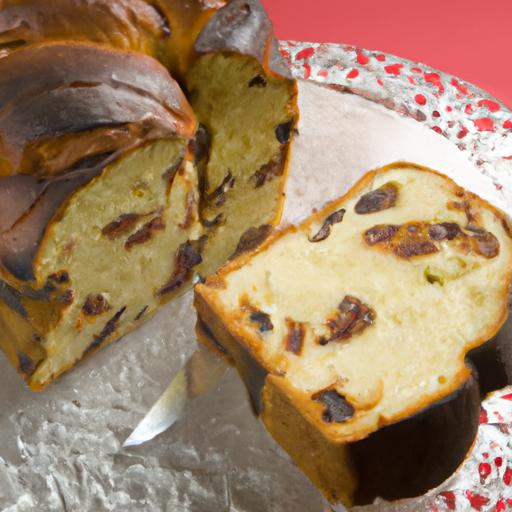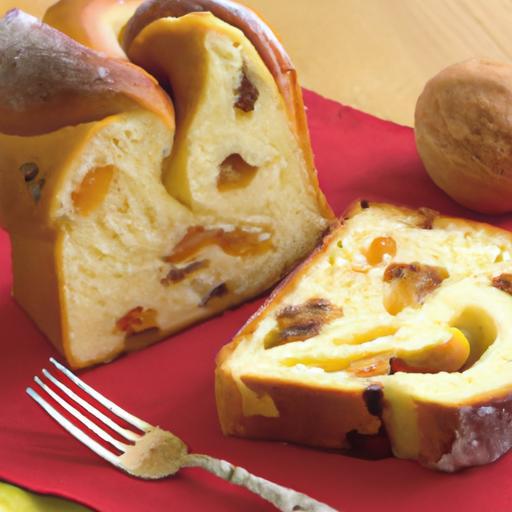
Nestled within the heart of Slovenian culture lies a culinary treasure that has delighted taste buds for generations-Potica. This iconic rolled pastry, rich with nuts, honey, and spices, is far more than just a dessert; it’s a sweet slice of tradition and flavor that tells a story of heritage, festivity, and craftsmanship. Whether served at festive gatherings or enjoyed as a comforting treat with a cup of coffee, Slovenian Potica embodies the warmth and ingenuity of a peopel passionate about preserving their roots through food. Join us as we unwrap the layers of this delicate pastry, exploring its history, variations, and the timeless charm that makes Potica a beloved symbol of slovenian identity.
Slovenian Potica is a beloved customary dessert that carries generations of culture, warmth, and festivity within its rolled layers. This cherished pastry, originating in slovenia, is much more than a sweet treat-it’s a symbol of family gatherings, celebrations, and the art of slow, thoughtful baking. Known for its thin, tender dough enveloping rich, nutty fillings, Slovenian potica enchants the senses with its profound aroma and intricate textures that vary from region too region. Whether shared at Christmas feasts or weddings, each bite tells a story that transcends time.
Prep and Cook Time
- Preparation: 45 minutes
- Resting/Dough rising: 2 to 3 hours
- Baking: 45 minutes
- Total Time: Approximately 4 hours 30 minutes
Yield
1 large potica loaf (serves 10-12 slices)
Difficulty Level
Medium – requires patience and attention to detail but highly rewarding
Ingredients
- For the Dough:
- 3 ½ cups all-purpose flour, sifted
- ¼ cup granulated sugar
- 1 packet (7g) active dry yeast
- ¾ cup warm whole milk (110°F/43°C)
- 3 large eggs, beaten
- 7 tbsp unsalted butter, melted
- 1 tsp salt
- For the Classic Walnut Filling:
- 2 cups ground walnuts (preferably fresh, finely ground)
- ½ cup sugar
- 1 cup whole milk
- 2 tbsp unsalted butter
- 1 tsp vanilla extract
- Zest of 1 lemon
- 2 tbsp honey
- Optional: 2 tbsp rum or rum extract for depth
Instructions
- Activate the yeast: In a small bowl, combine the warm milk, 1 tablespoon sugar, and yeast. Stir gently and let sit for 10 minutes until frothy and bubbly.
- Prepare the dough: in a large mixing bowl, sift the flour and salt. Make a well in the center and add the beaten eggs, melted butter, remaining sugar, and yeast mixture. Knead by hand or with a stand mixer fitted with a dough hook until smooth and elastic (about 8-10 minutes). The dough should be soft but not sticky. If too sticky, add a little more flour, a tablespoon at a time.
- First proof: Cover the dough with a clean kitchen towel and let rise in a warm place for 1.5 to 2 hours,or until doubled in size.
- prepare the filling: In a small saucepan, warm the milk with butter, sugar, honey, and lemon zest over medium heat, stirring occasionally. Do not boil. Remove from heat and stir in ground walnuts, vanilla extract, and rum if using. Mix until smooth. Let cool to room temperature.
- Roll out the dough: Once risen, gently punch down the dough on a floured surface. Roll it out into a thin rectangle (about 12 x 18 inches). Aim for paper-thin but not tearing-this thinness creates the signature delicate layers of potica.
- Spread the filling: Evenly spread the walnut mixture over the entire surface, leaving a small border around the edges.
- Roll and shape: Starting from the longer side, carefully roll the dough tightly into a log, sealing the edges gently to prevent filling leakage.
- Second proof: Place the roll seam-side down into a well-greased cylindrical baking pan or traditional potica pan. Cover and let rise for another 30-45 minutes until puffy.
- Bake: Preheat the oven to 350°F (175°C). Brush the top with melted butter. Bake for 40-45 minutes, turning halfway for even browning if possible. The potica should be golden brown and cooked through but moist inside.
- Cool and rest: Let the baked potica cool warm in the pan for 10 minutes, then transfer to a wire rack. For best flavor and texture, wrap it and let rest overnight before slicing.
Tips for Success
- Dough elasticity: Kneading well develops gluten, essential for the dough’s stretch and thin rolling ability.
- Rolling thinly: Aim for around 2mm thickness.Use a light hand and lift the dough frequently to prevent sticking.
- Fillings variation: Beyond walnut, try poppy seed, tarragon-herb, or honey-ricotta blends for regional twists.
- Make ahead: Potica tastes even better the next day as flavors meld. store tightly wrapped at room temperature.
- Pan choice: Traditional potica pans add authenticity but any deep loaf pan works well.
Serving Suggestions
Slice potica into neat rounds revealing the swirling layers of dough and filling. Serve slightly warm or at room temperature.Garnish with a dusting of powdered sugar, a few whole toasted walnuts, or a drizzle of honey to enhance sweetness and presentation. Pair with a robust black coffee, a lightly sweetened herbal tea, or a glass of full-bodied dessert wine such as Tokaji for an authentic Slovenian experience. For festive occasions, serve alongside fresh cream or a dollop of clotted cream to elevate the comforting flavors.

| Nutrient | per Serving (1 slice) |
|---|---|
| Calories | 290 kcal |
| Protein | 6 g |
| Carbohydrates | 38 g |
| Fat | 12 g |
For those eager to dive deeper into traditional European pastries, discover more about the variety of pastries from Slovenia and beyond. And to learn more about the rich history and culinary heritage of Slovenia, visit the official Slovenian tourism site.
Q&A
Q&A: Slovenian Potica – A Sweet Slice of Tradition and Flavor
Q: What is Slovenian Potica?
A: Slovenian Potica is a traditional rolled pastry, beloved for its tender dough wrapped around a rich, flavorful filling. Often enjoyed during holidays and special occasions, it’s a symbol of Slovenian heritage and culinary artistry.
Q: How does Potica look and taste?
A: Picture a golden-brown spiral cake, each slice revealing swirls of nutty, sweet, or even savory filling. The taste ranges from honeyed walnut richness to hints of cinnamon, raisins, or poppy seeds-each bite a mosaic of texture and warmth.
Q: What makes Potica so special in Slovenian culture?
A: Potica is more than dessert; it’s a culinary heirloom passed through generations. Baking potica is a family event, embodying tradition, love, and the Slovenian spirit of togetherness. It’s served during Christmas, Easter, weddings, and othre celebrations, marking moments of joy and connection.
Q: What ingredients are typically used in Potica?
A: The foundation is a soft, yeasted dough enriched with butter and eggs. Popular fillings include ground walnuts mixed with sugar and cream, poppy seeds blended with honey, tarragon, or even savory mixtures like cottage cheese and herbs. Each recipe tells its own story.
Q: How is traditional Potica prepared?
A: Preparing potica is an art: the dough is rolled out ultra-thin, spread evenly with filling, then carefully rolled into a tight log and baked until golden. The process demands patience and skill-qualities mirrored in every slice’s flawless spiral.
Q: Can you enjoy Potica beyond Slovenia?
A: absolutely! Slovenian communities worldwide proudly share potica, and it’s gaining international fans eager to taste its unique blend of sweet, nutty flavors and tender texture. Whether at ethnic festivals or cozy gatherings, potica bridges cultures through a shared love of tradition.
Q: Any tips for someone attempting Potica at home?
A: Embrace the process with patience, savor the aromas, and don’t rush the rolling. Use quality nuts and fresh ingredients for the filling, and give the dough enough time to rise. Remember,imperfections only add character to this lovingly crafted slice of Slovenian history.
Q: Why should food lovers try Slovenian Potica?
A: Because potica isn’t just a pastry-it’s a delicious journey through Slovenia’s rich culinary landscape, a sweet slice of culture, and a timeless recipe that warms both heart and palate.One taste, and you’re hooked on tradition.
In Retrospect
as the final bite of Slovenian potica melts away, what remains is more than just the lingering sweetness-it’s a connection to centuries-old traditions, a celebration of craftsmanship, and a heartfelt nod to the gatherings that bring people together. This beloved pastry is not merely a dessert; it’s a flavorful story rolled into every delicate swirl, a slice of Slovenia’s rich cultural tapestry. Whether shared during festive holidays or enjoyed as a simple treat, potica invites us all to savor the warmth of heritage, one sweet slice at a time.