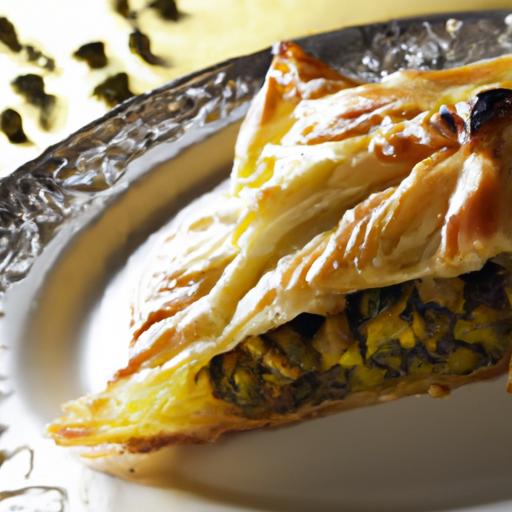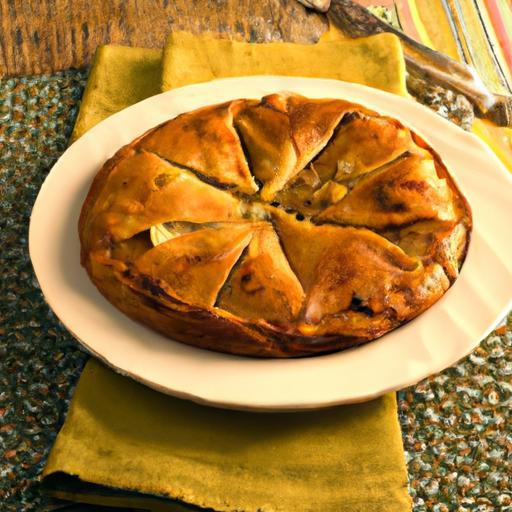
In the vibrant tapestry of Moroccan cuisine, few dishes capture the imagination quite like Bastilla-a culinary masterpiece where sweet meets savory in a perfect, flaky embrace.This iconic pie, wrapped in delicate layers of warqa pastry and filled with a harmonious blend of spiced meat, almonds, and fragrant cinnamon, tells a story of history and heritage with every bite. More than just a meal, Bastilla is a celebration of contrasts, weaving together unexpected flavors that delight the senses and invite food lovers on an enchanting journey through Morocco’s rich gastronomic traditions. join us as we explore the origins, ingredients, and irresistible charm of this delightful dish that continues to captivate palates around the world.
Moroccan Bastilla is an enchanting culinary treasure that perfectly encapsulates the intricate dance between sweet and savory flavors. This iconic Moroccan pie, originally crafted for royal feasts, offers a fragrant blend of spiced meat, toasted almonds, and delicate phyllo crust dusted with cinnamon and powdered sugar. Its origins trace back centuries, rooted in Andalusian influence and refined through Moroccan tradition, making it a dazzling centerpiece that tells a story with every bite. Preparing this dish is not only a culinary adventure but also a journey through history and culture, inviting you to savor complex layers both in flavor and heritage.
Prep and Cook Time
- Preparation: 45 minutes
- Cooking: 1 hour 15 minutes
- Total Time: 2 hours
Yield
Serves 8 generous portions
Difficulty Level
Advanced - Requires patience and layering finesse but delivers incredible reward
Ingredients
- 500g chicken thighs, boneless and skinless
- 1 large onion, finely chopped
- 3 cloves garlic, minced
- 1 tsp ground cinnamon
- 1 tsp ground ginger
- 1/2 tsp ground turmeric
- 1/2 tsp saffron threads, soaked in 2 tbsp warm water
- 1 tsp black pepper
- 1 tsp salt, to taste
- 3 tbsp olive oil
- 100g blanched almonds, toasted and chopped
- 3 tbsp granulated sugar
- 6 sheets of warqa or phyllo dough
- 4 tbsp melted butter, for brushing
- 1 cup powdered sugar, for dusting
- 1 tbsp ground cinnamon, for dusting
- 1 egg, beaten (for sealing and brushing)
Instructions
- Cook the chicken: In a large pot, heat 3 tablespoons olive oil over medium heat. Add the chopped onion and garlic, sautéing until translucent and fragrant, about 5 minutes.
- Add the chicken thighs to the pot and brown on all sides, roughly 7 minutes.
- Spice it up: Incorporate cinnamon, ginger, turmeric, saffron with its water, black pepper, and salt. Stir to coat chicken evenly.
- Pour in 2 cups of water and bring to a simmer. Cover and cook for 45 minutes, until the meat is tender and shreds easily.
- Shred the chicken: Remove chicken thighs and shred finely. Reserve the cooking liquid.
- Reduce the sauce: Return the reserved liquid to high heat, reduce to a thick glaze (about 10 minutes), then mix into shredded chicken ensuring the mixture is moist but not soupy.
- Prepare almonds: Toast almonds in a dry skillet over medium heat until golden,about 5 minutes. Chop finely and mix with 3 tablespoons sugar and 1 teaspoon cinnamon to create a sweet crunchy filling.
- Assemble the Bastilla: Preheat oven to 375°F (190°C). In a deep 9-inch round baking dish, layer one sheet of butter-brushed warqa or phyllo dough. Repeat layering, brushing each sheet with melted butter, until you have 4 layers.
- Spread half the chicken mixture evenly on the dough base. Sprinkle half the almond mixture over the chicken. Add the remaining chicken and almond layers to build a stacked, flavorful filling.
- Cover with the remaining 2 sheets of buttered dough, folding edges neatly to seal. Brush the top with beaten egg to promote golden browning.
- Bake: Place dish in the oven and bake for 40 to 50 minutes, until the pastry is crisp and golden brown.
- Finish and serve: Remove from oven and let cool slightly. Generously dust the top with powdered sugar and cinnamon. Slice into wedges and serve warm for best flavor contrast.
Chef’s Notes and Tips for Success
- Warqa vs Phyllo: Authentic bastilla uses warqa dough, thinner and more delicate than phyllo. If unavailable, phyllo sheets work well but handle gently to prevent tearing.
- Sweet and Savory Balance: don’t shy away from the powdered sugar topping; the sweet finish highlights the spiced meat filling beautifully.
- Make-ahead: Prepare the filling one day ahead and refrigerate to allow flavors to meld. Assemble and bake on serving day for optimal freshness.
- Variations: Swap chicken for pigeon or use seafood for a unique twist, maintaining the same layering and spice profile.
- Prevent sogginess: Ensure the chicken filling is not too wet. Reduce cooking liquid thoroughly before assembling to maintain crisp layers.
serving Suggestions
This dish shines as a show-stopping starter or a festive main course. Serve slices on a large sharing platter garnished with fresh mint leaves and pomegranate seeds for a pop of color and freshness.Pair alongside a citrusy Moroccan salad or spiced lentil soup to round out the meal. For beverages, a crisp white wine or traditional Moroccan mint tea provides a refreshing contrast to the rich, warm spices.

| Nutrition per serving | Calories | Protein | Carbs | Fat |
|---|---|---|---|---|
| Moroccan Bastilla | 420 kcal | 32 g | 30 g | 18 g |
For more delightful moroccan recipes, explore our Moroccan Couscous guide, or deepen yoru cultural culinary journey at Britannica on Bastilla.
Q&A
Q&A: Moroccan Bastilla – A Delightful Blend of Sweet & Savory
Q1: What exactly is Moroccan Bastilla?
A1: Moroccan Bastilla (also spelled pastilla or b’stilla) is a magnificent Moroccan pie that masterfully combines sweet and savory flavors. Traditionally, it’s a flaky pastry filled with tender spiced meat-usually pigeon or chicken-infused with almonds, cinnamon, and a touch of sugar. The result? A mouthwatering harmony of crunchy, sweet, and savory in every bite.Q2: Where does Bastilla come from?
A2: Bastilla has deep roots in Moroccan culinary heritage,with influences from Andalusian kitchens dating back centuries. It was once considered a festive dish served at grand occasions like weddings and religious celebrations. Today, it holds a cherished place on tables across Morocco, symbolizing hospitality and rich tradition.
Q3: What makes Bastilla’s flavor profile so unique?
A3: The magic lies in its unexpected marriage of flavors. Imagine a crispy, golden filo or warqa pastry shell coating a luscious, fragrant filling of spiced meat simmered with onions, infused with cinnamon and saffron, layered with crunchy roasted almonds and a dusting of powdered sugar and cinnamon on top. This interplay of spicy, savory, nutty, and sweet creates an unforgettable taste experience.
Q4: Is Bastilla only made with pigeon meat?
A4: While the original recipe calls for squab (young pigeon),modern variations often use chicken,seafood like shrimp,or even vegetarian alternatives to suit different tastes. Chicken bastilla is especially popular for its accessibility, but the hallmark spices and layering techniques remain the same.
Q5: How is Bastilla typically prepared?
A5: Preparing bastilla is both an art and a labor of love. The process involves slow-cooking the meat with a fragrant blend of spices, onions, and broth until tender. Then, shredded meat is mixed with toasted almonds and eggs cooked into a creamy filling. The mixture is carefully layered inside thin pastry sheets, folded neatly, brushed with butter or oil, and baked until crisp and golden.it’s finished with a sprinkle of powdered sugar and cinnamon-a signature look and taste.
Q6: Can Bastilla be served as a main dish or appetizer?
A6: Absolutely! Though it’s quite rich and substantial, Bastilla can be sliced into small pieces and served as an elegant appetizer during festive dinners. Alternatively, it makes a satisfying main course when paired with a simple green salad or harira soup.
Q7: Why is bastilla considered a symbol of Moroccan cuisine?
A7: Bastilla beautifully showcases Morocco’s culinary ethos-bold flavors united with elegant techniques, and the enchanting blend of cultures across centuries. It’s a dish that surprises and delights, embodying the warmth, creativity, and generosity that define Moroccan cooking.
Q8: Where can I try authentic moroccan Bastilla?
A8: The best place to savor authentic Bastilla is in Morocco itself-especially in Marrakech, Fes, or casablanca, where traditional cooks keep the recipe alive. For outsiders, many Moroccan restaurants worldwide offer Bastilla on their menus. For adventurous cooks,making Bastilla at home is a rewarding way to bring a piece of Moroccan culture to your own table.
In essence, Moroccan Bastilla is not just a dish - it’s a flavorful narrative of history, culture, and culinary ingenuity, wrapped in a golden, crisp embrace of sweet and savory bliss.
The Conclusion
In the rich mosaic of Moroccan cuisine, Bastilla stands out as a testament to the art of balancing contrasting flavors-a delicate dance between sweet and savory that captivates the palate and tells a story of cultural heritage. Whether enjoyed during festive gatherings or as a special treat, this flaky, aromatic pie invites food lovers to experience a unique fusion that transcends ordinary dining. Embracing Bastilla is more than savoring a dish; it’s stepping into a flavorful journey where tradition meets innovation, offering a taste of Morocco’s vibrant culinary soul that lingers long after the last bite.