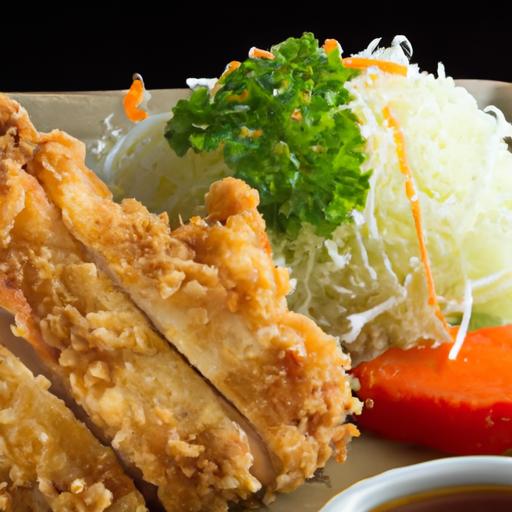
In the vibrant world of Asian cuisine, few dishes capture the perfect harmony of crunch and flavor quite like katsu. This beloved culinary treasure, with its golden, crispy exterior and tender, savory interior, has charmed taste buds across the globe. “Crispy Adventures: exploring Delectable Asian Katsu Recipes” invites you on a mouthwatering journey through the rich traditions and inventive twists behind this iconic dish. From the classic Japanese tonkatsu to fusion creations that blend cultural flavors, discover how simple ingredients transform into a crispy masterpiece that’s as delightful to make as it is to devour. Whether you’re a seasoned foodie or a curious kitchen explorer, get ready to dive fork-first into a world where crunch meets crave-worthy in every bite.
Crispy Adventures: Exploring Delectable Asian katsu Recipes unlocks the secrets to achieving that exquisite balance of crunchy exterior and juicy, tender interior that defines a truly unforgettable katsu experience. Originating in Japan, katsu has traveled far beyond its roots, inviting endless creativity while honoring its comforting simplicity. From the first crackle as the fork breaks through the golden crust to the savory richness within, mastering katsu’s texture and flavor is both an art and a joyous culinary journey.
Prep and Cook Time
- Preparation: 20 minutes
- Cooking: 15 minutes
- Total Time: 35 minutes
Yield
Serves 4 generous portions
Difficulty Level
Medium – Perfect for home cooks ready to sharpen their frying skills
Ingredients
- 4 boneless pork loin chops (about ½ inch thick, trimmed)
- 1 cup all-purpose flour, sifted
- 2 large eggs, beaten
- 1 ½ cups panko breadcrumbs (Japanese-style breadcrumbs for ultimate crunch)
- Salt and freshly ground black pepper, to taste
- Vegetable oil, for deep frying (about 2 inches deep)
- Katsu sauce (store-bought or homemade, see notes)
- Shredded cabbage, thinly sliced for serving
- Lemon wedges, for garnish
Instructions
- Prepare the pork: Lightly pound each pork chop with a meat mallet or rolling pin to an even thickness of about ¼ inch. Season both sides with salt and freshly ground black pepper.
- Set up breading stations: Place the flour in one shallow dish, the beaten eggs in a second, and the panko breadcrumbs in a third.
- Dredge each pork chop: First coat with flour, shaking off excess. Dip into the beaten eggs, letting excess drip off, than gently press into the panko breadcrumbs to coat evenly. For extra crispiness, double coat by repeating egg and panko steps.
- Heat the oil: In a large, heavy-bottomed skillet or deep fryer, heat vegetable oil to 350°F (175°C). Use a thermometer for precision to ensure the optimal frying temperature.
- Fry the katsu: Carefully lower each breaded chop into the hot oil. Fry in batches if necessary to avoid crowding. Cook for 4-5 minutes per side or until golden brown and cooked through, flipping once. Maintain consistent oil temperature by adjusting heat as needed.
- drain and rest: Transfer fried chops to a wire rack set over a baking sheet or paper towels to drain excess oil. Rest for 5 minutes to lock in juiciness.
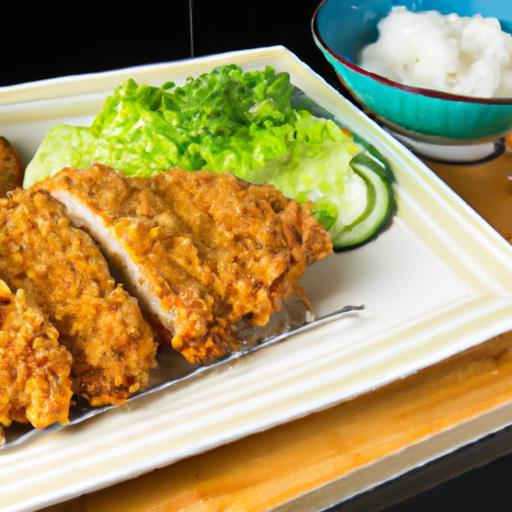
- Slice and serve: Slice katsu into strips and arrange over a bed of shredded cabbage. Serve with a drizzle of rich katsu sauce and a wedge of lemon for bright contrast.
tips for Success
- Use panko breadcrumbs exclusively for that signature airy crunch; conventional breadcrumbs tend to yield a denser crust.
- Maintain a steady oil temperature; too low → greasy texture, too high → burnt crust.
- For chicken or vegetable variations, adjust cooking times accordingly to ensure tenderness without drying out.
- Try adding a dash of wasabi mayo or swapping traditional katsu sauce for a sweet-spicy tamarind glaze for a refreshing regional twist.
- Make your katsu ahead, then briefly reheat in a 350°F oven for 5 minutes to regain crispness without drying.
Serving Suggestions
Present your katsu atop finely shredded cabbage tossed lightly with rice vinegar to cut through the richness. Sprinkle toasted sesame seeds and chopped scallions for added texture and aroma. Accompany with steamed jasmine rice or fluffy Japanese short-grain rice,and a small dish of pickled ginger or daikon radish to elevate flavors. Experiment with dipping sauces such as spicy Korean gochujang mayo or tangy thai sweet chili to bring in exciting global influences that complement the crunchy delight.

| Nutrient | Amount per Serving |
|---|---|
| Calories | 480 kcal |
| Protein | 35 g |
| Carbohydrates | 30 g |
| Fat | 22 g |
Regional Flavors and Innovative Twists
Elevate your katsu by embracing regional Asian flavors – imagine a tangy vietnamese nuoc cham drizzle or a robust Malaysian curry sauce weaving cultural stories into each bite. Swap out pork for succulent tempura-style shrimp or hearty eggplant for a vegetarian delight. To refresh the classic recipe, incorporate funky fermented ingredients like miso or yuzu kosho into your marinade or batter, igniting vibrant umami notes. The realm of katsu offers endless creative culinary adventures within Asian cuisine, making every plate a celebration.
For further inspiration, explore the authoritative depth on Japanese cooking techniques at Just Hungry, a treasure trove of authentic tips and recipes.
Q&A
Q&A: Crispy Adventures – Exploring Delectable Asian Katsu Recipes
Q1: What exactly is katsu, and why has it become such a beloved dish in Asian cuisine?
A: At its core, katsu is all about the perfect marriage of crispy and tender. Originating from Japan, katsu refers to breaded and deep-fried cutlets, usually made with pork (tonkatsu) or chicken (chicken katsu). The golden crust encases juicy meat, creating a textural contrast that delights the palate. Its rise to popularity is no accident-it’s comfort food elevated, combining simplicity with satisfying crunch and rich flavor.Beyond Japan, katsu has inspired variations across Asia, making it a truly cross-cultural crispy adventure.
Q2: what are some key ingredients that set Asian katsu apart from other fried cutlets?
A: The magic lies in the humble breadcrumb called panko. Unlike traditional breadcrumbs, panko flakes are airy and light, which means when fried, they produce a crackling crust that’s both crisp and less greasy. The cutlets are typically dipped in flour, then beaten egg, and finally coated with panko before frying. this process, along with the specific blend of sauces served alongside-like tonkatsu sauce, a sweet-savory concoction-gives katsu its signature punch. Freshness of the meat and frying technique are equally crucial to achieving that perfect bite.
Q3: Can katsu be made with ingredients other than pork or chicken?
A: Absolutely! While pork and chicken remain classics, katsu’s versatility opens doors to a plethora of creative explorations. Fish katsu, using firm white fish like cod or snapper, brings a lighter, oceanic note to the table.Vegetarian and vegan katsu recipes frequently enough use eggplant, tofu, or even mushrooms, offering equally luscious textures and flavors when coated and fried to golden perfection. Exploring these alternatives lets you tailor crispy adventures to your taste and dietary needs.
Q4: how does katsu fit into a typical meal, and what are some traditional accompaniments?
A: Katsu is more than just a cutlet-it’s frequently enough the star of a hearty, well-rounded meal.Traditionally, it’s served over steamed white rice or alongside fluffy Japanese curry for a comforting duo.A crisp cabbage salad, dressed lightly in a tangy vinaigrette, provides a refreshing counterpoint that cuts through the richness. Miso soup is another staple on the side, grounding the meal with warm umami notes. Together, these elements create a harmonious balance of textures and flavors.
Q5: What tips do you recommend for home cooks wanting to master katsu?
A: Start with quality cuts of meat or your chosen substitute-thinner slices cook more evenly and stay juicy. Pat them dry to help the coating stick better. When dredging, shake off excess flour and egg to avoid sogginess. don’t overcrowd the pan; frying in smaller batches ensures the oil temperature stays steady and yields crisp results.Use a thermometer if you can-aim for oil around 340-350°F (170-175°C). drain the cooked katsu on wire racks or paper towels quickly, and serve instantly for the ultimate crunch.
Q6: Are there any exciting modern twists on traditional katsu that food enthusiasts are exploring?
A: Definitely! Innovators are experimenting with fusion flavors by incorporating spices and herbs into the panko crust-think curry powder,sesame seeds,or shichimi togarashi for a fiery kick.Katsu sandwiches,or katsu sando,have surged in popularity worldwide,layering the cutlet with tangy mayo and crisp greens between fluffy white bread. Some chefs even pair katsu with unexpected sauces-like spicy mayo, tangy ponzu, or creamy avocado-to refresh classic tastes. These modern spins invite everyone to join in the crispy adventure with renewed excitement.
Feel free to embark on your own crispy journey-katsu awaits with endless delicious possibilities!
In Retrospect
As we wrap up our crispy adventures through the world of Asian katsu, it’s clear that these golden, crunchy delights offer more than just a satisfying crunch-they embody a rich tapestry of flavors and cultural traditions waiting to be explored.Whether you’re a seasoned cook or a curious foodie, experimenting with katsu recipes opens the door to endless variations, from classic pork and chicken to daring twists with seafood or vegetables. So grab your frying pan, gather your favorite ingredients, and embark on your own flavorful journey.With each crispy bite, you’re not just tasting a dish-you’re savoring a delicious piece of culinary history, reinvented and ready to delight your palate time and time again.