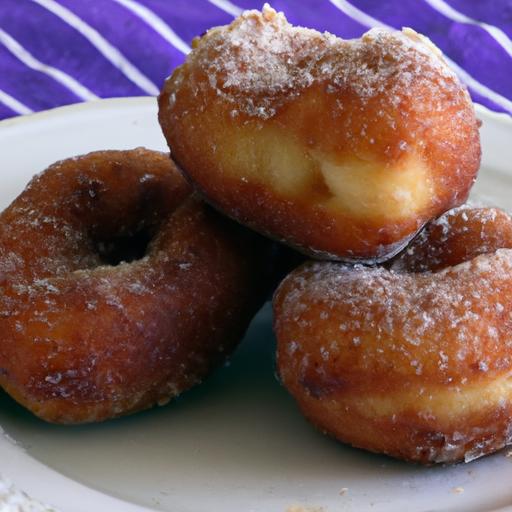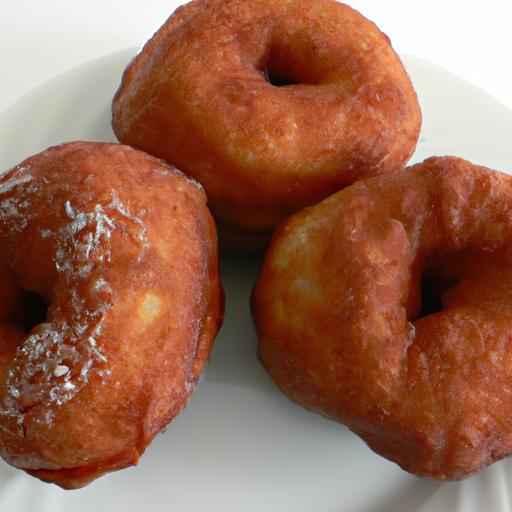
In the heart of the Balkans, where rich culinary traditions intertwine wiht warm family gatherings, a sweet treasure has been delighting taste buds for generations: Serbian krofne.These delightful doughnuts, golden and pillowy, carry more than just sugar dusting-they carry stories of festivity, nostalgia, and the simple joy of homemade indulgence. Whether enjoyed fresh from the oven or filled with luscious jams and creams, krofne are a beloved staple that invite you to take a delicious journey into Serbia’s vibrant kitchen culture. Join us as we explore the origins, flavors, and irresistible charm behind these enchanting balkan treats.
Origins and Cultural Importance of serbian Krofne
Serbian Krofne have long been a beloved sweet treat that embodies the warmth and spirit of Balkan kitchens. Rooted in centuries of tradition, these fluffy doughnuts offer more than just delightful flavors-they are a symbol of hospitality and celebration. In Serbian culture, Krofne are often served during holidays, family gatherings, and festive occasions, connecting generations through shared recipes and joyful memories.Each bite tells a story of the region’s rich history, where Ottoman influences blended with local ingredients to create a uniquely Balkan pastry.
The making of these doughnuts is often a communal activity, with families gathering to prepare and savor them fresh from the fryer. Their cultural importance extends beyond Serbia’s borders, as Croatian, Bosnian, and Montenegrin variants highlight the shared culinary heritage of the Balkans. the inviting aroma of freshly fried Serbian Krofne filling the kitchen is synonymous with comfort and celebration.
Traditional Ingredients and Authentic Planning Techniques
Creating authentic Serbian Krofne starts with a few simple, traditional ingredients that combine to form a tender, airy dough. The primary components include all-purpose flour, fresh yeast, milk, sugar, eggs, and butter, blended carefully to achieve the perfect rise and softness. Milk is gently warmed to activate the yeast, which is a crucial step for that signature fluffiness. The dough is then left to rise slowly, allowing it to develop a delicate texture and subtle sweetness.
One hallmark of Serbian Krofne lies in the gentle kneading and the patient proofing process, typically done twice to ensure optimum rise. Once the dough has doubled, its rolled out to a certain thickness and cut into rounds, often using a glass or cutter, before frying in hot vegetable oil until golden and puffed. This traditional technique yields doughnuts with a tender crumb and irresistible lightness, distinct from heavier, denser fried pastries found elsewhere.
Flavor Variations and Popular Fillings Across the Balkans
While the classic Serbian Krofne are traditionally dusted with powdered sugar or rolled in granulated sugar right after frying,numerous delightful fillings have become popular throughout the Balkans. Jam varieties-especially apricot, plum, and cherry preserves-are classic favorites that add a tangy sweetness inside the doughnut. for those craving a richer indulgence, vanilla custard (vanilla krem) or chocolate cream fillings elevate the pastry to a dessert worthy of any celebration.
Some regional variations also include fillings such as walnut or poppy seed mixtures, reflecting Balkan culinary influences and seasonal preferences. For a slightly modern twist, ingredients like ricotta with citrus zest or honey-sweetened cream cheese add freshness and depth to the traditional doughnut, while still honoring its cultural roots.
Expert tips for Perfectly Fluffy and Golden Krofne Every Time
Achieving that coveted texture and appearance requires attention to detail and a few expert techniques. First, always use fresh yeast and ensure it’s fully activated in warm milk-ideally around 38°C (100°F)-not too hot to kill the yeast or too cool to hinder its action. Knead the dough gently yet thoroughly and allow it to rise in a warm, draft-free environment until it doubles in size.
When cutting the dough, opt for a sharp cutter and avoid twisting it; a clean, straight cut helps the krofne rise evenly and prevents sealing issues. Heat the oil to approximately 175°C (350°F) for frying; this temperature ensures the doughnuts cook evenly-golden on the outside, light and fluffy inside-without absorbing excess oil.
Drain them on paper towels instantly after frying, and while still warm, toss them in sugar or dust with powdered sugar for that classic finish. If filling,wait until they cool slightly to prevent burning or melting the filling. experiment gently with proofing times and oil temperature to find your kitchen’s perfect balance-for bakery-quality Serbian Krofne right at home.
prep and Cook Time
- Preparation: 25 minutes
- Rising Time: 1 hour 30 minutes (two rises)
- Frying: 15 minutes
- Total Time: Approximately 2 hours 10 minutes
Yield
Makes approximately 12-14 krofne, depending on size.
Difficulty Level
Medium – Requires yeast handling and frying technique but approachable with detailed steps.
Ingredients
- 3 ½ cups (440g) all-purpose flour, sifted
- 1 cup (240ml) whole milk, warmed (approx. 38°C / 100°F)
- 25g fresh yeast (or 2 ½ tsp active dry yeast)
- ½ cup (100g) granulated sugar
- 3 large eggs, room temperature
- 80g unsalted butter, melted and cooled
- 1 tsp vanilla extract
- Pinch of salt
- Vegetable oil for frying (sunflower or canola work best)
- Powdered sugar for dusting
- Optional fillings: apricot jam, vanilla custard, chocolate cream
Instructions
- Activate yeast: In a small bowl, dissolve the fresh yeast and 1 tsp sugar in warm milk. Let it sit 8-10 minutes until foamy and bubbly, indicating it’s active.
- mix dry ingredients: In a large mixing bowl, whisk together sifted flour, remaining sugar, and salt.
- Combine wet ingredients: Beat the eggs lightly, then add vanilla extract and melted butter.
- Form the dough: make a well in the flour mixture. Pour in the yeast mixture and the egg/butter blend. Stir gently with a wooden spoon or dough hook until a sticky dough forms.
- Knead: Transfer dough to a floured surface and knead for about 10 minutes until smooth and elastic. Add small amounts of flour if too sticky but keep dough soft.
- First rise: Place dough in a lightly oiled bowl, cover with clean towel or plastic wrap, and let it rise in a warm place until doubled in size, about 1 hour.
- Shape krofne: Punch down dough, roll out to approximately 1 cm (½ inch) thickness. Use a 3-inch round cutter to cut dough circles.
- second rise: Arrange rounds on a floured tray and cover loosely. Let them rise another 20-30 minutes until slightly puffed.
- Heat oil: In a deep pot, heat vegetable oil to 175°C (350°F). Use a kitchen thermometer for accuracy.
- Fry doughnuts: Fry krofne in batches, 2-3 at a time, turning gently until golden brown on both sides (about 2 minutes per side). Avoid overcrowding to maintain temperature.
- Drain and cool: Remove with slotted spoon, drain on paper towels.
- Coat or fill: While warm, dust with powdered sugar or granulated sugar. If filling, let them cool slightly, then pipe in your preferred jam or custard.
Tips for Success
- Yeast freshness: Always check yeast expiration. Use fresh yeast for best rise and flavor.
- Temperature control: maintain oil temperature precisely; too low makes krofne greasy, too high browns exterior prematurely.
- Filling variations: For no-mess injecting, use a pastry bag fitted with a small round tip or a filling syringe.
- Make-ahead: Prepare dough the day before and refrigerate overnight after the first rise. Before frying, allow dough to warm and rise 30 minutes at room temperature.
- For dairy-free option: Substitute milk with almond or oat milk and butter with coconut oil, adjusting flavor as needed.
Serving Suggestions
Serve these luscious doughnuts warm, piled on charming ceramic plates dusted with powdered sugar. Pair with freshly brewed black coffee or intense dark tea for an authentic Balkan café experience. Garnish with a few fresh berries or mint leaves for a splash of color. For extra indulgence, drizzle with a homemade vanilla glaze or melted dark chocolate. Serbian krofne also shine as a festive centerpiece during celebrations, inviting guests to delight in a sweet slice of Balkan tradition.

| Nutrient | Per Serving (1 Krofna) |
|---|---|
| Calories | 220 kcal |
| Protein | 5 g |
| carbohydrates | 28 g |
| fat | 9 g |
For more sweet Balkan treats, check out our balkan dessert recipe collection. To explore the engaging history of doughnuts worldwide,visit History.com’s doughnut History.
Q&A
Q&A: Serbian Krofne – Delightful Doughnuts from Balkan Kitchens
Q1: What exactly are Serbian Krofne?
A1: Serbian Krofne are soft, fluffy doughnuts that hold a cherished place in Balkan kitchens. Unlike many western doughnuts, these treats are traditionally homemade, frequently enough filled with jam, custard, or chocolate, and are dusted generously with powdered sugar. They’re a perfect blend of pillowy dough and sweet filling-comfort food that feels like a warm hug.Q2: How are Serbian Krofne different from other doughnuts?
A2: While they share similarities with many fried dough confections worldwide,Serbian Krofne stand out for their light,airy texture and their traditional fillings,such as apricot or plum jam,or velvety vanilla custard. They’re typically round with a hidden treasure inside, rather than having a hole in the middle, making every bite a surprise.
Q3: What ingredients go into making Serbian Krofne?
A3: The magic starts with standard pantry staples: flour, yeast, milk, sugar, eggs, and a splash of vanilla.Butter enriches the dough, creating a tender crumb. The dough is left to rise slowly, resulting in that signature fluffy texture. After frying, the krofne are filled and dusted with powdered sugar for that quintessential finishing touch.
Q4: Can Serbian Krofne be made gluten-free or vegan?
A4: Absolutely! While traditional recipes rely on wheat flour, creative bakers have successfully used gluten-free flour blends to craft krofne with a similar lightness. For a vegan twist, plant-based milks and egg substitutes like flax or chia seed gels can replace dairy and eggs without compromising the doughnut’s delicate texture.
Q5: When do Serbians typically enjoy Krofne?
A5: Krofne appear at celebratory moments and holidays but are equally beloved as an everyday treat with coffee or tea. They’re popular during carnival season before Lent, echoing the joyous spirit of indulgence, yet you might find them gracing breakfast tables or afternoon snack breaks any day of the year.
Q6: Are there any special techniques to perfecting Serbian Krofne?
A6: The secret lies in patience-allowing the dough to ferment and rise fully ensures a soft, airy crumb. Frying temperature is crucial; the oil should be hot enough to achieve a golden crust but gentle enough to cook the dough through without burning. Filling the krofne while still warm allows the creams or jams to settle luxuriously inside.
Q7: What fillings are most traditional or popular in Serbian Krofne?
A7: Classic choices include sweet plum jam, apricot preserves, and rich vanilla custard. Some bakers also experiment with chocolate or Nutella-like spreads,though the traditional fruity or creamy fillings remain a top favorite in Balkan households.
Q8: How can someone enjoy Serbian Krofne in their own kitchen?
A8: start with a generous spirit and a bit of practiced patience! Prepare your dough, let it rise, and fry with care. Fill your krofne with your favorite homemade jam or custard, and dust them heavily with powdered sugar. Enjoy them fresh and warm, paired with a comforting cup of tea or coffee for an authentic Balkan experience.
Q9: Do Serbian Krofne have any cultural or historical significance?
A9: Beyond their deliciousness, krofne embody the warmth and hospitality of Balkan families. They’re often associated with communal cooking and sharing-moments where generations gather in kitchens to prepare these sweet treasures together. This doughnut is more than a snack; it’s a bite of cultural heritage and tradition.
Enjoy these delightful bites of Serbia whenever you crave a touch of Balkan sweetness!
Concluding Remarks
As the sweet aroma of Serbian krofne wafts through kitchens across the Balkans, these delightful doughnuts continue to capture hearts-and taste buds-one fluffy bite at a time. More than just a pastry, krofne are a delicious testament to Serbia’s rich culinary heritage, blending simple ingredients with a touch of tradition and a sprinkle of joy. Whether enjoyed during festive gatherings or as an everyday treat, they invite us all to savor a moment of warmth and togetherness. So next time you’re yearning for a sweet escape, let the krofne lead you to the rich flavors and stories simmering within Balkan kitchens-becuase some delights are too good to resist.