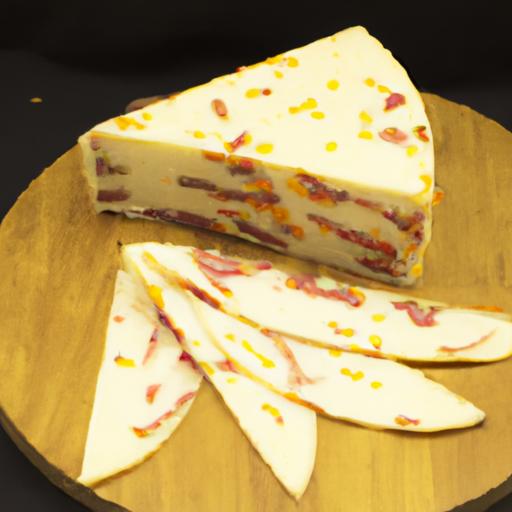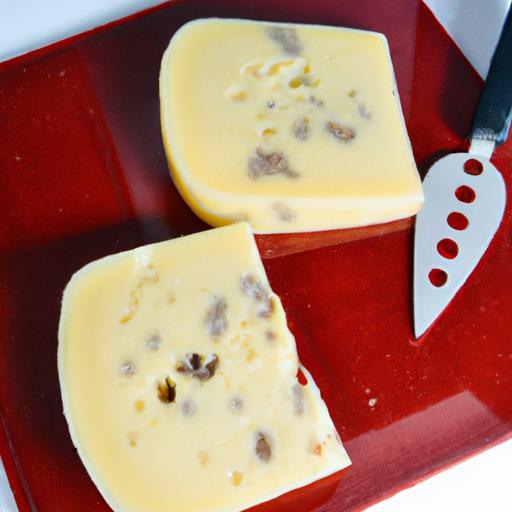
In a world were the carnivore diet is carving out its niche, meat takes center stage as the ultimate fuel for those seeking simplicity and primal nourishment. But what about cheese-the rich, creamy byproduct of dairy-does it earn a place at this protein-packed table? While the carnivore diet champions a meat-only mantra, cheese often sneaks in as a flavorful ally or occasional indulgence. This article explores the curious role dairy plays in meat-only meals, delving into how cheese fits into the carnivore lifestyle, its nutritional perks, and the delicate balance between purity and palate pleasure. Whether you’re a strict carnivore or a curious eater wondering if cheese belongs in your steak-filled world, join us as we unravel dairy’s debated yet delicious role in a meat-centric diet.
Cheese on a Carnivore Diet: dairy’s Role in meat-Only meals unveils a delightful synergy where rich, savory cheeses amplify the robust flavors of meat while delivering a potent nutritional boost. Bringing dairy into a meat-centric lifestyle isn’t just about taste-it’s about enhancing the nutrient density and creating satisfying textures that make carnivore eating even more rewarding.
Prep and Cook Time
- Planning: 10 minutes
- Cooking: 15 minutes
- Total Time: 25 minutes
Yield
serves 4 hearty portions
Difficulty Level
Easy to Medium – Perfect for those familiar with carnivore meal prep but approachable for beginners looking to experiment.
Ingredients
- 1 lb ribeye steak, trimmed and cut into 1-inch slices
- 4 oz aged cheddar cheese, sliced thinly
- 3 tbsp grass-fed butter
- 2 oz cream cheese, softened
- 1 tsp smoked sea salt
- Fresh cracked black pepper, to taste
- Optional garnish: fresh chives or microgreens
instructions
- Prepare the steak: Pat the ribeye slices dry with a paper towel to remove excess moisture, which helps with caramelization.
- Sear with butter: In a heavy skillet over medium-high heat, melt 2 tablespoons of grass-fed butter. Add the steak slices and sear each side for about 2-3 minutes, aiming for a perfect golden-brown crust without overcooking the interior.
- Season: Sprinkle smoked sea salt and cracked black pepper evenly over the steaks as they cook, infusing layers of smoky and peppery notes.
- Add cream cheese layer: Reduce heat to low. Dollop cream cheese atop each steak slice. Allow it to melt gently-this creamy addition balances the savory richness of the meat.
- Top with cheddar: Place thin slices of aged cheddar over the melted cream cheese. cover the skillet with a lid or foil for 2-3 minutes to melt the cheese without drying out the meat.
- Finish with butter: Add remaining 1 tablespoon of butter around the pan edges and baste the steaks, enhancing moisture and flavor.
- Rest and plate: Remove steaks from heat and let rest for 5 minutes. This seals in juices and allows flavors to meld. Garnish with fresh chives or microgreens for a pop of colour and subtle freshness.
Tips for Success
- Cheese selection: Opt for aged cheeses like cheddar, gouda, or parmesan for intense flavor without excess lactose, supporting carnivore tolerance.
- Butter quality matters: Choose grass-fed butter to maximize omega-3 fats and vitamins.
- Temperature control: Avoid high heat when melting cheese; gentle warmth prevents separation and keeps dairy silky.
- Adapt protein cuts: This method works excellently with ribeye but try it with bison or grass-fed beef for varied textures.
- Make-ahead: Prepare steaks up to step 4,refrigerate,then complete cheese melting just before serving to save time.
Serving Suggestions
Present these cheese-enriched steaks on a wooden board to highlight rustic carnivore elegance. Pair with a side of bone marrow or slow-roasted marrow butter to add indulgence and depth. Garnish with crisp microgreens or fresh herbs to add visual contrast and a mild herbal lift that complements the richness. Serve alongside a well-chilled sparkling water for palate cleansing and hydration.
| Nutrient | Per Serving |
|---|---|
| Calories | 620 kcal |
| Protein | 55g |
| Carbohydrates | 1g |
| Fat | 45g |

Discover more inspiration on pairing meat and dairy by exploring our article Best Sides for the Carnivore Diet. For scientific insights on dairy’s role in nutrition, visit the NIH’s Dairy and Human Health Study.
Q&A
Cheese on a Carnivore Diet: Dairy’s Role in Meat-Only Meals – Q&A
Q1: Can cheese really fit into a strict carnivore diet, which focuses on meat-only meals?
A1: Absolutely! While many imagine the carnivore diet as nothing but steaks and ribs, cheese can be a flavorful and nutrient-rich addition. As cheese is derived from animal milk, it aligns with the diet’s principle of consuming exclusively animal products. It adds variety, texture, and fats that complement meat dishes, broadening the carnivore’s culinary horizon without sacrificing diet integrity.
Q2: Does cheese compromise the purity of a carnivore diet by introducing dairy?
A2: It depends on how strictly one interprets the carnivore philosophy. Purists might avoid dairy altogether, focusing solely on muscle meats and organ meats. Though, many carnivore practitioners consider high-quality cheeses-especially hard, aged varieties made without additives-to be acceptable. After all, dairy is an animal product and fits the principle of zero plant-derived foods.
Q3: What nutritional benefits does cheese bring to a carnivore meal plan?
A3: Cheese is a powerhouse of fat, protein, calcium, and fat-soluble vitamins like A and K2, which support bone health and immune function. It also provides conjugated linoleic acid (CLA), a fatty acid linked to potential metabolic perks. In a diet often heavy on meat’s muscle tissue, cheese introduces useful nutrients found in animal milk that might otherwise be limited.
Q4: Are there particular types of cheese that are better suited for carnivore diets?
A4: Generally, simple, minimally processed cheeses are best. Hard cheeses like cheddar, parmesan, and aged gouda have lower lactose content, making them more digestible for many.Soft cheeses rich in fats and proteins, such as full-fat cream cheese or mozzarella, also work well. Avoid cheeses with herbs or non-animal additives to keep meals strictly carnivorous.
Q5: Can cheese cause digestive issues for people on a carnivore diet?
A5: For some, yes. Lactose intolerance or sensitivity to dairy proteins like casein can cause discomfort including bloating or diarrhea. However,aged cheeses typically have reduced lactose,diminishing this risk. It’s all about personal tolerance; some carnivores thrive on cheese, while others opt to eliminate it altogether for optimal digestion.Q6: How does cheese influence meal variety and satisfaction on an all-meat diet?
A6: Cheese adds depth and creaminess to the carnivore plate, enhancing satiety and sensory enjoyment. Imagine melting aged cheddar over grilled beef, or slicing fresh mozzarella alongside a seared steak. This textural and flavor contrast helps prevent dietary monotony, keeping meals exciting without stepping outside animal-based boundaries.
Q7: Does including cheese affect the metabolic or health goals of a carnivore diet?
A7: Cheese’s impact depends on an individual’s goals. Those aiming for weight maintenance or muscle gain may benefit from cheese’s calorie density and fat content. For individuals sensitive to dairy or managing inflammation, it might be wise to limit or avoid it.Ultimately, cheese is a flexible tool within the carnivore toolkit-use it in harmony with your body’s responses.
Q8: How can one incorporate cheese creatively into meat-only meals?
A8: Think beyond the slice! Crumble blue cheese atop grilled sirloin, stir cream cheese into ground beef for richness, or wrap thin cheese slices around meat cuts for an indulgent snack. Cheese can be gently melted, cubed, or even whipped into sauces to elevate carnivore dishes without introducing unwanted ingredients.
Cheese,often underrated in meat-centric eating,offers carnivore dieters a delicious gateway to nutritional diversity and culinary pleasure-proving that dairy can be a faithful companion on a carnivorous journey when chosen wisely.
Key Takeaways
As the final slice of this culinary exploration settles, it’s clear that cheese holds a unique, flavorful place within the carnivore diet’s meat-only realm. More than just a tasty companion to steak or a convenient snack between bites of beef, cheese brings depth-offering a balance of fats, proteins, and subtle nuances that can enrich a strictly animal-based table. While the carnivore diet champions the simplicity of meat, embracing dairy like cheese can add texture and variety without veering far from its core principles. so whether you melt it, crumble it, or savor it in its purest form, cheese is not merely an accessory-but a worthy player in the carnivore’s culinary symphony.