In the world of cooking, fire has long been the primal muse-its flickering flames transforming raw ingredients into culinary masterpieces. But what if we told you that the art of cooking stretches far beyond the conventional blaze of a flame? From the gentle embrace of earth ovens to the ethereal whisper of steam, unique cooking styles around the globe unlock flavors and textures that conventional heat alone cannot achieve. Join us as we embark on a sizzling journey beyond flames and flames, exploring innovative techniques that redefine how we create and savor food, revealing a world where imagination meets heat in the most unexpected-and tasty-ways.
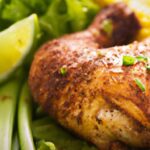
Beyond Flames and Flames: Exploring Unique Cooking Styles introduces a remarkable journey into the art of cooking where innovation meets tradition. One dish that exemplifies this fusion is the Smoked Citrus Herb Chicken with Charred Vegetable Medley,a recipe that embodies how natural elements like fire,smoke,and wood meet ancient techniques to elevate flavors in unexpected ways. Originating from a blend of Mediterranean rustic charm and indigenous smoking methods, this dish captures aromatic complexity balanced by bright citrus and smoky depth, transforming yoru home kitchen into a canvas of sensory delight.
Prep and Cook Time
- Prep Time: 30 minutes
- Marinate: 4 hours (preferably overnight)
- Cook Time: 45 minutes
- Total Time: 5 hours 15 minutes
Yield
Serves 4 elegantly plated portions
Difficulty Level
Medium – Requires moderate skills in managing heat and timing but approachable for home cooks eager to experiment.
Ingredients
- 4 boneless, skin-on chicken thighs, trimmed
- 1 medium lemon, zested and juiced
- 1 orange, zest only
- 3 cloves garlic, finely minced
- 2 tbsp fresh rosemary, chopped
- 2 tbsp fresh thyme, chopped
- 1 tsp smoked paprika
- 1/4 cup extra-virgin olive oil
- Salt and freshly ground black pepper, to taste
- 2 cups mixed vegetables (bell peppers, zucchini, cherry tomatoes), cut into large chunks
- 1 tbsp applewood chips (for smoking)
- Fresh parsley for garnish
Instructions
- Prepare the Marinade: In a medium bowl, combine lemon zest and juice, orange zest, minced garlic, chopped rosemary, thyme, smoked paprika, olive oil, salt, and pepper. Whisk until fully blended.
- Marinate the Chicken: Place chicken thighs in a resealable bag or shallow dish and pour marinade over them, ensuring even coverage. Seal and refrigerate for at least 4 hours or overnight for maximum flavor infusion.
- Preheat Your Grill or Smoker: Light your grill for indirect heat cooking or prepare your smoker to maintain a steady 275°F (135°C). Add soaked applewood chips for aromatic smoke.
- Char the Vegetables: Toss mixed vegetables in a drizzle of olive oil, salt, and pepper. Arrange on the grill grate and cook for 15 minutes, turning occasionally, until lightly charred but tender. Remove and set aside.
- Smoke the Chicken: Place marinated chicken on the cooler side of the grill for indirect heat. Smoke for 25-35 minutes or until internal temperature reaches 165°F (74°C), basting once with reserved marinade halfway through cooking. The smoke will impart a rich depth,balancing citrus brightness.
- Rest and Serve: Remove chicken from grill and let rest for 10 minutes to retain juices. Serve atop the charred vegetable medley, garnished with fresh parsley for a splash of color and freshness.
Tips for Success
- Marinate overnight: Enhances flavor penetration and tenderizes the chicken deeply, making each bite succulent.
- Control your smoke: Use only a small handful of applewood chips to avoid overpowering bitterness; light, fragrant smoke is key.
- Vegetable variations: Experiment with eggplant or asparagus for texture contrast and seasonal flair.
- Make ahead: Char vegetables can be prepared earlier and reheated gently; smoked chicken is best fresh but holds well in foil for 1 hour.
- Alternate cooking method: For indoor kitchens, use a stovetop smoker or oven with smoked sea salt for similar results.
Serving Suggestions
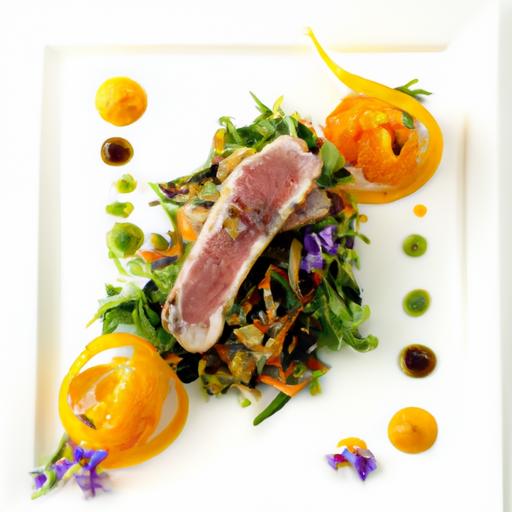
this dish shines plated on rustic ceramic ware to accentuate its earthiness.Pair with a side of herbed couscous or a light arugula salad dressed in lemon vinaigrette for balance.Garnish with extra citrus zest curls and fresh parsley leaves to add vibrant color and aromatic appeal. A drizzle of high-quality olive oil just before serving adds silkiness and highlights the herbs’ freshness.

| Nutrient | Per Serving |
|---|---|
| Calories | 380 kcal |
| Protein | 38 g |
| Carbohydrates | 12 g |
| Fat | 18 g |
For more inspiration on innovative flavor layering through fire and smoke, explore our Modern Smoke Infusions in Contemporary Cooking.To deepen your understanding of ancient smoking methods and their health benefits, visit this comprehensive guide by National Center for Home Food Preservation.
Q&A
Q&A: Beyond Flames and Flames - Exploring Unique Cooking Styles
Q1: What does the phrase “Beyond Flames and Flames” mean in the context of cooking?
A1: The phrase invites us to look past traditional open-flame grilling and fiery stovetop methods, diving into a spectrum of cooking styles that transform ingredients in unexpected ways. It highlights culinary techniques that surprise and delight beyond the usual sizzle and char.Q2: Which unique cooking methods are gaining popularity for their creativity and flavor depth?
A2: Techniques like fermentation, sous vide, salt baking, and smoking with unconventional woods are captivating chefs and home cooks alike. Fermentation unlocks sour and tangy dimensions, sous vide offers precision and tenderness, salt baking seals moisture and imparts subtle seasoning, while smoking with fruitwoods adds unexpected aroma layers.
Q3: how does sous vide differ from more traditional heat methods?
A3: Sous vide cooks food sealed in airtight bags immersed in temperature-controlled water. This precision ensures perfect doneness throughout without overcooking. Unlike open flame or stovetop, which subject food to uneven heat and risk of burning, sous vide gently coaxes out consistent texture and intense flavor.
Q4: Can you explain the art of fermentation and its meaning in cooking beyond pickles?
A4: Fermentation is an ancient technique where beneficial bacteria transform sugars into flavorful acids and gases,boosting complexity. Beyond pickles, fermentation creates everything from creamy miso to tangy kefir and spicy kimchi, introducing health benefits and punchy tastes that enliven dishes.
Q5: How does salt baking work, and what makes it unique?
A5: Salt baking encases food-often vegetables, fish, or poultry-in a crust of unrefined salt mixed with herbs and egg whites. The crust insulates and seals moisture, allowing steam to gently cook the ingredient inside. It results in tender textures with enhanced natural flavors, without direct heat or smoke.
Q6: What role do different types of wood smoke play in redefining smoked dishes?
A6: Moving beyond common hardwoods like hickory, chefs explore fruitwoods such as apple, cherry, and mesquite, each imparting distinct fragrant notes-from sweet and fruity to robust and earthy. This nuanced smoke profile creates layered tastes and aromas, giving smoked dishes fresh personality.
Q7: Are there any novel cooking methods that emphasize sustainability?
A7: Absolutely! Techniques like solar cooking harness the sun’s energy, using reflective surfaces to bake or roast without fuel.Fermentation and pickling extend shelf life and reduce waste. Even cooking on hot stones,a method reaching back thousands of years,minimizes resource use while delivering deep,natural flavors.Q8: how can home cooks experiment with these unique styles safely?
A8: Start small-try fermenting vegetables in a clean jar or cooking eggs sous vide with guided temperature control.Use kitchen-safe salt baking for chicken or root vegetables. Always research food safety guidelines for fermentation and low-temperature cooking,and invest in reliable tools such as vacuum sealers or thermometers.
Q9: What is the takeaway message for adventurous cooks inspired by “Beyond Flames and Flames”?
A9: Culinary exploration extends well past the dancing fire. by embracing diverse cooking styles that honor science, tradition, and innovation, cooks can unlock deeper flavors, textures, and sustainability in their kitchen adventures. It’s an invitation to experiment boldly-where taste and technique ignite beyond the usual flame.
To Conclude
As the smoke settles and the embers cool,our journey through the world of unique cooking styles reveals that culinary creativity knows no bounds.From ancient fire pits to modern twists on flame-kissed dishes,each method tells a story-of culture,innovation,and the timeless human connection to heat and flavor. Beyond flames and flames, cooking becomes an art form, a celebration of tradition blended with revelation.So next time you light a fire or strike up a stove,remember: you’re not just cooking-you’re partaking in a rich tapestry of techniques that have shaped how we savor the world’s tastes,one mesmerizing spark at a time.