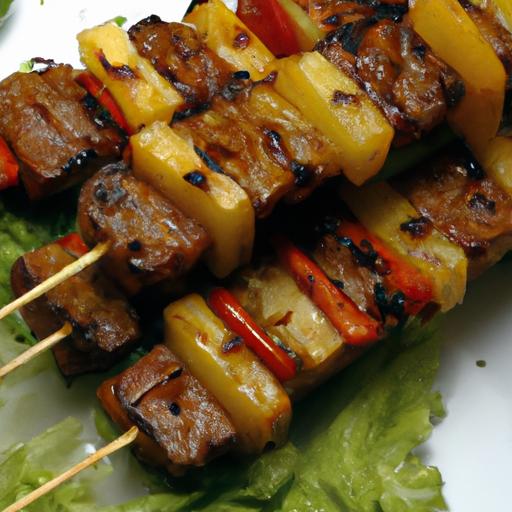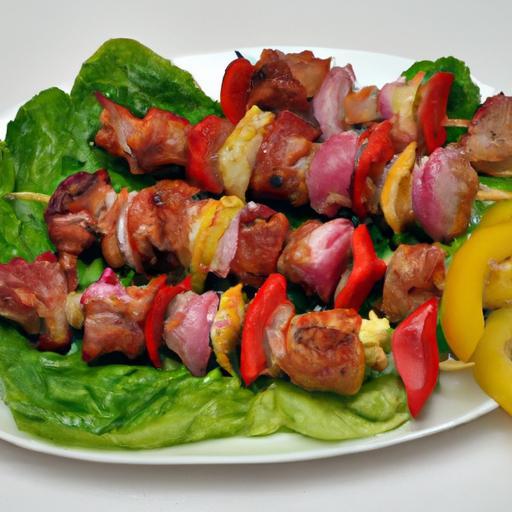
In the vibrant tapestry of South African cuisine, few dishes capture the country’s rich cultural heritage and bold flavors quite like sosaties.These savory kebabs,skewered with a colorful medley of marinated meats,fruits,and spices,are more than just a meal-they are an experience that ignites the senses and tells a story of tradition,ingenuity,and party. From smoky braais under the African sun to festive gatherings filled with laughter, South African sosaties invite you to savor every bite of a culinary tradition bursting with flavor and history. Join us as we delve into the succulent world of sosaties, exploring their origins, unique ingredients, and the mouthwatering magic that makes them a beloved staple across South Africa.
Discovering the Roots and Essence of South African Sosaties
South African sosaties are more than simply skewered meat; they are a vibrant celebration of the nation’s rich culinary heritage. Originating from the Cape Malay communities, these savory kebabs burst with flavor thanks to a masterful blend of spices and marinades influenced by centuries of trade and cultural exchange. The name “sosatie” stems from the Malay words saus (sauce) and sate (skewer), perfectly capturing the essence of tender meat threaded between juicy fruits and vegetables, all infused with aromatic spices. Each bite tells a story – from family braais (barbecues) under the African sun to festive gatherings where flavors are shared and traditions honored.
Prep and Cook Time
- Preparation: 30 minutes (plus 4-6 hours marinating)
- Cooking: 15-20 minutes grilling time
Yield
Serves 4-6 people, producing about 12 skewers
Difficulty Level
Medium – Requires some marinating time and basic grilling know-how
Ingredients
- 700g boneless lamb shoulder, cut into 1-inch cubes
- 300g chicken thigh fillets, cut into chunks
- 1 large onion, cut into thick rings
- 2 large red bell peppers, seeded and cut into squares
- 200g dried apricots, halved
- Fresh coriander leaves, for garnish
- For the marinade:
- ½ cup apricot jam
- 3 tbsp tomato paste
- 4 garlic cloves, minced
- 2 tbsp brown sugar
- 2 tbsp curry powder (mild to medium heat)
- 1 tbsp ground coriander
- 1 tbsp turmeric powder
- 1 tbsp freshly grated ginger
- 3 tbsp vinegar (apple cider or white)
- ¼ cup vegetable oil
- Salt and freshly ground black pepper, to taste
instructions
- Prepare the marinade: In a large bowl, whisk together apricot jam, tomato paste, minced garlic, brown sugar, curry powder, ground coriander, turmeric, grated ginger, vinegar, and vegetable oil.Season with salt and fresh black pepper.
- Marinate the meats: Add the lamb and chicken pieces to the bowl, ensuring each piece is generously coated. Cover tightly with plastic wrap and refrigerate for 4-6 hours,or ideally overnight,to let the spices deeply permeate the meat.
- Assemble the skewers: Soak wooden skewers in water for 30 minutes to prevent burning. Thread the marinated meat cubes alternately with onion rings, red bell pepper pieces, and dried apricot halves to create a colorful and flavorful combination.
- Preheat the grill: Get your grill hot and ready – medium-high heat works best for a lovely char and tenderness inside.
- Grill the sosaties: Place the skewers on the grill and cook for about 15-20 minutes total, turning occasionally. Watch for caramelization on the edges and an internal temperature of 75°C (165°F) on the chicken pieces.
- Rest and serve: Let the sosaties rest for 5 minutes off the heat. Garnish with fresh coriander leaves for a burst of color and herbal aroma before plating.
Tips for Success
- Marinating time realy matters: The unique tang and spice harmony develops fully when the meats soak overnight. If pressed, at least 4 hours is essential.
- Mix meats for texture: Combining lamb’s rich depth with tender, juicy chicken keeps the skewers interesting and well-balanced.
- Try fruit variations: While apricots are classic, swapping in peach slices or even pineapple adds a refreshing, sweet contrast against the savory spices.
- Use a thermometer: Ensuring the chicken is cooked through but not dry is key. Lamb can be pulled earlier if you like it medium-rare.
- Make ahead: Sosaties can be prepped and marinated the day before.Keep assembled skewers wrapped tightly and refrigerated untill grilling time.
Serving Suggestions to Elevate Your Sosatie Experience
Presenting South African sosaties with complementary sides makes the meal truly memorable. Serve them hot off the grill on a rustic wooden board alongside fluffy mieliepap (maize porridge) or fragrant basmati rice to soak up those luscious drippings. A fresh,crisp salad with avocado and lemon zest or a tangy tomato and cucumber relish balances the smoky richness.Sprinkle pomegranate seeds or toasted nuts for extra texture and color. Don’t forget to provide extra wedges of lemon or lime – a squeeze brightens each bite magnificently.

| Nutritional Info (per serving) | Calories | Protein (g) | Carbs (g) | Fat (g) |
|---|---|---|---|---|
| Sosaties with marinade and vegetables | 320 | 35 | 12 | 12 |
For further culinary inspiration, explore the rich world of South African food culture to deepen your gratitude of these flavorsome skewers.
Q&A
Q&A: South African Sosaties – Savory Kebabs Bursting with Flavor
Q1: what exactly are Sosaties?
A1: Sosaties are a beloved South african dish that transforms simple skewered meat into a vibrant culinary experience.Think of them as succulent kebabs, traditionally crafted with tender cuts of lamb or beef, marinated in a fragrant blend of spices, herbs, and dried fruits. The result? A perfect harmony of savory, sweet, and tangy notes with every juicy bite.
Q2: Where did Sosaties originate?
A2: The roots of Sosaties trace back to the Cape Malay community in South Africa, who blended indigenous flavors with influences from Indonesian and Malaysian cuisine. The word “Sosatie” itself comes from the Malay words “saus” (sauce) and “sate” (skewered meat), reflecting the dish’s rich cultural fusion.
Q3: What makes Sosaties unique compared to other kebabs?
A3: Unlike typical kebabs, Sosaties are known for their distinctive marinade which ofen includes ingredients like curry powder, garlic, ginger, apricot jam, and tamarind. They are also traditionally threaded with a mix of meat and accompaniments such as onions, bell peppers, and dried fruits like apricots or prunes. This blend introduces a delightful interplay of smoky, sweet, and tangy flavors that dance on the palate.
Q4: Can Sosaties be made with meats other than lamb?
A4: Absolutely! While lamb is the classic choice due to its rich flavor, beef is a fantastic alternative and widely used. Chicken or venison can also make excellent substitutes, each bringing a unique texture and taste. The key is in the marinade and the balance of ingredients that give Sosaties their signature flavor profile.
Q5: What ingredients are essential in a traditional sosatie marinade?
A5: Essential ingredients typically include curry powder or turmeric for warmth, garlic and ginger for zest, apricot jam or chutney for sweetness, and tamarind or lemon juice for acidity. these create a complex yet harmonious marinade that tenderizes the meat and infuses it with vibrant,layered flavors that define authentic Sosaties.
Q6: How are Sosaties traditionally cooked?
A6: Traditionally, Sosaties are grilled over an open flame or on a barbecue, allowing the marinade to caramelize beautifully while imparting a smoky char. This method seals in the meat’s juices, producing tender skewers with a deliciously crispy exterior. In South Africa, Sosaties often accompany braais-community barbecues known for their convivial spirit and mouthwatering fare.
Q7: are there vegetarian or vegan versions of Sosaties?
A7: Yes! Creative cooks have embraced plant-based Sosaties by using hearty vegetables like mushrooms,cauliflower,tofu,or tempeh. Marinated with the same aromatic spices and sweet-savory sauces, these veggie skewers capture the spirit of traditional Sosaties while offering a flavorful, inclusive option for all diets.
Q8: What dishes or sides pair well with Sosaties?
A8: Sosaties pair beautifully with South African staples such as yellow rice infused with turmeric and raisins, fresh salads tossed with tangy dressings, and warm, crusty bread to soak up the flavorful juices. Adding a side of chakalaka-a spicy vegetable relish-can also elevate the meal with a burst of heat and texture.
Q9: Can Sosaties be prepared ahead of time?
A9: Definitely! preparing Sosaties in advance allows the marinade to deeply penetrate the meat, enhancing the flavor even further. Marinate the skewers for at least several hours or overnight in the fridge,then cook them fresh on the grill for the best results. This makes them perfect for gatherings or leisurely weekend meals.
Q10: Why have Sosaties become a cherished dish beyond South Africa?
A10: Sosaties embody the warmth, diversity, and bold flavors of South African cooking, inviting food lovers to explore a unique fusion of cultures on a skewer. Their irresistible blend of sweet and savory, combined with the communal joy of grilling and sharing, makes Sosaties a globally appealing dish that invites everyone to experience South African hospitality and heritage.
Future Outlook
In the vibrant tapestry of South African cuisine, sosaties stand out as colorful threads woven with history, culture, and bold flavors. These savory kebabs,bursting with the sweet tang of apricots and the smoky depth of marinated meats,invite both novice cooks and seasoned grill masters to embark on a culinary adventure. Whether sizzling over open flames at a lively braai or served alongside fragrant rice and fresh salads, sosaties embody the spirit of South Africa’s rich and diverse palate. So next time you crave a dish that’s as flavorful as it is steeped in tradition, let sosaties be your flavorful guide to a truly unforgettable taste experience.