From the bustling street markets of Marrakech to the sun-drenched savannas of Kenya, Africa’s culinary tapestry is as rich adn diverse as its landscapes. Beyond the hearty stews and fragrant spices lies a world of tantalizing snacks-bite-sized treasures that tell stories of culture, tradition, and innovation. In this journey across the continent, we’ll dive into the irresistible flavors, textures, and aromas of African snacks that have captured the hearts and palates of millions. Prepare to savor the continent like never before, one flavorful morsel at a time.
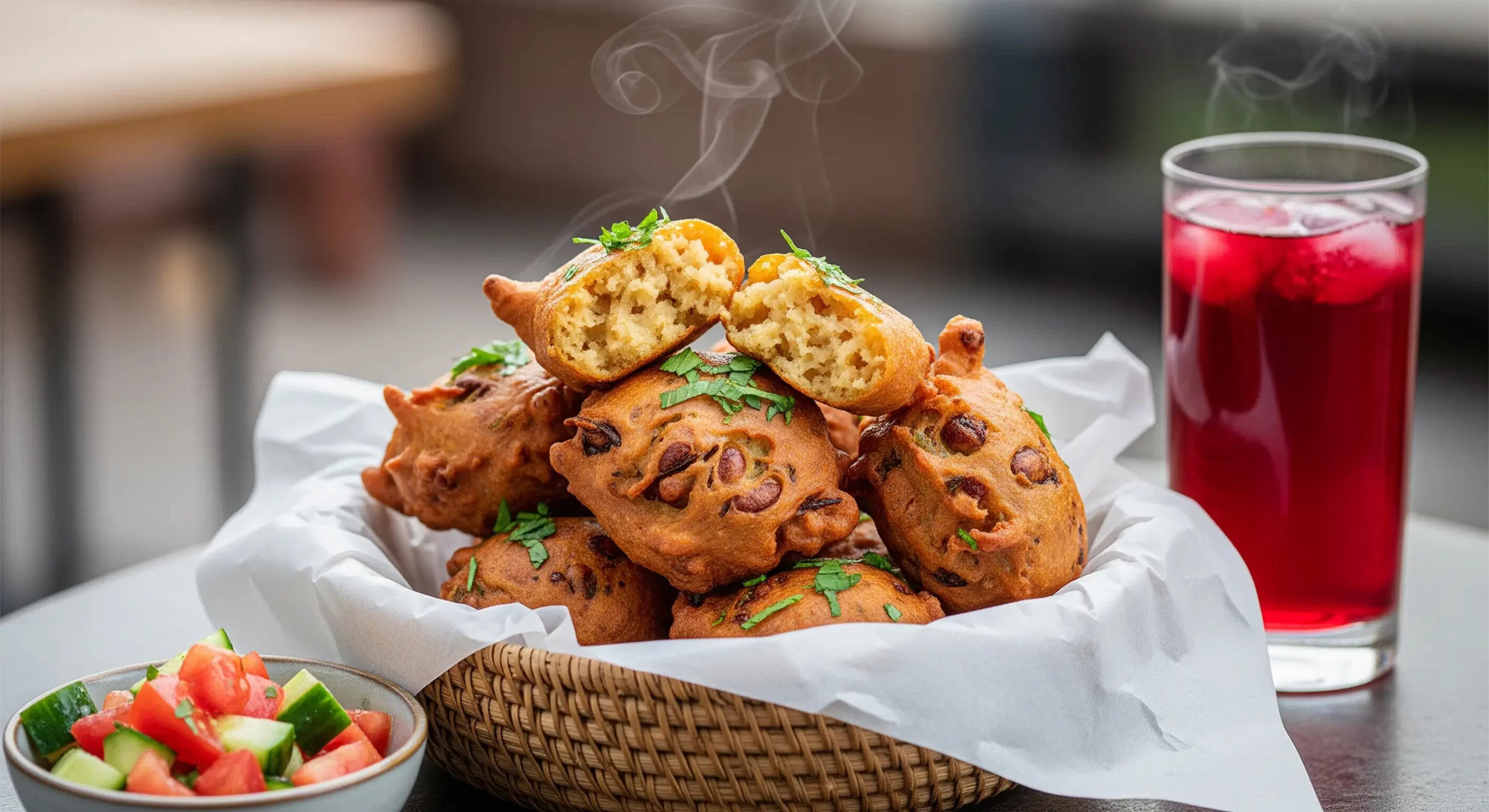
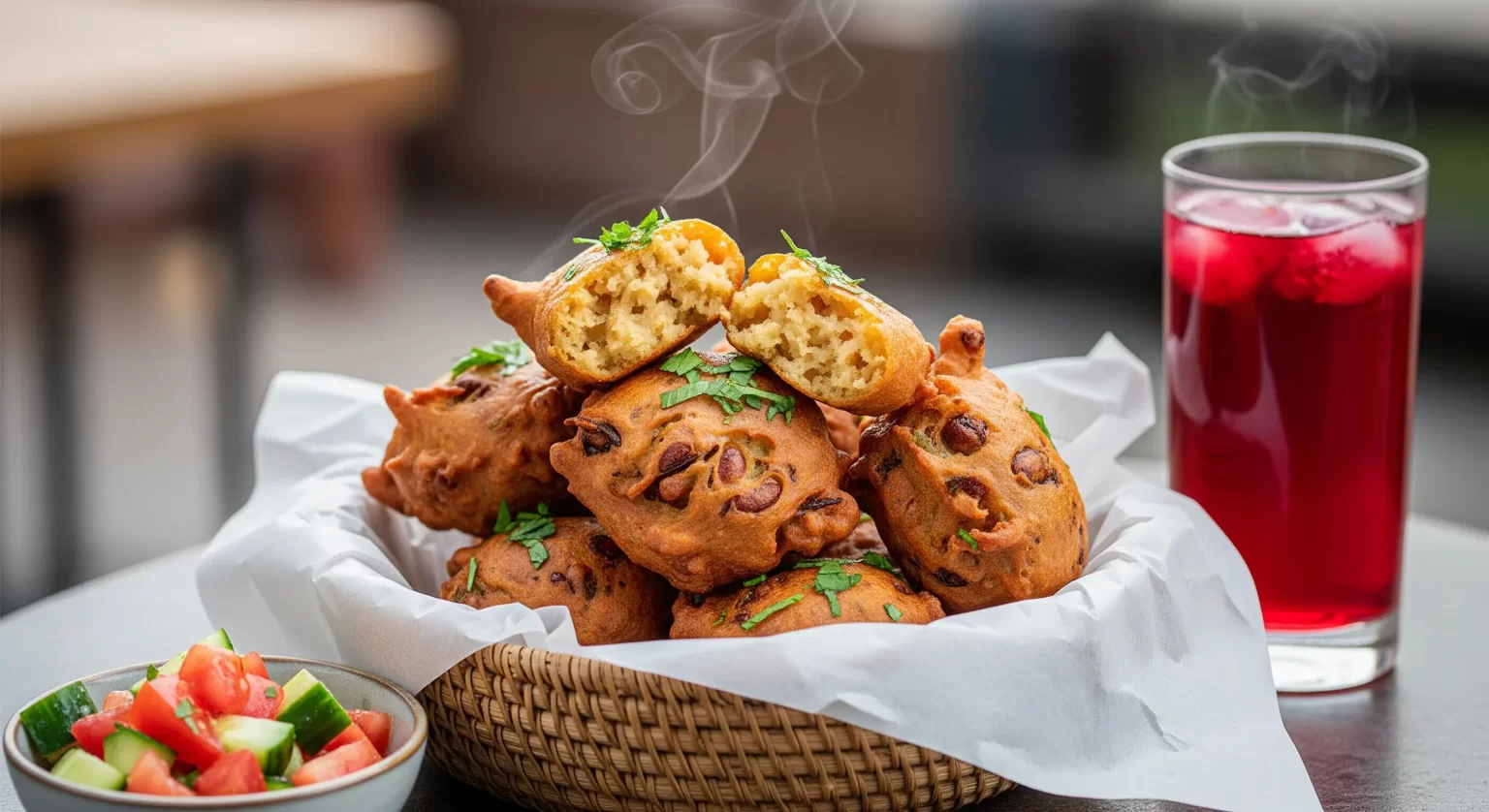
Savor the Continent: Exploring Irresistible African Snacks unlocks a vibrant tapestry of tastes, textures, and aromas that reflect the soul of diverse cultures across Africa. Among these, Akara, a golden, crispy bean fritter, stands out as a beloved street food classic with deep roots in West African tradition.Each bite bursts with a nutty, savory flavor derived from black-eyed peas, gently spiced and fried to perfection, making it a snack that’s both comforting and exciting.
Prep and Cook Time
Preparation: 15 minutes Cooking: 10 minutes Total Time: 25 minutes
Yield
Approximately 20 fritters (serves 4)
Difficulty Level
Medium – requires some soaking,blending,and frying skills
Ingredients
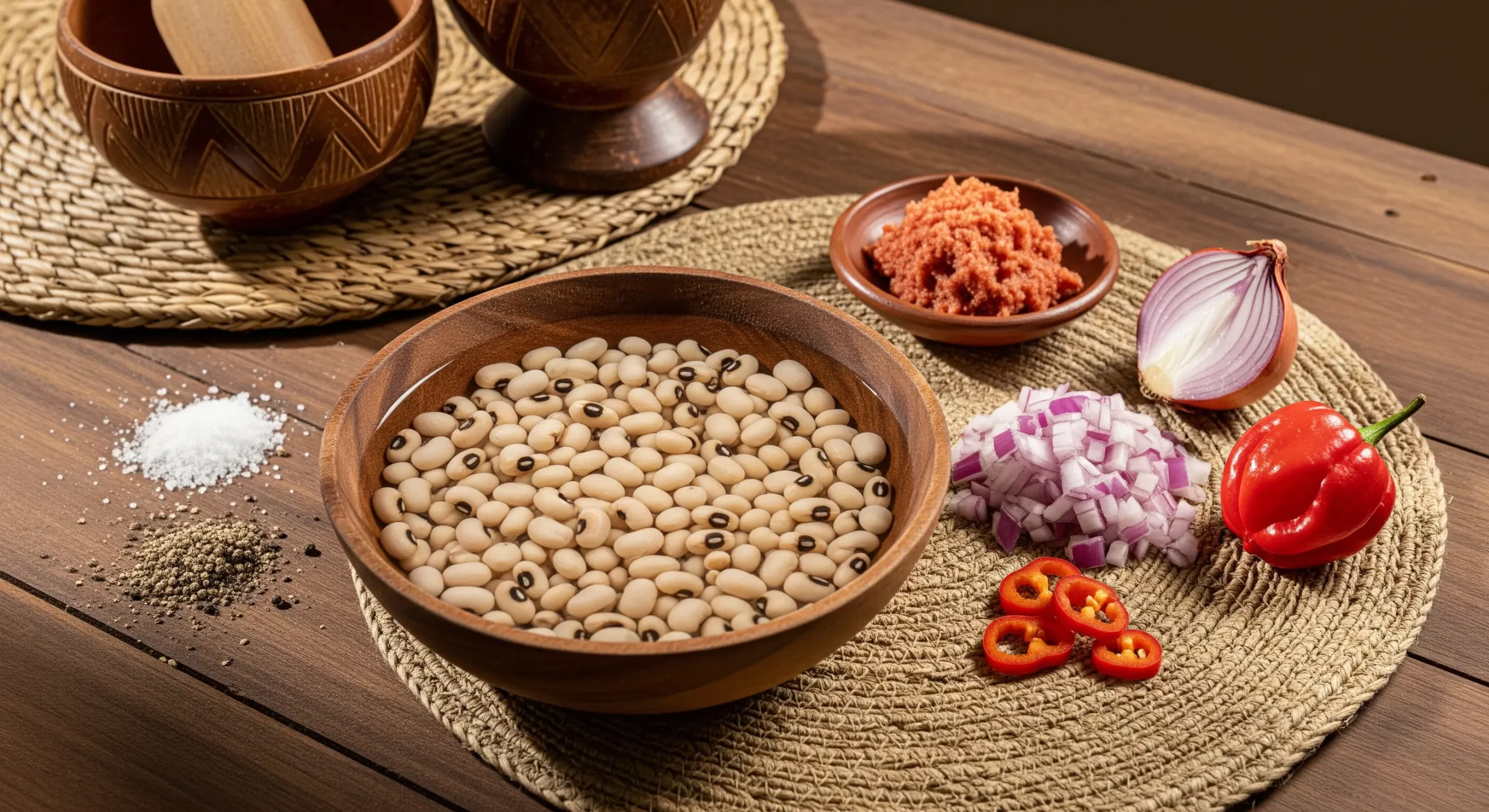
- 2 cups black-eyed peas,soaked overnight
- 1 medium onion,roughly chopped
- 1-2 Scotch bonnet peppers,deseeded (adjust for heat preference)
- 1 teaspoon salt
- 1/2 teaspoon black pepper,freshly ground
- 1 teaspoon ground crayfish (optional,for authentic smoky depth)
- 2 tablespoons vegetable oil,for frying
- Water,as needed for blending
Instructions
- Prepare the black-eyed peas: Drain the soaked peas and rub them gently between your hands to remove the skins. Rinse and discard the skins, then drain thoroughly. this step ensures a smooth, light batter.
- Blend the batter: In a food processor or blender,combine the peeled peas,chopped onion,Scotch bonnet peppers,salt,black pepper,and ground crayfish if using. Add a few tablespoons of water to help the blending process, aiming for a thick, smooth paste. The batter should be light and airy to produce fluffy fritters.
- Beat for airiness: Transfer the batter to a bowl and beat it vigorously by hand or with a mixer for 2-3 minutes, incorporating air to ensure the akara puffs while frying.
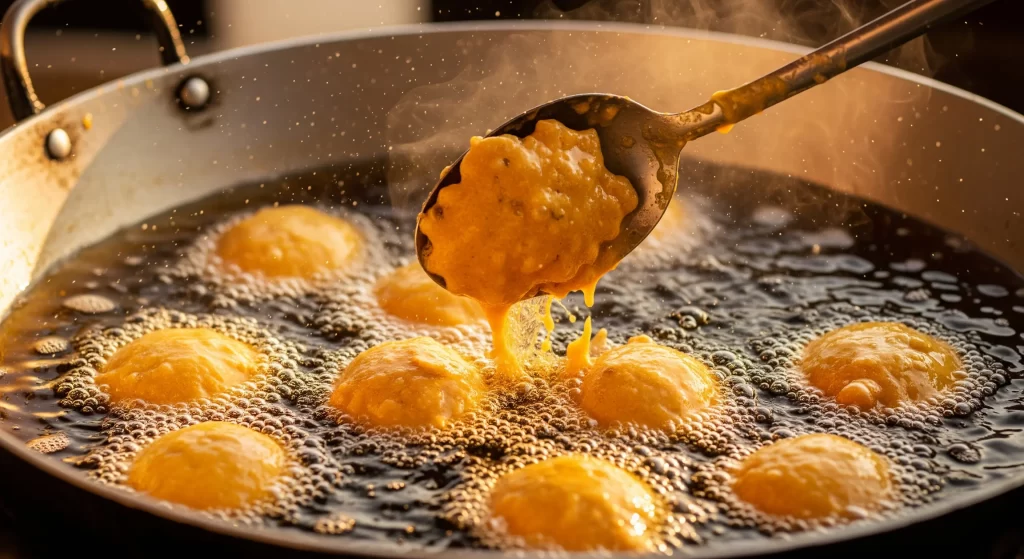
- Heat the oil: Warm the vegetable oil in a deep, heavy-bottomed pan over medium heat.The oil should be about 350°F (175°C) or hot enough that a drop of batter sizzles instantly.
- Fry the akara: Use two spoons or your hand to gently scoop spoonfuls of batter into the hot oil. Fry in batches, turning occasionally until golden brown and crisp, about 4-5 minutes per batch.
- Drain and serve: Remove the akara with a slotted spoon and drain on paper towels to eliminate excess oil. Serve warm for the best texture and flavor.
Chef’s Notes: Tips for Success
- Skins removal: Removing the black-eyed pea skins is key to achieve the signature fluffy texture; don’t skip this!
- Spice balance: Adjust the Scotch bonnet peppers carefully; they add vibrant heat but can overpower the batter.
- Consistency: The batter should be thick but not dry. Add water gradually to strike the right balance.
- Oil temperature: Maintain steady heat to prevent the fritters from absorbing excess oil or burning.
- Make-ahead: The batter can be refrigerated for up to 2 days; stir before frying for best results.
Serving Suggestions
Present these golden delights alongside a fresh tomato and cucumber salad drizzled with lime juice, or dip them in a spicy harissa yogurt sauce for a tangy contrast. Garnish with chopped cilantro and thinly sliced scallions to add vibrant color and fresh aromas. For a truly immersive experience, pair akara with a chilled glass of hibiscus tea, whose floral tartness beautifully complements the fritter’s savory notes. Alternatively, try it with Ginger Beer, a zesty and refreshing African classic drink.

| Nutrient | Per Serving (5 fritters) |
|---|---|
| Calories | 220 kcal |
| Protein | 10 g |
| Carbohydrates | 25 g |
| Fat | 9 g |
Q&A
Q&A: Savor the Continent: Exploring Irresistible African Snacks
Q1: What makes African snacks so unique compared to snacks from other regions?
A1: African snacks are a vibrant reflection of the continent’s rich cultural tapestry and diverse landscapes.They often combine bold spices, indigenous grains, and fresh ingredients in innovative ways, creating flavors that are concurrently familiar and exotic. From crunchy, savory bites to sweet delicacies infused with local fruits and nuts, African snacks tell stories of heritage, celebration, and community in every bite.
Q2: Can you name some popular savory African snacks that are a must-try?
A2: Absolutely! Some beloved savory snacks include samosas filled with spiced vegetables or lentils, mandazi which are lightly sweet fried dough treats from East Africa, and akara-crispy black-eyed pea fritters from West Africa. Then there’s biltong, air-dried cured meat (often beef or game), which offers deep, smoky flavors and is a favorite across southern Africa.
Q3: Are there any traditional African snacks suitable for vegetarians?
A3: Yes, many African snacks are naturally vegetarian or can be easily adapted. For example, Kelewele-spicy fried plantains from Ghana-are a delicious, meat-free snack bursting with heat and sweetness. Also, Chin chin, a crunchy fried dough snack popular in Nigeria, is made from simple ingredients like flour, sugar, and milk, making it perfect for vegetarians.
Q4: What role do indigenous ingredients play in African snack-making?
A4: Indigenous ingredients are the heart and soul of African snack cuisine. Staples like millet, sorghum, cassava, plantains, and groundnuts provide unique textures and flavors. Spices such as berbere, harissa, and ras el hanout infuse snacks with warmth and depth, while local fruits like baobab and tamarind offer surprising bursts of tangy sweetness.
Q5: How do African street foods influence the continent’s snack culture?
A5: Street food culture is vital across Africa and serves as a dynamic laboratory for snack innovation. Vendors craft quick, affordable, and flavorful snacks that capture regional tastes-think nyama choma (grilled meats) skewers, spicy peanut-stew-filled pastries, or sweet coconut candies. These bustling street markets keep snack traditions alive and evolving,offering a delicious snapshot of local life.
Q6: Can African snacks be easily recreated at home for those new to the cuisine?
A6: Definitely! Many African snacks feature straightforward ingredients and techniques. Recipes for plantain chips, black-eyed pea fritters, or sweet sesame balls can be found online, often requiring just basic frying or baking.Exploring these recipes is a fun and tasty way to experience African flavors without leaving your kitchen.
Q7: What’s a sweet African snack that showcases the continent’s natural flavors?
A7: One standout sweet snack is maamoul, date-filled semolina cookies popular across North Africa, perfectly blending nutty textures with the rich sweetness of dried fruit. Another is dhokla from East Africa-not a sweet traditionally, but its mild, spongy cake texture is often complemented with honey or fruit preserves to create a delightful dessert snack.
Q8: How do African snacks reflect the continent’s diverse climates and cultures?
A8: The variety of climates, from the Sahara’s arid sands to lush tropical rainforests, influence available ingredients and cooking methods. Coastal regions favor seafood-based snacks, while inland areas rely on grains and legumes. Cultural diversity adds layers of tradition-weather its Ethiopian injera-based treats or Moroccan spiced pastries-each snack invites you into a rich world of history and hospitality.
Q9: Why should adventurous food lovers add African snacks to thier culinary explorations?
A9: African snacks offer fresh, bold, and frequently enough unexpected flavor combinations that expand your palate and appreciation for global cuisine. They are perfect for sharing,embodying communal dining spirit,and connect eaters with centuries-old traditions. For the curious gastronome, these snacks open doors to new tastes, textures, and stories waiting to be discovered.
Q10: Are there any tips for pairing African snacks with beverages other than the commonly paired options?
A10: Certainly! African snacks pair wonderfully with fresh fruit juices like hibiscus tea (known as bissap), ginger lemonade, or tamarind drinks-each enhancing different flavor notes. Herbal teas or lightly spiced non-alcoholic beverages also complement the snacks’ spices, creating refreshing and harmonious tastes that celebrate the continent’s natural bounty.
Future Outlook
As we conclude this flavorful journey across Africa’s vibrant snackscape, it’s clear that each bite tells a story-of rich cultures, time-honored traditions, and the creative spirit that infuses every market stall and family kitchen.From the crunchy allure of spiced plantains to the comforting warmth of savory samosas, these snacks invite us not onyl to taste but to savor the continent itself. So next time hunger strikes, let your palate wander beyond the familiar and embrace the irresistible delights that African snacks have to offer-because in every morsel lies a celebration of heritage waiting to be discovered.