From the ancient hearths of civilizations long past to the bustling kitchens of today, flat bread has woven itself into the very fabric of human culture. thin, versatile, and endlessly adaptable, this humble staple carries stories of tradition, innovation, and shared meals across continents and centuries. In “Flat Bread Unfolded: Exploring History and Appetizing Varieties,” we embark on a flavorful journey that peels back layers of time and taste, revealing the captivating origins and mouthwatering diversity of flat breads around the world.Whether folded, rolled, or torn, each variety tells a unique tale-inviting us to savor not just the bread itself, but the rich heritage baked within.
Crafting Perfection: Understanding Ingredients and Techniques
Flat Bread Unfolded invites you into a timeless world where simplicity and tradition meet in dough stretched thin and cooked to golden perfection. This humble staple has fed civilizations, celebrated festivals, and accompanied countless meals around the globe. At its heart, making flat bread is an art of balance – combining fundamental ingredients like flour, water, salt, and often a touch of oil or yeast, then mastering techniques that create tender, pliable, and flavorful results.
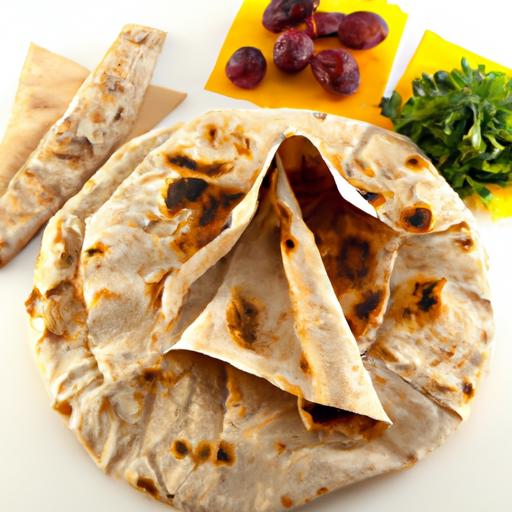
Throughout history, flat bread was often baked on hot stones, griddles, or open flames, resulting in beautiful charred spots and a delightful chew. The magic lies in mixing the right flour blend, hydrating the dough just enough, and intervening gently during kneading and resting phases. Achieving the perfect flat bread is less about rigid rules and more about patience and intuition – feeling when the dough has the right elasticity or when the griddle is hot enough to coax air bubbles and those signature blistered marks.
Prep and Cook Time
- Readiness: 15 minutes
- Resting: 1 hour (for optimal softness)
- Cooking: 10 minutes
- Total Time: 1 hour 25 minutes
Yield
This recipe yields 8 medium-sized flat breads, perfect for sharing or pairing with assorted dips and mains.
Difficulty Level
Easy to Medium – ideal for beginners but with room to experiment for those refining their craft.
Ingredients
- 2 cups all-purpose flour, sifted
- ¾ cup warm water (about 110°F or 43°C)
- 1 tsp salt
- 2 tbsp olive oil, plus extra for brushing
- 1 tsp baking powder (optional for a bit of puff)
Instructions
- Mix dry ingredients: In a large bowl, combine the sifted all-purpose flour, salt, and baking powder, whisking to blend evenly.
- Add liquids: Slowly pour the warm water and olive oil into the flour mixture, stirring with a wooden spoon or yoru hand until a rough dough forms.
- Knead the dough: transfer to a flat surface dusted with flour. Knead for 8-10 minutes until the dough is smooth, elastic, and slightly tacky but not sticky. Add small amounts of flour or water as needed to adjust the texture.
- Rest the dough: Place the dough ball back in the bowl, cover with a clean kitchen towel or plastic wrap, and let it rest for 1 hour. This step allows the gluten to relax and makes rolling easier.
- Divide and roll: Punch down the dough and divide into 8 equal portions. Using a rolling pin, roll each piece into a thin, round disc about 6-8 inches in diameter. Aim for even thickness to ensure uniform cooking.
- Cook the flat breads: Heat a heavy skillet or cast-iron griddle over medium-high heat until hot. Place one flat bread on the surface. Cook for 1-2 minutes until bubbles start to form and the underside develops golden spots.
- Flip and cook: Carefully flip the flat bread with a spatula.cook the other side for another 1-2 minutes. You may gently press down with the spatula to encourage puffing. Brush lightly with olive oil if desired while still warm.
- Repeat: Continue with remaining dough discs. Serve warm or at room temperature.
Tips for Success
- For a chewier texture, replace half the all-purpose flour with whole wheat flour.
- If dough feels to sticky, dust your surface lightly with flour rather then adding extra during kneading to avoid dryness.
- Letting the dough rest longer (up to 2 hours) enhances flavor and pliability.
- Use a cast-iron skillet for best heat retention and even browning.
- To store, wrap cooled flat breads in foil and warm briefly in the oven before serving.
- Experiment with toppings like sesame seeds or za’atar sprinkled atop the rolled dough before cooking.
Serving suggestions
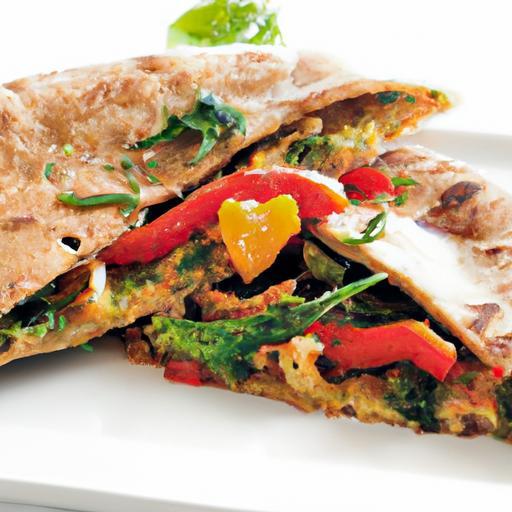
Serve these flat breads as a stunning base for vibrant Mediterranean or Middle Eastern spreads like hummus, baba ganoush, or muhammara. They pair beautifully with grilled vegetables, spiced chickpeas, or even bright salads drizzled with citrus dressing. Garnish with fresh herbs like parsley or cilantro and a sprinkle of flaky sea salt for a rustic artisan touch.
The versatile nature of flat bread means you can roll, fold, or tear pieces to scoop flavorful sauces or dips, enhancing every bite’s texture and taste. Toasted slightly before serving adds a tantalizing crunch to contrast soft, velvety dips.
| Nutrient | Per Serving (1 flat bread) |
|---|---|
| Calories | 145 |
| Protein | 4g |
| Carbohydrates | 22g |
| Fat | 4g |
Discover more about exciting bread varieties in our World Bread Exploration article, or dive deeper into the fascinating history of grains and baking techniques at the Encyclopaedia Britannica.

Q&A
Q&A: Flat Bread Unfolded – Exploring History and Delicious Varieties
Q1: What exactly is flat bread, and why has it stood the test of time?
A1: Flat bread is one of the simplest yet most enduring types of bread, typically made from flour, water, and occasionally salt, baked without yeast or with minimal leavening.Its longevity stems from its accessibility-requiring minimal ingredients and equipment-making it a staple across civilizations for thousands of years. From ancient civilizations to modern kitchens, flat bread’s versatility and ability to complement countless dishes have kept it relevant.
Q2: How far back does flat bread date in human history?
A2: The origins of flat bread stretch back at least 12,000 years, making it one of humanity’s earliest culinary creations.Archaeological evidence from ancient Mesopotamia, Egypt, and the Indus Valley reveals early forms of flat bread cooked on hot stones or griddles. It was not just food but a cultural cornerstone, often tied to rituals and daily sustenance alike.Q3: What are some conventional flat bread varieties around the world?
A3: The global panorama of flat breads is vast and vibrant. Some iconic examples include:- Naan (South Asia): A soft, leavened flatbread traditionally baked in a tandoor oven.- Tortilla (Mexico): A corn- or wheat-based, unleavened flat bread often used for wraps and tacos.- lefse (Norway): A delicate potato flatbread cooked on a griddle.- Lavash (Armenia and surrounding regions): A thin, soft flat bread baked in a clay oven, often used for wraps.- Roti (Caribbean and Indian subcontinent): An unleavened whole wheat bread, soft and pliable for scooping curries.- Focaccia (Italy): While thicker,its a flat oven-baked bread often seasoned with herbs and olive oil.Q4: What makes flat bread different from other types of bread?
A4: Unlike sandwich loaves or rustic rounds, flat breads generally have little to no rise, resulting in a thinner profile and quicker cooking time. Their texture can range from crisp and cracker-like to soft and chewy,depending on ingredients and preparation methods. This adaptability allows them to serve as wraps, accompaniments, or standalone snacks.
Q5: How can flat bread be enjoyed in everyday meals?
A5: Flat breads are culinary chameleons. You can wrap them around vibrant fillings like grilled vegetables, spiced legumes, or marinated tofu to create hearty wraps. They’re perfect for scooping up dips like hummus or baba ganoush. Toasted slices pair beautifully with olive oils, fresh herbs, or a drizzle of honey for a simple treat. At breakfast, try them with nut butters or fresh fruits for a wholesome start.
Q6: Are there any interesting cultural customs connected to flat bread?
A6: Absolutely! In many cultures, flat bread is more than food-it’s tradition. For example, in parts of the Middle East, breaking flat bread together symbolizes hospitality and community. In India, sharing a hot roti straight off the griddle implies warmth and familial bonds. These breads frequently enough accompany meals where communal dining and shared dishes highlight social connection.
Q7: Can flat bread be a healthy option for those mindful of nutrition?
A7: Definitely. Many flat breads, especially those made from whole grains, legumes, or option flours like chickpea or teff, are rich in fiber, vitamins, and minerals. Using less oil and sugar in preparation enhances their nutritional profile. Additionally, their typically lower carbohydrate content (compared to thick, leavened breads) can fit well into balanced diets.
Q8: what are some modern twists on flat bread that bring exciting flavors to the table?
A8: Contemporary cooks experiment with everything from infusing flat bread dough with turmeric or matcha powder to swirling in herbs,garlic,or sundried tomatoes. Gluten-free versions using almond or coconut flour cater to dietary needs. Flat breads have also made their way into fusion cuisine, stuffed with ingredients like curried vegetables, spiced mushrooms, or sweet fillings such as figs and nuts-turning a humble staple into gourmet delight.
Q9: How can someone new to baking try making flat bread at home?
A9: A simple flat bread can be made with just flour, water, salt, and a skillet. Mix, knead lightly, roll out thin, and cook on a hot, dry pan for a minute or two on each side until golden spots appear. From there, you can begin experimenting with resting the dough longer, adding yogurt for softness, or incorporating herbs and spices for flavor.The key is practice and enjoying the tactile process of bringing flour and water together into something delicious.
Q10: Why does flat bread continue to inspire chefs and food lovers worldwide?
A10: Flat bread embodies the essence of comfort, culture, and creativity. Its simplicity invites endless innovation, while its rich history connects us with ancestors across time. Whether crisp or pillowy, modest or adorned with toppings, flat bread remains a global canvas-a humble yet profound part of the human story and palate.
Future Outlook
As we fold away the layers of flatbread’s rich history, one thing becomes clear: this humble staple is far more than just a simple bread. From ancient hearths to modern tables across the globe, flatbread carries stories of culture, tradition, and culinary creativity. Whether it’s the chewy embrace of a Middle Eastern pita, the crisp crackle of a Mexican tortilla, or the soft warmth of Indian naan, each variety invites us to savor not only flavors but also the heritage behind every bite. So next time you encounter a piece of flatbread, remember-you’re tasting a timeless connection that stretches back through centuries, unfolding a world of delicious possibilities.