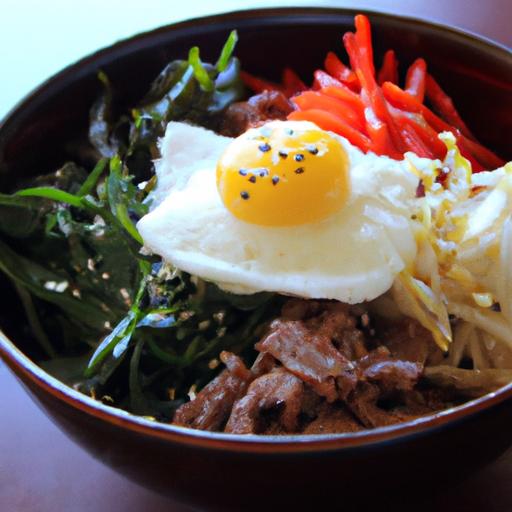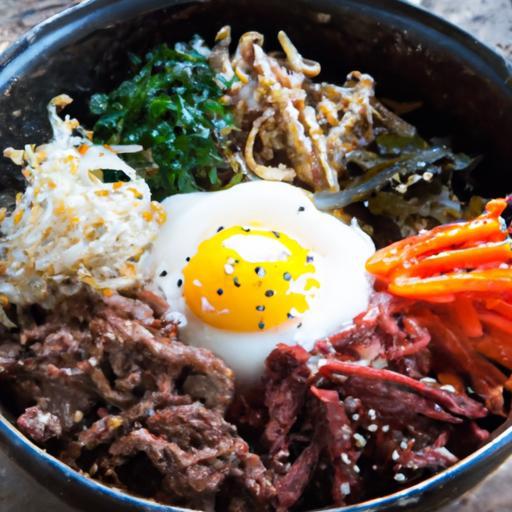
In a world where flavors dance and cultures converge, few dishes capture the essence of harmony quite like bibimbap. This emblematic Korean creation brings together vibrant vegetables, tender beef, and luscious rice in a symphony of taste and texture. “Savor the Harmony: Beef & Vegetable Bibimbap Unveiled” invites you on a culinary journey to explore the artful balance behind this beloved dish – from its colorful ingredients to the meticulous preparation that makes every bite a celebration of flavor. Whether you’re a seasoned foodie or a curious newcomer, prepare to discover how bibimbap transforms simple components into a masterpiece of nourishment and tradition.
Savor the harmony in every bite with this timeless Beef & Vegetable Bibimbap, a Korean culinary masterpiece that beautifully marries fresh ingredients and bold flavors. This dish celebrates balance-not just of taste but also of texture and color-bringing together seasoned beef, crisp vegetables, and a luscious, perfectly blended bibimbap sauce. It’s a comforting yet complex bowl that invites both novice and seasoned cooks to create an authentic experience that delights the senses.
Prep and Cook Time
- Preparation: 25 minutes
- Cooking: 20 minutes
- Total: 45 minutes
Yield
Serves 4 hearty portions
Difficulty Level
Medium – approachable with a little attention to detail
Ingredients
- For the Beef Marinade:
- 10 oz (280g) lean beef sirloin, thinly sliced
- 1 tbsp soy sauce
- 1 tsp sesame oil
- 1 tsp minced garlic
- 1 tsp brown sugar
- Pinch of ground black pepper
- Vegetables:
- 1 medium carrot, julienned
- 1 zucchini, julienned
- 1 cup fresh spinach, blanched
- 4 shiitake mushrooms, thinly sliced
- 1/2 cup bean sprouts, blanched
- Rice:
- 2 cups short-grain white rice, cooked and kept warm
- Bibimbap Sauce:
- 3 tbsp gochujang (Korean chili paste)
- 1 tbsp toasted sesame oil
- 1 tbsp rice vinegar
- 1 tbsp honey
- 1 tsp soy sauce
- 1 tsp minced garlic
- For Garnish:
- 1 large egg (fried sunny-side up or raw yolk optional)
- Toasted sesame seeds
- Sliced nori strips (dried seaweed)
Instructions
- Marinate the beef: In a bowl, combine soy sauce, sesame oil, garlic, brown sugar, and black pepper.Add the sliced beef, tossing to coat evenly. Set aside for at least 15 minutes to absorb the flavors.
- Prepare the vegetables: While the beef marinates, sauté each vegetable separately to preserve distinct textures and flavors. Heat a non-stick pan with a teaspoon of vegetable oil. Sauté the carrots until tender-crisp, about 3 minutes. Remove and repeat with zucchini, shiitake mushrooms, spinach (lightly seasoned), and blanched bean sprouts. Season lightly with salt for each. Cooking vegetables individually ensures vibrant color and prevents mingling of flavors prematurely.
- Cook the beef: In the same pan, add a little oil and cook the marinated beef over medium-high heat until browned and just cooked through, about 4-5 minutes. Avoid crowding to ensure a beautiful sear.
- make the bibimbap sauce: whisk together gochujang, toasted sesame oil, rice vinegar, honey, soy sauce, and minced garlic in a small bowl. Taste and adjust sweetness or acidity according to preference. This balance will tie the dish together with the perfect burst of spicy,sweet,and tangy notes.
- Assemble the bibimbap bowls: Place a generous scoop of warm cooked rice at the base of each bowl. Artistically arrange the sautéed vegetables and cooked beef in sections around the bowl’s edges, creating a colorful tapestry of textures. deposit the fried egg or raw yolk gently at the center.
- Finish and serve: Drizzle the bibimbap sauce over the top,sprinkle with toasted sesame seeds,and garnish with nori strips. Serve immediately, encouraging everyone to mix thoroughly before savoring to unleash the full spectrum of flavors and textures.
Tips for Success: Mastering the Perfect Bibimbap Experience
- Choosing the freshest ingredients is essential. Opt for crisp, vibrant vegetables and thinly sliced beef to mirror the authentic texture and taste that elevate this dish.
- Keep ingredients separate during cooking to showcase their individual flavors before blending them in the bowl.
- Control the heat when sautéing; vegetables like zucchini and mushrooms should be tender but retain a slight bite for contrast.
- Customize the bibimbap sauce by sampling as you mix – a touch more honey can soften the gochujang’s heat or an extra splash of vinegar will brighten the tanginess.
- Make it ahead: Prepare vegetables and sauce a day in advance; quickly reheat the beef and freshen up the rice before assembling your bowl for a fast, vibrant meal.
Serving Suggestions
Serve your harmonious bowl with a side of light Korean kimchi or crisp cucumber salad for a refreshing balance. Use a conventional stone bowl (dolsot) if available to keep the dish warm with a crispy rice layer at the bottom, enhancing both texture and flavor. Sprinkle extra sesame seeds and scallions for fresh bursts of aroma. Encourage your guests to mix vigorously – the magic of Beef & Vegetable Bibimbap lies in that melding of ingredients on the palate!
| Nutrient | Per Serving |
|---|---|
| Calories | 510 kcal |
| protein | 32 g |
| Carbohydrates | 55 g |
| Fat | 14 g |
Discover more Korean flavors and recipes in our Korean Cuisine Explored series and deepen your culinary journey.
For detailed insights on ingredient freshness and selection, refer to Healthline’s guide on buying fresh produce, a trusted resource to enhance your cooking with premium ingredients.

Q&A
Q&A: Savor the harmony – Beef & Vegetable Bibimbap Unveiled
Q1: What exactly is bibimbap, and why is it considered a harmonious dish?
A1: Bibimbap, which translates to “mixed rice,” is a beloved Korean dish that artfully combines an array of colorful vegetables, savory beef, and a perfectly cooked egg atop a bed of warm rice. Its harmony lies in the balance of textures and flavors-from the crunch of fresh vegetables to the tender, marinated beef, all tied together with a spicy-sweet chili paste called gochujang. Each bite is a melody of tastes and sensations, celebrating freshness and bold seasoning.
Q2: How does beef contribute to the overall experience of bibimbap?
A2: Beef adds a rich, umami depth and satisfying heartiness to bibimbap. Typically marinated in a blend of soy sauce, sesame oil, garlic, and a hint of sweetness, the beef becomes tender and flavorful. It complements the crisp, earthy vegetables and the soft rice, making every mouthful indulgently balanced.
Q3: What are some essential vegetables used in a classic beef bibimbap, and what role do they play?
A3: Common vegetables include julienned carrots, sautéed spinach, bean sprouts, shiitake mushrooms, and zucchini. Each vegetable brings its unique texture and taste-carrots add sweetness and crunch, spinach offers a silky earthiness, bean sprouts provide crisp freshness, mushrooms deliver a meaty savoriness, and zucchini lends a gentle mildness. Together, they create a vibrant, nutritious palette that captivates both the eye and palate.
Q4: How is bibimbap traditionally assembled and enjoyed?
A4: Bibimbap is typically served as a beautifully arranged bowl where rice forms the base, surrounded by neat piles of cooked and seasoned vegetables, and topped with marinated beef and a sunny-side-up egg. Diners mix all components thoroughly before eating, allowing the spicy gochujang sauce to unify the elements into a appetizing symphony of flavors and textures.
Q5: Are there specific tips for achieving the perfect marinated beef for bibimbap?
A5: Absolutely! Using thinly sliced beef, such as ribeye or sirloin, ensures quick, even cooking.Marinate it for at least 30 minutes in a mixture of soy sauce, sesame oil, minced garlic, sugar or honey, and a touch of black pepper to build layers of flavor. Stir-frying over high heat locks in juices and creates a beautiful caramelized crust that makes each bite irresistibly savory.
Q6: What makes bibimbap a versatile and nourishing meal option?
A6: Beyond its lively mix of ingredients, bibimbap is deeply customizable and nutrient-packed. You can vary the vegetables according to season or preference,include different proteins,and adjust the spice level of the gochujang sauce. The combination of fresh produce, protein, and whole grains offers a balanced meal that energizes and comforts.Q7: Can bibimbap be enjoyed outside of Korea, and how has it influenced global cuisine?
A7: Definitely! Bibimbap’s vibrant flavors and artful presentation have captivated food lovers worldwide. Its approachable concept-mixing savory, fresh, and spicy elements-has inspired chefs globally to experiment while honoring tradition. Whether in a casual setting or a fine dining experience, bibimbap continues to enchant palates far beyond its origins.
Dive into the world of bibimbap-a dish where every ingredient sings its part,culminating in a delightful harmony that celebrates the art of Korean cooking.
to Conclude
As the final grains of rice are savored and the vibrant colors of beef and vegetables meld on the palate, Bibimbap reveals itself as more than just a dish-it’s a celebration of harmony. each carefully chosen ingredient tells a story of tradition, balance, and flavor, inviting you to experience the art of Korean cuisine one bowl at a time. So next time you crave a meal that nourishes both body and soul, remember: in the world of Bibimbap, every bite is an invitation to savor the symphony of tastes that come together in perfect unity.