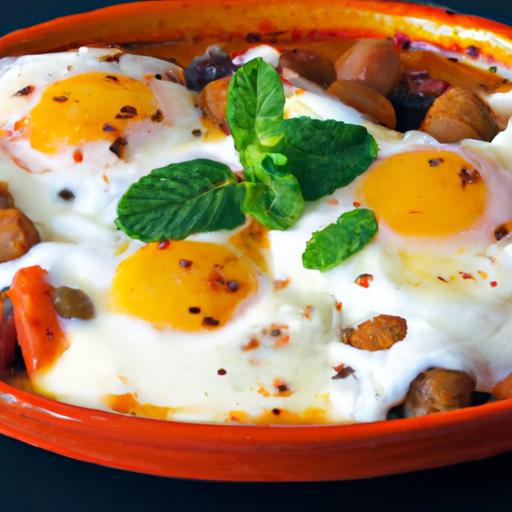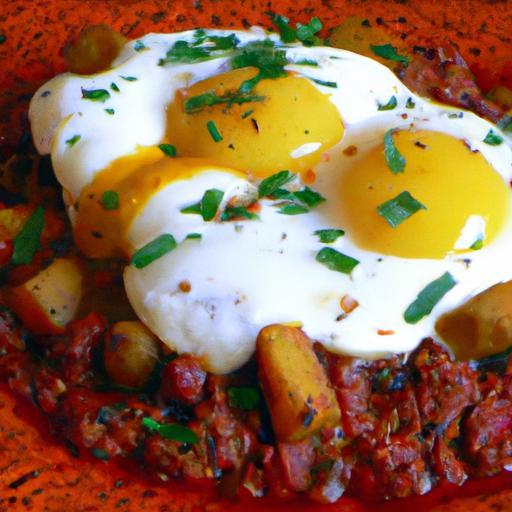
In the heart of Moroccan kitchens, where aromas weave stories of centuries-old traditions, the Kefta Tagine with Eggs stands as a vibrant emblem of family and flavor. This timeless dish marries fragrant, spiced ground meat with the comforting simplicity of gently cooked eggs, creating a harmonious blend that has resonated across generations.Beyond its rich taste, Kefta Tagine with Eggs embodies the warmth of shared meals and the art of slow-cooked perfection, inviting both seasoned food lovers and curious newcomers to experience a true Moroccan classic. Join us as we unravel the secrets behind this cherished family delight and explore why it continues to hold a special place at dining tables around the world.
Moroccan Kefta Tagine with Eggs is a dish that beautifully captures the heart of Moroccan cuisine – a vibrant tapestry of bold spices, tender meats, and comforting home-cooked traditions. Each bite tells a story of centuries-old recipes passed down through generations, where the mingling of fragrant cumin, cinnamon, and fresh herbs meets the richness of hand-formed meatballs simmered slowly and crowned with softly poached eggs. This recipe invites you to explore a timeless family delight that is as visually stunning as it is deeply satisfying.
Prep and Cook Time
- Preparation: 20 minutes
- Cooking: 30 minutes
- Total Time: 50 minutes
Yield
Serves 4 hearty portions
difficulty Level
Medium – approachable for home cooks ready to explore authentic Moroccan flavors
Ingredients
- 500g (1.1 lb) ground beef or lamb, preferably 20% fat for juiciness
- 1 small onion, finely grated
- 2 cloves garlic, minced
- 1 teaspoon ground cumin
- 1 teaspoon paprika
- ½ teaspoon ground cinnamon
- ½ teaspoon ground coriander
- ½ teaspoon cayenne pepper, optional – adjust for heat preference
- Salt and freshly ground black pepper to taste
- ½ cup fresh parsley, finely chopped
- ½ cup fresh cilantro, finely chopped
- 2 tablespoons olive oil
- 400g (14 oz) canned crushed tomatoes, or fresh peeled tomatoes, crushed
- 4 large eggs
- 1 teaspoon smoked paprika for simmering sauce (optional but recommended)
Instructions
- Prepare the kefta: In a large bowl, combine the ground meat with grated onion, garlic, cumin, paprika, cinnamon, coriander, cayenne, salt, pepper, chopped parsley, and cilantro. Mix gently but thoroughly to incorporate all spices evenly without overworking the meat. Form into small, evenly sized meatballs about 1-inch diameter.
- Sear the meatballs: Heat the olive oil in a wide, heavy-bottomed skillet or conventional tagine over medium heat. Add the kefta meatballs and brown them lightly on all sides, about 5 minutes, turning carefully to avoid breaking. Remove and set aside on a plate.
- Create the tomato base: In the same skillet, add the crushed tomatoes and smoked paprika. Stir to deglaze the pan, scraping up browned bits for extra flavor. Simmer for 10 minutes until the sauce thickens slightly and the flavors marry, seasoning with salt and pepper to taste.
- Simmer the kefta: Gently nestle the browned meatballs back into the tomato sauce. Cover and simmer on low heat for 15 minutes, allowing the kefta to cook through and absorb aromatic spices.
- Add and poach the eggs: Carefully crack the eggs over the meatballs, spacing them evenly. Cover again and cook on very low heat until the egg whites are set but yolks remain runny, about 7-10 minutes.For firmer yolks, extend by a few minutes.
- Garnish and serve: Sprinkle extra fresh herbs or a pinch of smoked paprika atop the eggs for a burst of color and aroma. Serve hot directly from the pan for a rustic appeal.
Tips for Success
- Meat choice: The balance of fat in your meat ensures tender, juicy kefta. Blend lamb and beef if desired for extra depth.
- Herb freshness: Use fresh parsley and cilantro to brighten the dish and provide an authentic Moroccan fragrance.
- Egg timing: Poaching eggs in the sauce creates a luxurious texture contrast, so watch closely to avoid overcooking.
- Make ahead note: Prepare the meatballs and sauce a day ahead and refrigerate separately. Assemble and cook the eggs when ready to serve for fresh, vibrant results.
- Spice variations: Add a pinch of ras el hanout for an extra complex Moroccan touch.
Serving Suggestions
Traditionally enjoyed with fluffy Moroccan couscous or warm, crusty bread such as khobz to soak up the rich tomato sauce. For a refreshing balance, serve alongside a simple salad of cucumber, tomato, and mint with a lemon vinaigrette. Garnish with lemon wedges to squeeze over the kefta tagine with eggs right at the table. This communal dish shines best when shared family-style, bringing everyone together around the vibrant flavors and inviting aromas.

| Nutrient | Per Serving |
|---|---|
| Calories | 380 kcal |
| Protein | 28 g |
| Carbohydrates | 12 g |
| Fat | 25 g |
For an enriched understanding of Moroccan culinary history and how spices shape its signature dishes, visit Britannica’s study on Moroccan cuisine.
Q&A
Q&A: Moroccan kefta Tagine with Eggs – A Timeless Family Delight
Q1: What exactly is Kefta Tagine with Eggs?
A1: Kefta Tagine with Eggs is a vibrant Moroccan dish featuring spiced ground meat-usually beef or lamb-shaped into small balls or loose crumbles and simmered in a rich,aromatic tomato sauce. The crowning glory is eggs gently poached right in the sauce, creating a comforting, hearty meal that’s as visually stunning as it is flavorful.
Q2: Why is this dish considered timeless in Moroccan families?
A2: This dish is a staple of Moroccan home cooking, passed down through generations for its simplicity, nourishing qualities, and robust flavors.It embodies the Moroccan spirit of communal dining, bringing families together to share a warm, fragrant meal straight from the tagine, the traditional clay pot that gives the dish its name and perfect slow-cooking environment.
Q3: What spices and herbs define the flavor profile of Kefta Tagine?
A3: The hallmark of Kefta Tagine lies in its use of classic Moroccan spices-cumin, paprika, coriander, and sometimes a hint of cinnamon-blended thoughtfully with fresh garlic and onion. cilantro and parsley add luminous herbal notes,while a touch of cayenne or harissa can introduce a subtle heat,balancing the richness of the meat and eggs.
Q4: How are the eggs cooked in the dish without breaking?
A4: The eggs are carefully cracked and nestled into small wells in the simmering tomato and meat sauce toward the end of cooking. The gentle heat from the tagine allows the eggs to poach slowly, with whites setting softly around vivid, runny yolks that meld beautifully with the sauce. Patience is key to achieving perfect, tender eggs.
Q5: Can the dish be adapted for vegetarians?
A5: While traditional Kefta Tagine centers on spiced ground meat, vegetarian versions can be crafted using plant-based proteins like lentils or textured vegetable protein seasoned similarly. Alternatively, spiced vegetable balls or mushrooms can be simmered in the tomato sauce and topped with eggs, preserving the essence of the dish’s comforting texture and warmth.
Q6: What are the best accompaniments to serve alongside Kefta Tagine with Eggs?
A6: Warm, fluffy Moroccan bread such as khobz is essential for scooping up the saucy, eggy goodness. Couscous or a simple side salad with fresh tomatoes, cucumbers, and a lemony vinaigrette also pair wonderfully, balancing the rich flavors with fresh, crisp textures.
Q7: Is Kefta Tagine with Eggs suitable for any time of the day?
A7: Absolutely! This hearty, wholesome dish is versatile enough for breakfast, lunch, or dinner. In morocco, it’s frequently enough enjoyed as a special breakfast or brunch, but its comforting depth makes it perfect for any meal that calls for something both satisfying and soul-warming.
Q8: What makes cooking Kefta Tagine with Eggs in a traditional tagine pot special?
A8: The tagine pot’s conical lid creates a steam circulation that keeps the dish moist and tender, enhancing the melding of spices, meat, and eggs. Cooking in a tagine imparts a subtle earthen aroma and ensures even heat distribution, making the texture and flavors uniquely luscious-something that’s hard to replicate with other cookware.
Q9: How can one balance the spices for someone new to Moroccan cuisine?
A9: Start with moderate amounts of cumin and paprika, and add chili or cinnamon sparingly. Moroccan cuisine celebrates layers of flavor without overwhelming heat. gradually tasting and adjusting during cooking helps reach a harmonious balance, inviting newcomers to explore without intimidation.
Q10: What cultural meaning does this dish hold beyond being a family favorite?
A10: Beyond its comforting taste, Kefta Tagine with Eggs symbolizes hospitality, tradition, and the joy of sharing. It’s a dish that embodies Moroccan warmth, patience, and culinary artistry-an edible story told around family tables that connects generations and celebrates the rich tapestry of Moroccan culture.
Concluding Remarks
As the fragrant aroma of spices fills your kitchen and the rich, savory blend of kefta and eggs simmers gently in the tagine, you’re not just preparing a meal-you’re partaking in a culinary tradition that has been cherished across Moroccan tables for generations.This timeless dish, with its harmonious balance of bold flavors and comforting textures, invites families to gather around, share stories, and create memories that linger long after the last bite. Whether you’re a seasoned cook or a curious food lover, embracing Moroccan Kefta Tagine with Eggs is more than an act of cooking; it’s a flavorful doorway into a vibrant culture and an enduring family delight. So, bring this succulent medley to your table, and let each mouthful tell a story of heritage, warmth, and togetherness.