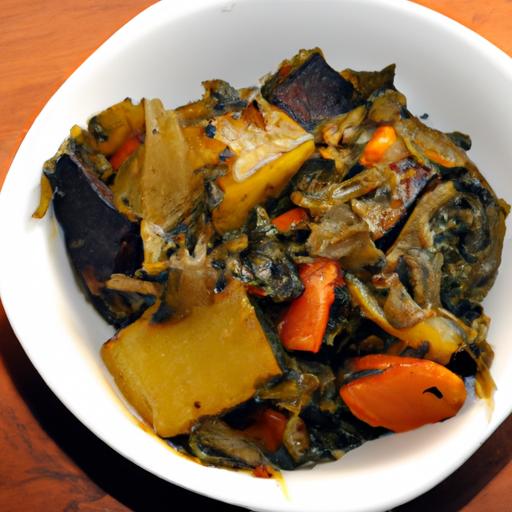
Africa’s culinary landscape is a vibrant tapestry woven from centuries of tradition, diverse cultures, and bountiful local ingredients. While often celebrated for its hearty stews and grilled meats, the continent also boasts an equally rich heritage of vegetarian dishes that burst with color, flavor, and nutrition. In “Savor Africa: Vibrant Vegetarian Recipes from the Continent,” we embark on a delicious journey through the heart of Africa’s plant-based cuisine-from the fragrant, spice-laden tagines of North Africa to the hearty grain and legume blends of West Africa, and the fresh, vegetable-forward plates of the East. Whether your a seasoned vegetarian or simply curious to explore new tastes, these recipes invite you to savor the true essence of Africa’s vibrant vegetarian tradition, where every bite tells a story of culture, history, and community.
Savor Africa: Vibrant Vegetarian Recipes from the Continent open a delicious gateway to explore the diverse and deeply cultural tapestry of African vegetarian cuisine. rooted in centuries-old traditions, these dishes frequently enough celebrate staple ingredients like hearty legumes, nutrient-rich grains, and an array of flavorful spices that bring every bite to life. My journey with African vegetarian cooking began with a fragrant bowl of West African peanut stew, whose creamy, nutty complexity left a lasting impression and ignited a passion for recreating these vibrant flavors at home.
Prep and Cook Time
Readiness: 20 minutes | Cooking: 40 minutes | Total: 60 minutes
Yield
Serves 4 hearty portions
Difficulty Level
Medium – approachable for home cooks ready to experiment with new ingredients and techniques
Ingredients
- 1 cup dried black-eyed peas, soaked overnight and drained
- 2 tbsp red palm oil (or substitute with extra virgin olive oil)
- 1 large onion, finely chopped
- 3 cloves garlic, minced
- 1 tbsp fresh grated ginger
- 2 medium tomatoes, diced
- 1 cup peanut butter (natural, unsweetened)
- 4 cups vegetable broth
- 1 small scotch bonnet pepper, seeded and chopped (adjust to taste)
- 1 tsp smoked paprika
- 1 tsp ground coriander
- 1 tsp turmeric powder
- Salt and freshly ground black pepper, to taste
- 2 cups chopped kale or collard greens
- Fresh cilantro for garnish
- Cooked millet or brown rice, for serving
Instructions
- prepare the black-eyed peas: in a large pot, cover the soaked black-eyed peas with fresh water and bring to a boil.Reduce to medium heat and simmer until tender but not mushy, about 30 minutes. Drain and set aside.
- Heat the palm oil: In a heavy-bottomed pot, warm the red palm oil over medium heat until shimmering.It will lend the stew a vibrant rusty color and authentic depth.
- Sauté aromatics: Add the chopped onion, minced garlic, and grated ginger. Sauté until the onion becomes translucent and fragrant, about 5 minutes. Stir frequently enough to prevent burning.
- Add spices and tomatoes: Stir in the smoked paprika, turmeric, ground coriander, and Scotch bonnet pepper. Cook for 2 minutes to toast the spices, then add the diced tomatoes. Cook until tomatoes break down and form a rich base, about 5-7 minutes.
- Incorporate peanut butter and broth: Whisk the peanut butter with 1 cup of vegetable broth until smooth. Pour this mixture into the pot,then add the remaining broth and cooked black-eyed peas.Stir well to combine.
- Simmer the stew: Reduce heat to low, cover partially, and let it simmer gently for 20 minutes, stirring occasionally to prevent sticking. The flavors will meld and thicken beautifully.
- Add greens: Stir in the chopped kale or collard greens.Cook uncovered for another 5 minutes until the greens soften but retain their vibrant color.
- Season and serve: Taste and adjust seasoning with salt and pepper. Serve the stew hot over cooked millet or brown rice, garnished with fresh cilantro for a pop of color and brightness.
Tips for Success
- Use red palm oil if possible to recreate the authentic, rich earthiness of West African dishes. If unavailable, extra virgin olive oil is a good alternative.
- Soaking the black-eyed peas overnight helps reduce cooking time and ensures tenderness without disintegration.
- adjust the heat by limiting or omitting the Scotch bonnet pepper,especially for those sensitive to spice,yet a little adds an unforgettable,smoky heat.
- If short on time, canned black-eyed peas can substitute-rinse them thoroughly before adding.
- The stew thickens as it cools; add a splash of vegetable broth while reheating if it seems too dense.
- This dish stores well and tastes even better the next day, making it ideal for meal prep.
serving Suggestions
Present this hearty stew in rustic clay bowls to evoke its cultural roots. Accompany with steamed millet or fragrant brown rice to soak up the luscious sauce. Garnish with vibrant green cilantro and a wedge of lime to add brightness. For an extra texture,sprinkle roasted peanuts or toasted pumpkin seeds right before serving. This dish also pairs beautifully with a side of tangy fermented vegetable relish like gari or pickled onions for balance.

Nutritional information (per serving)
| Calories | Protein | Carbs | Fat |
|---|---|---|---|
| 420 kcal | 18 g | 38 g | 20 g |
For a deeper dive into African grains and their health benefits, check out our detailed guide on plant-based nutrition with African staples.Also, explore authentic sourcing tips via reputable speciality suppliers such as Specialty Food Association.
Q&A
Q&A: Exploring “Savor Africa: Vibrant Vegetarian Recipes from the Continent”
Q1: What inspired the creation of “Savor Africa: Vibrant vegetarian Recipes from the Continent”?
A1: “Savor Africa” was born from a desire to celebrate the rich, diverse plant-based culinary heritage found across Africa’s vast regions. The continent is a treasure trove of vibrant flavors, indigenous vegetables, grains, and spices, frequently enough overshadowed by meat-centric narratives.This collection aims to spotlight vegetarian dishes that are as hearty as they are colorful, honoring tradition while inviting a new generation to savor Africa’s abundance.
Q2: How does African vegetarian cuisine differ from vegetarian dishes in other parts of the world?
A2: African vegetarian cuisine is deeply rooted in the land’s biodiversity and cultural history. Unlike some vegetarian foods that rely heavily on processed meat substitutes or dairy, African vegetarian dishes frequently enough emphasize whole, natural ingredients-think millet, sorghum, yams, leafy greens like amaranth and cassava leaves, along with bursts of chili, ginger, and tamarind. The result is a complex patchwork of textures and flavors that tell stories of climate, community, and festivity.
Q3: Which African regions are best known for their vegetarian specialties featured in the book?
A3: The book highlights a rich tapestry from east Africa’s injera and lentil stews to West Africa’s hearty groundnut soups and vibrant jollof rice variations. Southern Africa contributes with maize-based dishes like pap, paired with vegetable relishes, while North Africa brings aromatic tagines and chickpea-centric fare seasoned with warm spices. Each region offers unique ingredients and cooking styles,making African vegetarian cuisine wonderfully diverse.
Q4: Can you name a few standout ingredients that are central to african vegetarian cooking?
A4: Absolutely! Some standout ingredients include baobab leaves, moringa powder, black-eyed peas, okra, yam, fonio (an ancient grain), and fiery peri-peri peppers. These ingredients not only provide nutrition but also infuse dishes with vibrant color and flavor. Spices such as berbere from Ethiopia or ras el hanout from North Africa create aromatic layers that elevate simple vegetables and grains into unforgettable meals.
Q5: How accessible are these recipes for someone new to African cooking?
A5: The recipes in “Savor Africa” are thoughtfully designed to be approachable yet authentic. Many ingredients can be found at well-stocked supermarkets or international markets, and substitutions are suggested for hard-to-find items. The book also offers insights into customary cooking techniques, from slow simmering to unique roasting methods, empowering cooks of all levels to bring these bold flavors into their kitchens.Q6: Why focus solely on vegetarian dishes within African cuisine?
A6: Highlighting vegetarian recipes provides a fresh lens on a cuisine often associated with meat-heavy dishes, challenging stereotypes and embracing the continent’s naturally plant-rich traditions. Vegetarian African dishes showcase sustainability, nutritional wisdom, and cultural storytelling, inviting readers to appreciate the continent’s culinary ingenuity beyond protein-centric meals.
Q7: What experience can readers expect after cooking from this collection?
A7: readers can expect an immersive journey-each recipe is a portal into Africa’s landscapes,festivals,and everyday life.Cooking these dishes offers more than nutrition; it’s a celebration of community and history, flavor and creativity. Preparing these meals at home can inspire a newfound respect for Africa’s agricultural heritage and its colorful mosaic of vegetarian cuisine.
Q8: How does “Savor Africa” contribute to the growing global interest in plant-based diets?
A8: “Savor Africa” enriches the global plant-based movement by introducing vibrant, time-honored African flavors that are both nutritious and delicious. It diversifies the vegetarian repertoire beyond common Western staples and encourages sustainability through the use of indigenous ingredients. This collection invites food lovers worldwide to experience plant-based eating through the lens of Africa’s culinary artistry.Q9: Are there any easy-to-make starter recipes recommended for beginners?
A9: certainly! Dishes like spiced lentil stew served with soft injera or a refreshing avocado and tomato salad with a zingy tamarind dressing are perfect entry points. These recipes use straightforward ingredients and techniques but are bursting with authentic flavors, making them ideal for anyone beginning their exploration of African vegetarian cuisine.
Q10: How does the book address the balance of nutrition in African vegetarian meals?
A10: The recipes are thoughtfully composed to provide balanced nutrition, combining legumes, grains, and vegetables to offer ample protein, fiber, and essential vitamins. Traditional pairings like beans with maize, or leafy greens with root vegetables, showcase a natural understanding of wholesome meals passed down through generations, making every dish as nourishing as it is delicious.
Future Outlook
As we close this flavorful journey through Africa’s vibrant vegetarian cuisine, it’s clear that the continent offers more than just stunning landscapes-it serves up a rich tapestry of taste, culture, and tradition on every plate. From the fragrant spices of North Africa to the hearty greens of West Africa and the colorful stews of the South, these recipes invite you to explore a world where vegetables take center stage, celebrating nature’s bounty in the most delicious ways. So whether you’re a seasoned chef or a curious foodie, savoring africa’s vegetarian delights is not just about cooking-it’s about connecting with stories, heritage, and a zest for life that keeps these dishes alive across generations. Embrace these vibrant flavors,and let your kitchen become a gateway to the heart of africa.