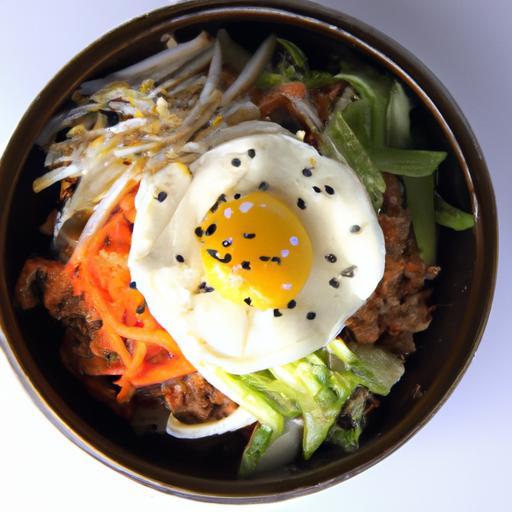
In the vibrant tapestry of Korean cuisine, few dishes capture the essence of tradition, flavor, and visual artistry as profoundly as bibimbap. This beloved bowl-a colorful mosaic of fresh vegetables, savory proteins, fragrant rice, and spicy gochujang-invites diners on a culinary journey that is as nourishing as it is delightful. In “Bibimbap Unveiled: Delicious Asian Recipes to Savor,” we peel back the layers of this iconic dish, exploring its rich history, cultural significance, and the endless variations that have made it a staple far beyond its origins. Whether you’re a seasoned foodie or a curious newcomer, prepare to discover the secrets behind bibimbap’s irresistible charm and learn how to recreate this harmonious feast in your own kitchen.
Exploring the Rich History and Cultural Significance of Bibimbap
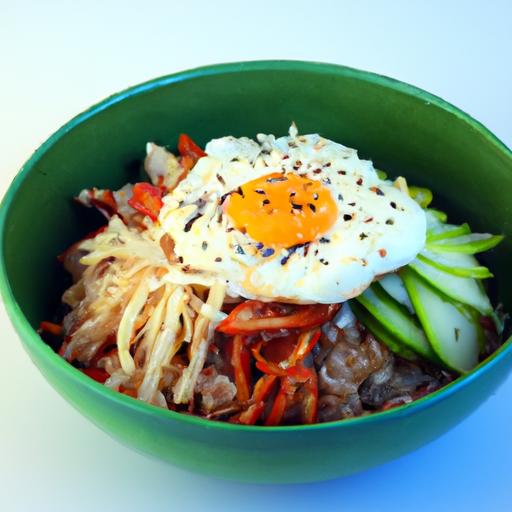
Bibimbap Unveiled: Delicious Asian Recipes to Savor begins with an introduction to one of Korea’s most iconic and beloved dishes – bibimbap. This vibrant bowl of rice adorned with an array of colorful vegetables, protein, and a perfectly runny egg is far more than just a meal; it tells a story of Korean culture, tradition, and balance. Originating from the Jeonju region during the Joseon Dynasty, bibimbap was initially a practical way to use leftover vegetables and rice, later evolving into a symbol of harmony and nourishment.
The dish’s beauty lies in its contrasting textures and flavors-nutty, crunchy, savory, and spicy-all combined harmoniously. I remember my first time savoring bibimbap at a humble street market in Seoul; the explosion of freshness and umami taught me the power of simple, thoughtful ingredients elevated to culinary art. Embracing bibimbap in your kitchen means welcoming an expressive and deeply comforting dining experiance.
Prep and Cook Time
- Planning: 30 minutes
- Cooking: 25 minutes
- Total Time: 55 minutes
Yield
- Serves 4 generous portions
Difficulty Level
- Medium – perfect for home cooks wanting to explore Asian flavors with approachable techniques
Essential Ingredients and Authentic Preparation Techniques
- 2 cups short-grain white rice, rinsed and cooked
- 1 cup spinach, blanched and squeezed
- 1 medium carrot, julienned and sautéed
- 1 zucchini, julienned and sautéed
- 100g shiitake mushrooms, thinly sliced and sautéed
- 1 cup bean sprouts, blanched
- 200g ground beef (or tofu for vegetarian option), marinated in soy sauce, garlic, and sesame oil
- 4 large eggs
- 2 tablespoons gochujang (Korean chili paste)
- 2 teaspoons sesame oil
- 2 cloves garlic, minced
- Salt and pepper, to taste
- Toasted sesame seeds, for garnish
Instructions
- Prepare the rice: Rinse the rice several times until the water runs clear. Cook according to your rice cooker or stovetop instructions. Keep warm.
- Prepare the vegetables: Blanch the spinach and bean sprouts separately in boiling salted water for 1-2 minutes. Drain and cool them, then squeeze out excess water from the spinach. Season lightly with salt, minced garlic, and a few drops of sesame oil.
- Sauté the carrots and zucchini: Heat a small amount of vegetable oil in a pan over medium heat. Add the carrot strips and sauté for 3-4 minutes until tender but still crisp. Remove, then repeat the same process for the zucchini.
- Cook the mushrooms: in the same pan, sauté sliced shiitake mushrooms with a pinch of salt and a dash of sesame oil until soft and fragrant, about 5 minutes.
- Cook the protein: Marinate the ground beef or pressed tofu with soy sauce, minced garlic, sesame oil, salt, and pepper for 10 minutes. Heat oil in a pan and cook the meat or tofu until browned and cooked through, roughly 6-7 minutes. Set aside.
- Fry the eggs: Using a separate pan, fry the eggs sunny-side up, aiming for whites set with runny yolks. The egg yolk is key to binding all the ingredients when mixed.
- Assemble the bibimbap bowls: In individual serving bowls, place a generous scoop of rice as the base. Arrange the spinach, bean sprouts, sautéed carrots, zucchini, mushrooms, and protein in neat sections around the bowl, creating a visually stunning mosaic.
- Top each bowl with a fried egg and a spoonful of gochujang. Add a drizzle of sesame oil and sprinkle with toasted sesame seeds.
- Serve instantly. Encourage diners to thoroughly mix all components before savoring the comforting medley of flavors and textures.
Chef’s Notes: Tips for success
- Use freshly cooked short-grain rice to achieve the ideal sticky texture essential for bibimbap.
- For a vegetarian or vegan version, substitute the ground beef with marinated and pan-fried tofu or tempeh, or opt for sautéed mushrooms as the main protein boost.
- if you prefer a spicier dish, increase gochujang or mix it with a bit of honey or brown sugar for a sweet-spicy harmony.
- Make-ahead tip: Prepare all vegetable banchan and the protein in advance, storing them separately in the fridge. Assemble fresh before serving for a speedy, remarkable meal.
- To add crunch, try including thinly sliced cucumber or radish kimchi on the side-this contrast elevates the textural experience.
Creative Variations to Customize Your Bibimbap Experience
one of the joys of bibimbap is its adaptability. Swap traditional vegetables for seasonal favorites like roasted sweet potatoes, grilled asparagus, or sautéed kale. For an adventurous twist, incorporate shredded chicken marinated in ginger and soy.Embrace the “stone pot” bibimbap style by serving the dish in a hot dolsot to create a crispy rice crust infused with smoky aroma, intensifying the flavor profile.
Perfect Pairings and Serving Suggestions for a Memorable Meal
Serve your bibimbap with a side of homemade kimchi to add crunch and fermented zest that perfectly complements the rich flavors.A bowl of hot miso soup or Korean seaweed soup provides soothing warmth. Garnish with fresh scallions and a sprinkle of crushed seaweed flakes for a visually luminous, enticing bowl. Add a small dish of sesame oil mixed with soy sauce for those who love to dip. For drinks, light jasmine green tea or chilled barley tea refresh the palate without overpowering the dish.

| Nutrient | Per Serving |
|---|---|
| calories | 450 kcal |
| protein | 25 g |
| carbohydrates | 55 g |
| Fat | 12 g |
Explore further Korean flavors by visiting the Maangchi Korean Cooking site, a treasure trove of authentic recipes and tips from a renowned expert.
Q&A
Q&A: Bibimbap Unveiled – Delicious Asian Recipes to Savor
Q1: What exactly is Bibimbap, and why is it so beloved in Korean cuisine?
A1: Bibimbap translates to “mixed rice” and is a vibrant Korean dish that brings together warm rice, an array of sautéed and seasoned vegetables, a savory protein, and a perfectly fried egg, all topped with gochujang-a spicy, sweet red chili paste. Its appeal lies in the harmony of textures and flavors, and also the customizable nature that invites creativity while celebrating balance and nutrition.
Q2: What are the essential components that make a classic Bibimbap?
A2: The core ingredients include steamed white rice, an assortment of colorful vegetables such as spinach, zucchini, carrots, mushrooms, and bean sprouts, a protein often from beef, chicken, tofu, or seafood, a fried egg sunny-side up, and a generous dollop of gochujang.Sesame oil and toasted sesame seeds finish the dish with fragrant notes and a subtle crunch.
Q3: How can one create a vegetarian or vegan version of Bibimbap without compromising on flavor?
A3: Swap out animal proteins for marinated tofu, tempeh, or mushrooms like shiitake or king oyster for that umami punch. use vegetable broths for seasoning and replace the egg with sliced avocado or crispy tofu skin if you prefer to go fully vegan. Don’t forget the gochujang-many brands offer vegan-friendly versions that keep the spicy kick alive.
Q4: What tips can beginners follow to assemble Bibimbap flawlessly?
A4: Prepare and season each vegetable separately to preserve distinct flavors and textures.Layer the rice at the bottom, then artistically arrange the vegetables and protein on top for a stunning presentation.The fried egg crowns the dish, and a final drizzle of sesame oil ties all the flavors together. Mix everything just before eating to enjoy the medley of tastes in every bite.
Q5: Can Bibimbap be served cold, or is it traditionally eaten hot?
A5: While traditionally served hot, allowing the sesame oil to infuse and the gochujang to melt into the rice, Bibimbap can also be enjoyed at room temperature or slightly chilled, especially during warmer months. It remains a flexible dish that adapts well to seasonal preferences without losing its essence.
Q6: Are there regional or creative variations of Bibimbap worth trying?
A6: Absolutely! Beyond the classic, there’s Jeonju Bibimbap famed for its array of ingredients and rich flavor, and Dolsot Bibimbap, served in a sizzling hot stone bowl that crisps the rice layers to golden perfection. Experiment with seasonal veggies, seafood like shrimp or squid, or add kimchi for a tangy twist. The dish’s versatility invites endless delicious innovation.
Q7: What makes gochujang such a crucial ingredient in Bibimbap? Can it be substituted?
A7: Gochujang provides the signature harmony of heat, sweetness, and savory depth that awakens the dish. Its fermented chili base adds complexity not easily replicated. If unavailable, a mix of Korean chili flakes (gochugaru), miso paste, a touch of honey or sugar, and a splash of soy sauce can mimic similar flavors, but authentic gochujang remains incomparable in Bibimbap.
Q8: How does Bibimbap reflect Korean food culture?
A8: Bibimbap embodies the Korean emphasis on balance-between flavors, colors, and nutrition. It’s a communal dish that invites sharing and conversation, rooted in traditions of making the most of available ingredients. The joyful act of mixing everything together at the table symbolizes unity and the beauty of harmony in food and life.
this Q&A aims to deepen your appreciation of Bibimbap, inspiring both novice cooks and seasoned food lovers to explore its delicious layers and cultural richness.Ready your bowls and chopsticks-it’s time to savor a true Asian classic!
Key Takeaways
As the vibrant layers of bibimbap come together-from the fresh crunch of seasoned vegetables to the rich, spicy kiss of gochujang-you’re not just tasting a dish; you’re experiencing a story steeped in tradition and flavor. Whether you’re a seasoned cook or a curious foodie, embracing bibimbap’s colorful medley invites you to savor the heart of Korean cuisine in every bite.So next time you crave a meal that’s as nourishing as it is indeed delicious,remember: bibimbap isn’t just food-it’s an edible celebration waiting to be discovered. Happy cooking, and let your taste buds embark on this unforgettable Asian culinary adventure!