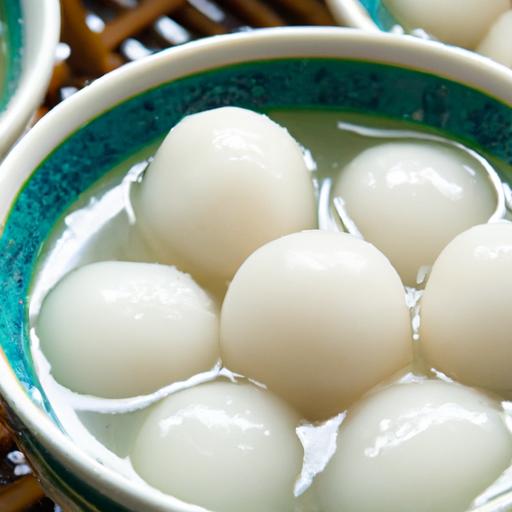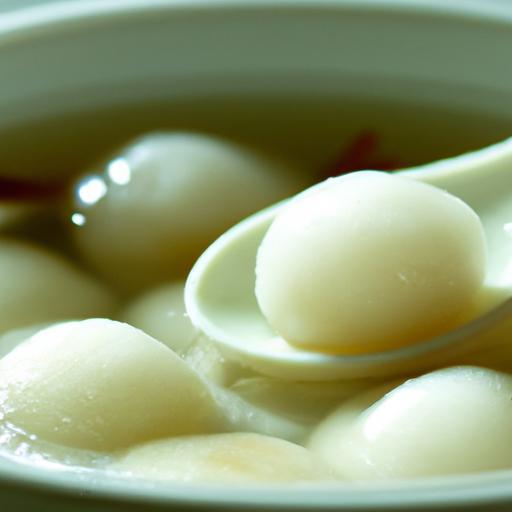
In the tapestry of chinese culinary traditions,few treats are as enchanting and steeped in symbolism as Tang Yuan-glutinous rice balls that embody warmth,reunion,and the sweet joys of life. These delicate spheres, often filled with luscious pastes or sprinkled with fragrant toppings, are much more than a dessert; they are a delicious vessel of culture and celebration. Join us as we unravel the story behind Tang Yuan, exploring its origins, variations, and the heartfelt importance that makes this humble dish a beloved staple during festivals and family gatherings alike. Whether rolled in sesame, dipped in syrup, or savored in savory broth, Tang Yuan invites us to experience a timeless tradition where every bite is a celebration of togetherness.
Tang Yuan offers a delicious gateway into Chinese culture, embodying centuries of tradition and celebration within its soft, chewy glutinous rice shells.This beloved treat isn’t just a dessert; it’s a symbol of reunion, harmony, and sweet moments shared during critically important festivities like the Lantern Festival and Winter Solstice.My first experience making Tang Yuan was a revelation-watching simple ingredients transform into these glossy, pillowy spheres filled with surprises brought a wonderful sense of warmth and creativity to my kitchen. Whether you crave the nostalgic flavors of classic black sesame or want to experiment with modern fillings,mastering Tang Yuan is a rewarding adventure that connects the palate with rich cultural roots.
Prep and Cook Time
- Preparation: 30 minutes
- cooking: 10-15 minutes
- Total Time: 45 minutes
Yield
Approximately 30 Tang Yuan (serves 6)
Difficulty Level
Medium – Requires some hands-on shaping and attention to texture
Ingredients
- 1 cup glutinous rice flour, sifted
- ½ cup warm water (adjust as needed)
- For Black sesame Filling:
- ¼ cup toasted black sesame seeds, ground finely
- 3 tbsp brown sugar
- 2 tbsp melted coconut oil or vegetable oil
- For Sweet Red Bean Paste Filling (optional):
- ½ cup smooth sweetened red bean paste
- For Peanut Filling (optional):
- ¼ cup roasted peanuts, finely ground
- 3 tbsp sugar
- 2 tbsp coconut oil
- Warm water for boiling
- Optional garnish: chopped toasted nuts or edible flowers
Instructions
- Prepare yoru filling first. For the black sesame option, mix ground sesame seeds with brown sugar and oil until it forms a moldable paste. for others, ensure the filling is firm enough to roll into small balls. Refrigerate briefly if needed.
- Make the dough: In a mixing bowl, gradually add the warm water to the sifted glutinous rice flour. Stir gently using a chopstick or spatula until combined.
- Knead the dough on a clean surface until smooth and soft but not sticky. If sticky, dust with a bit more rice flour. The dough should spring back slightly when pressed.
- Divide dough into 30 equal portions, about the size of a walnut. Flatten each into a disk in your palm.
- Place about 1 teaspoon of filling in the center of each disk.Carefully fold the edges over and pinch to seal tightly, then gently roll between your palms to form a smooth, even ball.
- Bring a large pot of water to a rolling boil. Gently drop the Tang Yuan into the boiling water, stirring occasionally to prevent sticking.
- Cook until the Tang Yuan float to the surface,then continue simmering for 2-3 minutes to ensure the filling is heated through.
- Use a slotted spoon to transfer the rice balls into serving bowls. Ladle warm sweet soup or ginger broth (see “serving Suggestions”) over the top and garnish.
Tips for Success
- Texture check: The dough should be soft and pliable but not sticky. Add water slowly and adjust flour if needed for perfect chewiness.
- Filling consistency: Make sure fillings are dense enough to hold their shape but not too dry-they should easily roll into small balls.
- Sealing the balls: Pinch tightly and smooth seams well to avoid cracks during cooking.
- Make ahead: Prepare dough and fillings separately, store wrapped for up to 1 day. assemble just before cooking for best texture.
- Flavor twists: For a modern fusion, try fillings like chocolate-hazelnut spread, sweetened coconut flakes, or mashed fresh fruit paired with honey.
Serving Suggestions
Traditionally, Tang Yuan are served in a warm, lightly sweetened ginger syrup that complements the chewy rice texture and the richness of the fillings beautifully. For a lighter touch, use a subtly infused jasmine or chrysanthemum tea broth. Garnish with a sprinkle of toasted sesame seeds or edible flower petals for a pop of color and texture. Pair your Tang Yuan with a fragrant hot tea like oolong or green tea to balance the sweetness and cleanse the palate after each bite.
For festive dinners, present your Tang Yuan in elegant ceramic bowls with a small jasmine tea pot on the side for an immersive cultural experience. Serve alongside other classic treats like tanghulu (candied fruit skewers) or mochi for a delightful assortment.
| Nutrient | Per Serving (5 Tang Yuan) |
|---|---|
| Calories | 180 kcal |
| Protein | 3 g |
| Carbohydrates | 38 g |
| Fat | 2.5 g |

Discover more customary Chinese desserts in our Chinese Desserts Guide and learn about other festive treats. For an authoritative deep dive on Chinese food culture and history, check the thorough resource at Britannica – Tangyuan.
Q&A
Q&A: Tang Yuan – Exploring the Sweet Tradition of Glutinous Rice Balls
Q1: What exactly are Tang Yuan?
A1: Tang Yuan are delightful glutinous rice balls that come in various sizes, typically served in a warm, sweet broth. Their soft, chewy texture and frequently enough sweet fillings make them a beloved treat in manny East Asian cultures, especially during festivals and family gatherings. They symbolize harmony and reunion, making them more than just a dessert-they’re a cultural icon.
Q2: where does the tradition of Tang Yuan originate?
A2: the tradition of Tang Yuan traces back to ancient China, where the round shape of these rice balls was seen as a metaphor for wholeness and unity. Over centuries, these sweet balls became an essential dish for special occasions such as the Lantern Festival and Winter Solstice, embodying wishes for family togetherness and good fortune.
Q3: what are the typical fillings used in Tang Yuan?
A3: Sweet fillings are the stars of Tang Yuan. Popular options include black sesame paste-known for its rich, nutty flavor-sweet red bean paste, and fragrant peanut butter. Some variations even include coconut or sweetened jujube paste, each adding a unique burst of taste as you bite into the chewy exterior.
Q4: Can Tang Yuan be enjoyed without fillings?
A4: Absolutely! Many Tang Yuan are made plain, allowing the natural sticky rice flavor to shine. These are often served in a sweet ginger-infused syrup or light osmanthus-flavored broth, offering warmth and aromatic comfort in every spoonful.
Q5: How are Tang Yuan traditionally prepared?
A5: It begins with glutinous rice flour mixed with water to form a pliable dough.This dough is then shaped into small balls, filled or unfilled, and gently boiled until they float to the surface-an indicator that they’re perfectly cooked. The final step is serving them in a fragrant sweet broth that complements the rice’s subtle flavor.Q6: What is the cultural significance of eating Tang Yuan?
A6: Tang Yuan aren’t just a tasty treat-they represent family unity, completeness, and happiness. During festivals like the Lantern Festival, families gather to enjoy Tang yuan together, reinforcing bonds and celebrating renewal. Each round ball symbolizes the cyclical nature of life and the hope for a harmonious year ahead.Q7: Are ther variations of Tang Yuan in other countries?
A7: Yes! While Tang Yuan originated in China, similar glutinous rice ball traditions exist in neighboring regions. In Taiwan, as a notable example, Tang Yuan are frequently enough served with savory fillings or enjoyed in a peanut soup.In Southeast Asia, variations might include coconut milk as part of the broth, showcasing the delicious adaptability of this humble dish.
Q8: Is Tang Yuan a seasonal food, or can it be enjoyed year-round?
A8: Traditionally linked to specific festivals, Tang Yuan has transcended its seasonal roots to become a year-round favorite. Its comforting texture and sweet flavors make it perfect for chilly days or any moment that calls for a little nostalgic sweetness.
Q9: Can Tang Yuan be made at home?
A9: Definitely! Making Tang Yuan at home is a fun and rewarding experience.All you need is glutinous rice flour, water, and your choice of fillings or sweet syrup. The process invites creativity, and sharing freshly made Tang yuan is a wonderful way to build joyful memories with loved ones.
Q10: What drinks or accompaniments pair well with Tang Yuan?
A10: Light, aromatic teas such as jasmine or chrysanthemum beautifully complement the simplicity and sweetness of Tang Yuan. Their floral notes enhance the experience without overpowering the delicate flavors of the rice balls, making for a harmonious dining duo.
enjoy exploring the sweet, sticky world of Tang Yuan, where every bite tells a story of tradition, family, and the timeless joy of sharing!
In Retrospect
As the final spoonful of warm, sweet Tang yuan melts on the tongue, it carries with it more than just flavors-it carries centuries of tradition, celebration, and togetherness. These little glutinous rice balls, whether filled or plain, symbolize unity and harmony, reminding us that food is frequently enough the sweetest bridge between past and present. So next time you find yourself savoring tang Yuan, take a moment to appreciate the rich history and cultural warmth wrapped inside each tender bite. In exploring this cherished treat,we not only taste a dessert but also connect with a timeless story that continues to bring people closer,one glutinous ball at a time.