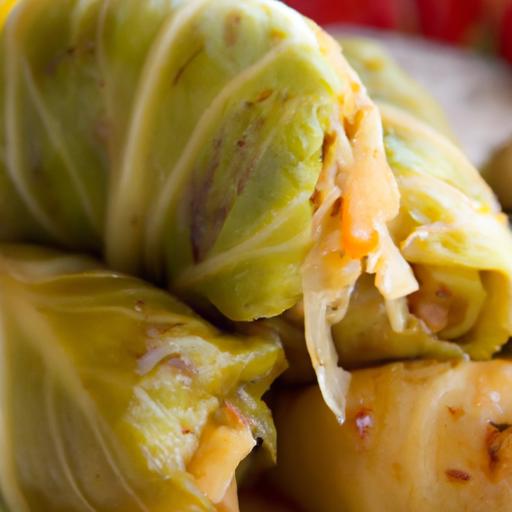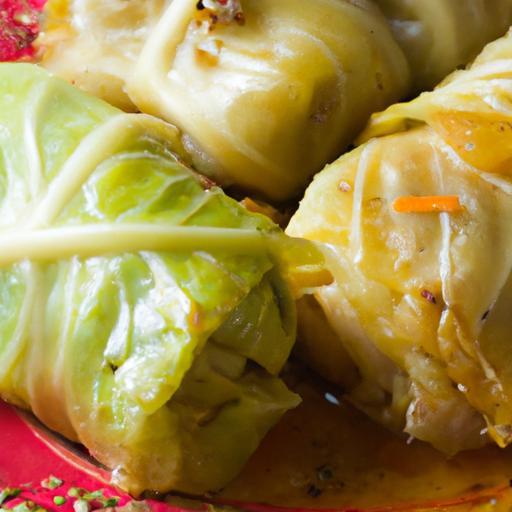
Nestled within the heart of Romanian cuisine lies a dish that tells a story of heritage, warmth, adn celebration: the beloved stuffed cabbage, or “sarmale.” This culinary treasure, wrapped in tender leaves and bursting with savory fillings, has been a symbol of comfort and tradition for generations. From bustling family gatherings to festive holiday tables, Romanian stuffed cabbage transcends mere sustenance, inviting us to explore a rich tapestry of history and flavor. In this article,we unravel the layers of this timeless delight-examining its origins,unique ingredients,and the cultural meaning that makes sarmale a cherished cornerstone of Romanian identity.
Origins and Cultural Significance of Romanian Stuffed Cabbage
Romanian stuffed cabbage has long been a cherished comfort food, weaving together history, tradition, and flavors that tell a story of resilience and hospitality.Rooted deeply in Eastern European culinary heritage,this dish-known locally as sarmale-symbolizes family gatherings,festive celebrations,and the warmth of home cooking. Traditionally prepared during holidays and special occasions, these tender cabbage leaves generously filled with a savory blend evoke memories of multi-generational kitchens bustling with love and laughter. The recipe’s origins trace back centuries, blending Ottoman influences with Romanian rural ingenuity, resulting in a layering of flavors that captures the essence of the region’s pastoral life. Today, Romanian stuffed cabbage continues to be a beacon of cultural pride, inspiring cooks worldwide to recreate its delightful balance of hearty and nuanced tastes.
Prep and Cook Time
- Preparation Time: 45 minutes
- Cook Time: 2 hours
- Total Time: 2 hours 45 minutes
Yield
Serves 6-8 people generously
Difficulty Level
Medium – Ideal for cooks comfortable with rolling and simmering techniques
Crafting the Perfect Filling: Ingredients and Flavor Combinations
Creating the ideal filling is the heart of this romanian culinary treasure. the classic combination melds ground beef and rice with fragrant aromatics and spices, resulting in a taste profile that is both comforting and layered. Adding finely diced onions sautéed until translucent introduces natural sweetness, while subtle hints of smoked paprika, black pepper, and thyme bring warmth and depth without overpowering the palate. Fresh herbs, such as dill or parsley, contribute a vibrant finish, cutting through the richness. For a twist, incorporating mushrooms or lentils can add a delightful earthy note that keeps the dish fully vegetarian-friendly if desired. The secret lies in balancing moisture and seasoning, ensuring the filling remains tender inside the cabbage leaves during slow cooking, infusing every bite with an authentic, homemade flavor.
Ingredients
- 1 large head green cabbage, leaves separated carefully
- 1 lb (450 g) lean ground beef
- 1 cup long-grain white rice, rinsed
- 1 large onion, finely chopped
- 2 cloves garlic, minced
- 2 tbsp tomato paste
- 1 tsp smoked paprika
- 1 tsp dried thyme
- ½ cup fresh parsley, chopped
- 1 tsp salt, adjusted to taste
- ½ tsp freshly ground black pepper
- 2 tbsp vegetable oil
- 4 cups vegetable broth
- 1 cup crushed tomatoes
- 1 bay leaf
- 1 tbsp lemon juice (optional, to brighten flavors)
Step-by-Step Guide to Preparing authentic Romanian Stuffed Cabbage
- Prepare the cabbage leaves: Bring a large pot of salted water to a boil. Carefully separate the leaves and blanch them for 2-3 minutes each until pliable. Drain and set aside to cool, trimming thick veins for easier rolling.
- Sauté the aromatics: Heat vegetable oil in a skillet over medium heat. Add the chopped onion and minced garlic, sautéing until soft and translucent, about 5 minutes. Remove from heat and let cool slightly.
- Combine the filling: In a large bowl, mix ground beef, rinsed rice, sautéed onions and garlic, tomato paste, smoked paprika, thyme, parsley, salt, and pepper. Stir gently until well incorporated.
- Roll the sarmale: Place about 1-2 tablespoons of filling near the base of each cabbage leaf. Fold the sides tightly over the filling and roll upwards, creating neat little parcels.Repeat until all filling is used.
- Layer the rolls in the pot: In a heavy-bottomed pot, place a few torn cabbage leaves as the base layer to prevent sticking. Arrange the cabbage parcels snugly in layers,stacking them as needed.
- add the cooking liquid: Mix vegetable broth, crushed tomatoes, bay leaf, and lemon juice. Pour over the stuffed cabbage to just cover. Place a plate on top to keep the rolls submerged.
- Simmer slowly: Bring to a gentle simmer over medium heat.Reduce heat to low,cover,and cook for about 2 hours,ensuring flavors meld and rice becomes tender.
- Rest before serving: Let the sarmale sit off the heat for 15 minutes to settle and intensify flavors.
Chef’s Notes: Tips for Success
- Choosing cabbage: Opt for fresh, firm cabbage heads with large leaves that hold well when rolled.
- Rice texture: Rinse rice thoroughly to remove excess starch, preventing the filling from becoming gummy.
- Meat alternatives: Ground turkey or chicken can be substituted to lighten the dish.
- make-ahead: Stuffed cabbage can be assembled a day ahead and refrigerated, allowing flavors to deepen before cooking.
- Freezing: Cooked sarmale freeze well; cool wholly before freezing in airtight containers.
Serving Suggestions and Pairing Tips for a Memorable Meal
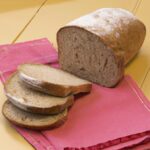
Serve Romanian stuffed cabbage hot, accompanied by a dollop of thick, creamy sour cream or a tangy garlic sauce to enhance the savory depth. Sprinkle fresh chopped dill or parsley for a vibrant pop of color and herbal brightness. Pair the dish with robust rye bread or homemade polenta to soak up the rich tomato-based broth. For a traditional touch, include pickled vegetables such as beets or cucumbers, which provide a crisp, acidic counterpoint. A refreshing cucumber salad dressed with vinegar and dill complements the meal perfectly. To complete the dining experience, enjoy a mild herbal tea or sparkling mineral water. This harmony of textures and flavors turns every bite into a celebration of Romanian culinary heritage.
| Nutrient | Per Serving |
|---|---|
| Calories | 320 kcal |
| Protein | 25 g |
| Carbohydrates | 28 g |
| Fat | 12 g |

For more authentic Eastern European recipes,explore our Traditional Russian Borscht article or visit Britannica’s page on sarmale to dive deeper into its rich history.
Q&A
Q&A: Unveiling Romanian Stuffed Cabbage: A Traditional Delight
Q1: What is Romanian stuffed cabbage, and why is it considered a traditional delight?
A1: Romanian stuffed cabbage, known locally as sarmale, is a cherished dish featuring tender cabbage leaves lovingly wrapped around a flavorful mixture of rice, vegetables, and seasoned meats such as beef or lamb. This hearty comfort food has been a staple of romanian kitchens for centuries, embodying the warmth of family gatherings and festive celebrations.Q2: What makes the filling of Romanian stuffed cabbage unique?
A2: The magic of the filling lies in its rustic simplicity and harmonious flavors. Typically, minced beef or lamb is combined with fragrant rice, finely chopped onions, aromatic herbs like dill and thyme, and gentle spices such as paprika and black pepper. this blend results in a filling that’s both savory and comforting, capturing the essence of Romanian countryside cooking.
Q3: How are the cabbage leaves prepared for stuffing?
A3: Properly preparing the cabbage leaves is essential. The outer leaves of a large cabbage head are gently separated and blanched in boiling water until pliable. This softening process ensures the leaves can be easily rolled without tearing and will yield a tender texture once cooked.
Q4: what is the traditional cooking method for Romanian stuffed cabbage?
A4: Once filled and carefully rolled, the cabbage parcels are tightly packed into a large pot, often layered with slices of smoked vegetables or tomato sauce to enhance flavor and moisture. They are then slow-cooked over low heat for several hours, allowing the flavors to meld beautifully and the cabbage to become melt-in-your-mouth tender.
Q5: Are ther vegetarian versions of Romanian stuffed cabbage?
A5: Absolutely! Vegetarian sarmale replaces the meat with hearty mushrooms, legumes, or a medley of grains combined with rice and aromatic herbs. This variation preserves the soul of the dish, showcasing how versatile and inclusive Romanian cuisine can be.
Q6: What occasions are Romanian stuffed cabbage traditionally served?
A6: Sarmale grace many Romanian tables during significant holidays such as Christmas and Easter, as well as family celebrations and community gatherings. The dish’s hearty nature and communal preparation make it a symbol of togetherness and cultural pride.
Q7: How is Romanian stuffed cabbage typically enjoyed at the table?
A7: Traditionally, the stuffed cabbage parcels are served warm, often accompanied by a dollop of sour cream or a sprinkle of fresh dill. This creamy addition enhances the dish’s richness and adds a refreshing tang that complements the savory filling.
Q8: Why is Romanian stuffed cabbage crucial to Romanian culinary heritage?
A8: Beyond its delicious taste, Romanian stuffed cabbage represents a culinary tradition passed down through generations, connecting people to the land, their ancestors, and each othre. It reflects the ingenuity of using seasonal and accessible ingredients to create a dish that is both nourishing and celebratory.
Closing Remarks
As the final folds of the cabbage leaf envelop the rich, savory filling, Romanian stuffed cabbage reveals itself not just as a dish, but as a story-a tapestry woven from history, culture, and family traditions. Each bite invites you to savor centuries of culinary heritage, where simple ingredients transform into a beloved national treasure. Whether shared at festive gatherings or enjoyed on a quiet evening, this hearty delight stands as a testament to Romania’s warm and enduring spirit. So next time you encounter a plate of sarmale, remember: you’re not just tasting food, but savoring a legacy steeped in love and tradition.