In the vibrant tapestry of Asian cuisine, few dishes capture the heart adn palate quite like bibimbap. A harmonious blend of colors, textures, and flavors, bibimbap is more than just a meal-it’s a festivity of tradition, balance, and nourishment. Whether you’re a seasoned foodie or a curious newcomer, diving into the world of bibimbap offers an authentic taste of Korea’s rich culinary heritage. In this article, we’ll explore delightful recipes that bring this iconic dish to life, guiding you step-by-step to savor bibimbap’s wholesome goodness right in your own kitchen. Get ready to embark on a flavorful journey where every bite tells a story.
Exploring the Rich History and Cultural Importance of Bibimbap
Bibimbap Delights: authentic Asian Recipes to Savor Today begins our journey with one of Korea’s most treasured dishes. Bibimbap, meaning “mixed rice,” is a vibrant celebration of flavors and textures, rooted deeply in Korean culture and history. Originating as a practical way to combine leftover vegetables and rice, it has as evolved into an artful expression of harmony and balance-each colorful ingredient symbolizing nature’s bounty and nutritional diversity.Traditionally enjoyed during the harvest season or ancestral rites, bibimbap also represents unity and togetherness, inviting everyone to mix and savor each bite collaboratively.
mastering the Art of Ingredient Selection for Authentic Flavors
At the heart of authentic bibimbap lies fresh, high-quality ingredients that honor time-honored Korean culinary values. the emphasis on balance encourages a variety of vegetables-such as julienned carrots, spinach, shiitake mushrooms, and bean sprouts-each lightly sautéed or blanched to retain vibrant color and a delicate crunch. The star protein is usually ground beef or tofu in vegetarian versions, marinated in Korean staples like soy sauce, garlic, and sesame oil to impart depth and umami. The signature addition, gochujang (Korean chili paste), brings a perfect balance of heat and sweetness, elevating the dish with its fiery yet nuanced kick. Choosing sticky short-grain rice is crucial-it acts as the canvas for these ingredients, binding the flavors into a satisfying bowl.
Prep and Cook Time
- Preparation Time: 30 minutes
- Cooking Time: 25 minutes
- Total Time: 55 minutes
Yield
Serves 4 hearty portions
Difficulty Level
Medium – perfect for confident beginners willing to explore layered cooking techniques
ingredients
- 2 cups short-grain white rice, cooked and kept warm
- 1 cup fresh spinach, blanched and squeezed dry
- 1 cup bean sprouts, blanched
- 1 medium carrot, julienned
- 1 cup shiitake mushrooms, sliced
- 1/2 lb (225g) ground beef (or firm tofu, crumbled for vegetarian)
- 3 cloves garlic, minced
- 2 tbsp soy sauce, divided
- 1 tbsp sesame oil, plus extra for garnish
- 1 tbsp vegetable oil
- 1 tsp sugar
- 4 large eggs
- 1/4 cup gochujang (Korean chili paste)
- 1 tbsp toasted sesame seeds
- Optional: sliced cucumber, pickled radish, seaweed strips for garnish
Step-by-Step Guide to Crafting the Perfect Bibimbap Bowl
- Prepare the rice: Cook the short-grain rice according to package instructions, then keep it warm. The sticky texture is essential for blending flavors.
- Blanch vegetables: Quickly blanch spinach and bean sprouts in boiling water for 1-2 minutes,drain,and squeeze out excess water. Season each separately with a pinch of salt and a few drops of sesame oil to boost savoriness.
- Sauté carrots and mushrooms: Heat vegetable oil in a skillet over medium heat. Sauté carrots for 3 minutes until slightly softened. Add mushrooms and cook 4-5 minutes until tender and fragrant, seasoning with 1 tsp soy sauce.
- Cook ground beef or tofu: In a separate pan, heat sesame oil over medium heat.Add minced garlic and sauté until aromatic (about 30 seconds). Add beef or tofu and stir frequently until cooked through. Season with 1 tbsp soy sauce and sugar,stirring to combine well.
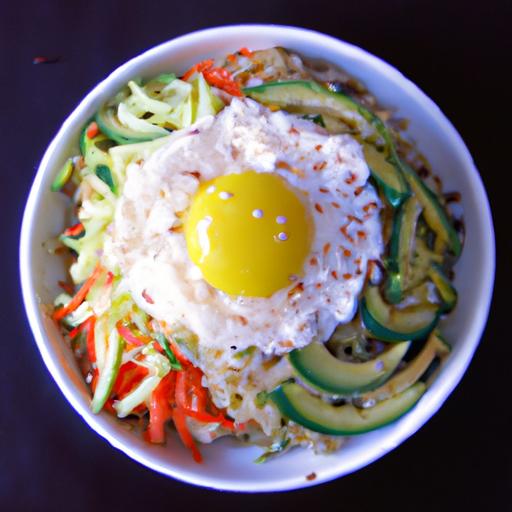
- Fry eggs: In a non-stick skillet, fry eggs sunny side up with slightly runny yolks-this richness enhances the final mixture.
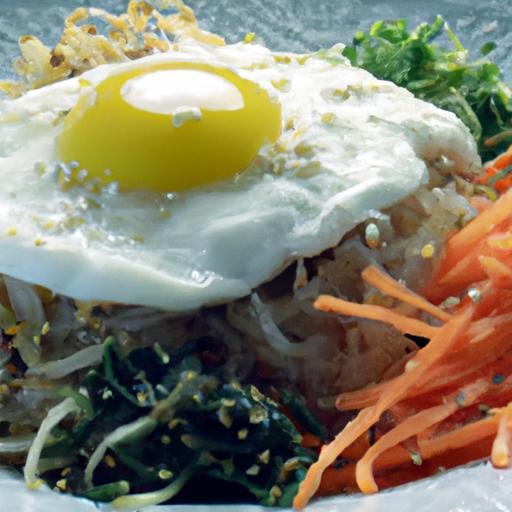
- Assemble your bowl: In individual serving bowls, place a generous scoop of warm rice at the bottom. Neatly arrange each prepared vegetable and the cooked beef or tofu in sections around the bowl in an eye-catching rainbow pattern. Position the fried egg on top.
- Add finishing touches: Drizzle a spoonful of gochujang over the egg or serve on the side for guests to customize heat. Sprinkle with toasted sesame seeds and a few drops of sesame oil for aromatic depth.
- Mix and enjoy: Bibimbap is all about the experience-encourage mixing everything thoroughly before each mouthful to meld flavors and textures harmoniously.
Creative Variations and Serving Tips to Elevate Your Meal
Embrace the versatility of this beloved dish by experimenting with alternative ingredients or presentation styles. Substitute beef with ground chicken or tempeh for different protein dynamics. For a vegan feast, replace the egg with crispy pan-fried tofu slices or a smoky grilled portobello mushroom cap. Consider roasting vegetables like zucchini or bell pepper for added smokiness. For an appealing presentation, serve bibimbap in hot stone bowls (dolsot), which create a delightful crispy rice crust and keep the meal warm.
Enhance your meal pairing with a simple side of kimchi or a light broth soup. Garnish with crunchy cucumber ribbons, nori strips, or a sprinkle of fresh scallions to add fresh layers. Remember that color balance is key: the brighter and more varied your vegetables, the more visually appetizing and nutritionally rich your bibimbap delights will be!
tips for Success
- Use fresh vegetables to retain crunch and vitamins; avoid overcooking to keep vibrant colors.
- When cooking proteins, do not overcrowd the pan to ensure even browning and flavor growth.
- Adjust gochujang to taste-its intensity varies by brand, so start with a small amount and increase as preferred.
- Make components ahead of time and assemble just before serving for convenience.
- Warm the serving bowls slightly to prevent the rice from cooling too quickly.
Nutritional Information (per serving)
| Calories | Protein (g) | Carbohydrates (g) | Fat (g) |
|---|---|---|---|
| 520 | 28 | 65 | 15 |
Discover more authentic Korean dishes hear to complement your bibimbap delights. For deeper cultural insight on bibimbap and Korean cuisine, visit The Korea Herald.

Q&A
Q&A: Exploring the Flavors of Bibimbap Delights
Q1: What is Bibimbap, and why is it considered a quintessential Korean dish?
A: Bibimbap, which translates to “mixed rice,” is a vibrant and nourishing Korean dish renowned for its harmony of colors, textures, and flavors. Traditionally, it consists of warm rice topped with an array of sautéed and seasoned vegetables, a fried egg, and gochujang (fermented chili paste). Its beauty lies in the balance-each ingredient playing a role to create a satisfying and wholesome meal that’s both comforting and visually stunning.
Q2: Are there key components that define an authentic Bibimbap?
A: Absolutely! Authentic Bibimbap boasts a foundation of perfectly cooked white or short-grain rice, an assortment of fresh vegetables like spinach, bean sprouts, carrots, and shiitake mushrooms, plus a savory element such as marinated beef (bulgogi) or tofu for vegetarians. A crucial finishing touch is a fried egg on top, which when mixed in, gently binds everything together.The dish is seasoned with sesame oil and topped with gochujang to bring that iconic spicy-sweet kick.
Q3: How can a home cook recreate an authentic bibimbap experience in their kitchen?
A: Start with fresh, quality ingredients to layer your bowl with color and nutrition. Prep vegetables individually-season and cook each so their flavors shine. Use a non-stick pan to fry the egg with a runny yolk, which creates a luscious sauce when stirred in.Don’t be shy with sesame oil; its nuttiness is key. Most importantly, serve with plenty of gochujang on the side so each diner can adjust the heat to taste. the joy comes from mixing everything just before eating!
Q4: What creative variations can be explored while staying true to Bibimbap’s essence?
A: There’s plenty of room for creativity! Try swapping the conventional beef for marinated mushrooms or grilled tempeh as a plant-based option. Experiment with seasonal vegetables-think roasted sweet potatoes or sautéed kale.For a fun twist, serve Bibimbap in a warm stone bowl (dolsot) to get that irresistible crispy rice crust at the bottom. Just remember to keep the harmony of texture and taste you love.
Q5: How does Bibimbap reflect Korean culture and values?
A: Bibimbap beautifully embodies Korean culinary beliefs-balance, respect for natural flavors, and an appreciation of vibrant, wholesome ingredients. It’s a communal dish, often shared among family and friends, which reflects the culture’s emphasis on togetherness and harmony. The iconic mix also symbolizes unity in diversity, reminding us that different elements, when combined thoughtfully, create something nourishing and unforgettable.Q6: Can Bibimbap be a healthy meal option without compromising on taste?
A: Definitely! Bibimbap is naturally balanced, packed with fiber-rich vegetables, protein sources like tofu or lean beef, and carbohydrates from the rice. Seasonings like sesame oil and gochujang offer depth without excess calories, and the inclusion of an egg adds wholesome fats and nutrients. It’s a dish that satisfies cravings and fuels the body – a perfect example of comfort food meeting mindful eating.
Whether you’re new to Korean cuisine or a seasoned foodie, Bibimbap invites you to savor a colorful, appetizing journey-a true delight for the senses and soul.
Wrapping Up
as the vibrant colors of bibimbap come together in a harmonious bowl, so too does the rich tapestry of Asian culinary tradition unfold before your senses. Whether you’re a seasoned chef or a curious food lover, these authentic recipes invite you to savor not just a meal, but a story steeped in culture, flavor, and history. So gather your ingredients, embrace the artistry of layering textures and tastes, and let each bite transport you to the heart of Asia’s beloved kitchens. Bibimbap is more than food-it’s an experience waiting to be shared, one delicious spoonful at a time.