In a world where food is as much an art form as it is sustenance, Buddha bowls have emerged as vibrant canvases of health and harmony. These colorful, nutrient-packed meals are more than just a trend-they’re a festivity of balance, flavor, and mindful eating. “Buddha Bowls Unveiled: A Colorful Guide to Nourishment” invites you on a journey through the origins,ingredients,and creative possibilities behind this wholesome phenomenon.Whether you’re a seasoned plant-based eater or simply curious about boosting your daily nutrition, this guide will illuminate how assembling a bowl of thoughtfully layered goodness can nourish both body and soul with every bite.
buddha Bowls Unveiled: A Colorful Guide to Nourishment unlocks the secrets behind crafting the ultimate bowl that delights both the palate and the eye. This vibrant, nutrient-rich meal is a celebration of balance-harmonizing fresh textures and bold flavors through carefully chosen ingredients and well-crafted dressings. Whether you’re seeking a wholesome lunch or a nourishing dinner, this guide reveals how to transform simple components into a culinary masterpiece.
Prep and Cook Time
Planning: 15 minutes | Cooking: 20 minutes | Total: 35 minutes
Yield
Serves 2 generous Buddha Bowls
Difficulty Level
easy to Medium
Ingredients
- 1 cup cooked quinoa (for a protein-packed, fluffy base)
- 1 cup kale leaves, destemmed and thinly sliced
- 1 medium sweet potato, peeled and cubed
- 1/2 cup red cabbage, shredded for crunch and color
- 1/2 avocado, sliced
- 1/4 cup cooked chickpeas, lightly roasted
- 1 tablespoon chia seeds (optional superfood boost)
- 1 tablespoon pumpkin seeds, toasted
- 1/4 cup shredded carrots
- 1 tablespoon extra virgin olive oil
- Salt and pepper, to taste
for the Dressing:
- 3 tablespoons tahini
- 1 tablespoon lemon juice, freshly squeezed
- 1 teaspoon maple syrup
- 1 garlic clove, minced
- 2-3 tablespoons warm water, to smooth consistency
- Salt and pepper, to taste
Instructions
- Roast the sweet potato cubes. Preheat oven to 400°F (200°C). Toss the sweet potatoes with 1/2 tablespoon olive oil, salt, and pepper.Spread evenly on a baking sheet. Roast about 20 minutes until tender and caramelized, flipping once halfway through for an even color.
- Prepare the kale. While the sweet potatoes roast,massage the kale with a pinch of salt and 1/2 tablespoon olive oil in a large mixing bowl to soften its texture and reduce bitterness.Set aside to rest.
- Toast the pumpkin seeds and roast chickpeas. In a dry skillet over medium heat, toast pumpkin seeds until fragrant (about 3 minutes). Separately, roast chickpeas with a pinch of smoked paprika and sea salt in the same oven alongside the sweet potatoes for 10 minutes.
- cook the quinoa. If not pre-cooked, rinse and simmer quinoa in 2 cups water until fluffy (about 15 minutes). Fluff with a fork and season lightly.
- Make the dressing. In a small bowl,whisk tahini,lemon juice,maple syrup,and minced garlic. Gradually add warm water to reach a creamy yet pourable consistency. Season with salt and pepper.
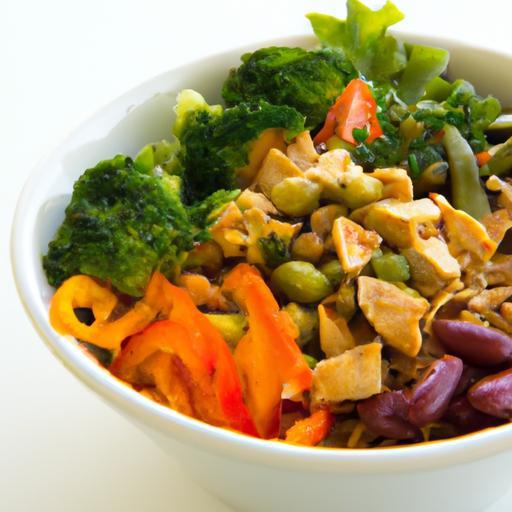
- Assemble the bowls. Divide the quinoa base between two bowls. Arrange kale, roasted sweet potatoes, shredded cabbage, carrots, avocado slices, roasted chickpeas, and toasted pumpkin seeds artistically atop the quinoa. Sprinkle chia seeds evenly for an added nutritional pop.
- drizzle dressing. Generously drizzle the tahini dressing over each bowl. Serve promptly or refrigerate up to 24 hours for later enjoyment, adding avocado fresh when ready to serve for best texture.
Tips for Success
- Ingredient Variety: Swap kale for baby spinach or arugula for a milder green. Experiment with grains like farro or brown rice to vary flavors and textures.
- Make Ahead: Roast sweet potatoes and cook quinoa in bulk for quicker weekday assembly. Keep wet ingredients separate for best freshness.
- Textural contrast: Don’t skip the crunchy seeds or raw cabbage; they add a delightful crunch that complements creamy avocado and soft quinoa.
- Dressing Tip: Adjust the lemon juice and maple syrup to your preferred tang and sweetness balance to perfectly elevate your Buddha bowl experience.
- Protein Boost: For extra plant protein, add grilled tofu cubes or hemp seeds.
Serving Suggestions
Present your Buddha bowls in wide, shallow bowls to showcase layers of color and textures. Garnish with fresh herbs like cilantro or parsley for brightness and a pinch of toasted sesame seeds for an Asian-inspired twist. Pair these bowls with a crunchy whole-grain flatbread or a tall glass of cold-pressed green juice for a complete, refreshing meal.

| Nutrient | Per Serving |
|---|---|
| Calories | 480 kcal |
| Protein | 15 g |
| Carbohydrates | 58 g |
| Fat | 18 g |
For more inspiration on wholesome bowls,check out our Nourishing Grain Bowls with Seasonal Ingredients guide. To deepen your knowledge about superfoods and their benefits, visit Healthline’s Superfood Guide.
Q&A
Q&A: Buddha Bowls Unveiled: A Colorful Guide to Nourishment
Q1: What exactly is a Buddha Bowl?
A1: A Buddha Bowl is a vibrant, wholesome meal typically served in a single bowl, artfully combining a rainbow of fresh vegetables, whole grains, plant-based proteins, and nutrient-packed toppings. It’s a visual and flavorful celebration of balanced nourishment designed to energize both body and soul.
Q2: Why are Buddha Bowls so popular in modern eating?
A2: Buddha Bowls appeal becuase they are highly customizable, nutrient-dense, and aesthetically pleasing. They provide a convenient way to enjoy a balanced meal brimming with vitamins, minerals, fiber, and plant-based proteins.Plus, their colorful presentation naturally encourages eating a variety of whole foods, which supports overall health.Q3: How do you build the perfect Buddha Bowl?
A3: Think of your buddha Bowl as a canvas: start with a base of whole grains like quinoa,brown rice,or millet. Add a generous portion of fresh or roasted vegetables for crunch and color.Include a hearty protein element such as chickpeas, tofu, tempeh, or legumes. top it all off with seeds, nuts, herbs, and a drizzle of flavorful dressing. The key is balance, variety, and vibrancy.
Q4: What makes the name “Buddha Bowl” meaningful?
A4: The term “Buddha Bowl” is believed to reference the balanced, mindful eating ideology often associated with Buddhist traditions. The bowls are typically abundant yet harmonious – symbolic of generosity and contentment. Another theory is that the shape of a full, rounded bowl resembles the belly of the Buddha, representing fullness and satisfaction.
Q5: Can Buddha Bowls accommodate different dietary preferences?
A5: Absolutely! Buddha Bowls are incredibly versatile, making them perfect for vegan, vegetarian, gluten-free, and even paleo diets.You can swap grains for cauliflower rice, choose your favorite plant proteins, or vary veggies based on seasonal availability. The bowl’s adaptability ensures everyone can enjoy a nourishing feast tailored to their tastes and needs.
Q6: How can incorporating Buddha Bowls benefit one’s health?
A6: Buddha Bowls encourage the consumption of whole, minimally processed foods, which supports digestive health, sustained energy, and nutrient diversity. Their plant-forward focus provides antioxidants, fiber, and healthy fats that can reduce inflammation and regulate blood sugar. Plus, the mindful act of assembling and enjoying a Buddha Bowl can cultivate a healthier relationship with food.
Q7: what are some creative toppings and dressings that elevate Buddha Bowls?
A7: Toppings like toasted sesame seeds, crunchy pumpkin seeds, fresh sprouts, sliced avocado, or a sprinkle of nutritional yeast can add texture and flavor bursts. Dressings infused with tahini,lemon juice,miso,or ginger introduce layers of taste that complement the bowl’s core ingredients – turning every bite into a delightful adventure.
Q8: Can Buddha Bowls be prepared ahead of time?
A8: Yes,many components like grains and roasted vegetables can be made in advance and stored separately. Assemble your bowl just before eating to maintain freshness, especially for leafy greens and delicate toppings. This makes Buddha Bowls a practical, nourishing option for busy lifestyles without sacrificing quality or taste.
This Q&A invites readers to explore Buddha Bowls as a joyful, balanced way to nourish their bodies with colorful, wholesome ingredients, all while embracing mindful eating and creativity.
Future Outlook
As we close the vibrant pages of our journey through Buddha Bowls, it’s clear that these colorful creations are much more than just a meal-they’re a celebration of balance, nourishment, and mindful eating. Each bowl tells a story, blending textures, flavors, and nutrients into a harmonious whole that fuels both body and soul. So next time you assemble your own buddha Bowl, remember: you’re crafting a canvas of wellness, one colorful ingredient at a time. Here’s to embracing vibrant health and savoring every bite of life’s nourishing energy.