Peanuts-small, humble, and unassuming-have woven themselves deep into the culinary tapestry of Africa, transcending borders and traditions with their rich, nutty flavor. From the spicy, aromatic stews simmering over open fires in West Africa to the delightful, sweet treats enjoyed by children and adults alike, peanuts hold a cherished place on plates across the continent. In this exploration of Africa’s best peanut recipes, we journey through vibrant kitchens and bustling markets to uncover the versatile ways this simple legume transforms both savory and sweet dishes. whether ground into velvety sauces or caramelized into decadent confections, peanuts tell a story of culture, history, and ingenuity-one delicious bite at a time.
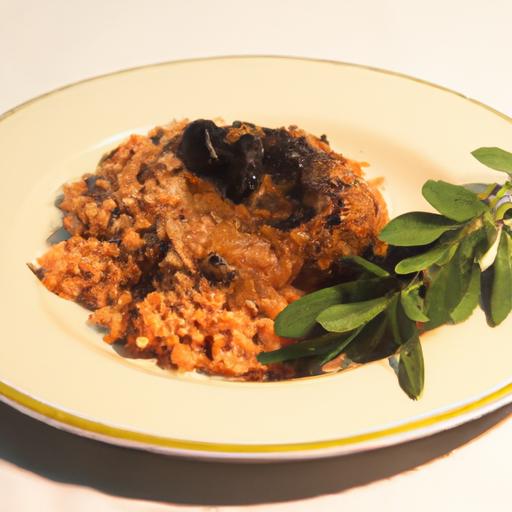
Savory and Sweet: Exploring Africa’s Best Peanut Recipes unravels the timeless cultural tapestry woven through peanuts-an ingredient cherished not only for its rich,nutty flavor but for its deep-rooted significance in African kitchens. From vibrant street markets in West Africa to festive celebrations in East Africa, peanuts play a starring role in transforming everyday meals into unforgettable culinary experiences.I recall my first encounter with a steaming bowl of groundnut stew in Ghana’s bustling Accra,where the creamy,earthy peanut sauce instantly became a comforting symbol of home and community. This exploration invites you to indulge in savory masterpieces and decadent customary sweets that celebrate peanuts in all their glory.
Prep and Cook Time
- Preparation Time: 20 minutes
- Cook Time: 40 minutes
- Total Time: 1 hour
Yield
- serves 6 generous portions
Difficulty Level
- Medium – Perfect for adventurous home cooks ready to explore authentic African cuisine
Ingredients
- 2 cups raw peanuts (preferably skin-on for intensity, roasted if preferred)
- 1 large onion, finely chopped
- 4 cloves garlic, minced
- 1-inch piece of fresh ginger, grated
- 2 medium tomatoes, diced (or 1 cup canned crushed tomatoes)
- 1 large sweet potato, peeled and cubed
- 1 red bell pepper, chopped
- 1-2 dried chili peppers, deseeded (optional for heat)
- 4 cups vegetable broth
- 2 tbsp palm oil or sunflower oil
- Salt and freshly ground black pepper, to taste
- 1 tbsp peanut butter (smooth or chunky, unsweetened)
- Fresh cilantro or parsley, chopped for garnish
- 1 tbsp lemon juice or tamarind paste (to brighten flavors)
Instructions
- Roast or blanch the peanuts: If using raw peanuts, roast them lightly in a dry pan over medium heat, stirring frequently enough until fragrant and slightly golden, about 5-7 minutes. Let cool, then peel skins off if preferred for a smoother finish.
- Prepare the peanut paste: Blend the roasted peanuts in a food processor until a coarse, crumbly paste forms. For a creamier consistency, add a splash of water or vegetable broth, blending until smooth but still textured.
- Heat the oil: In a large, heavy-bottomed pot, warm the palm or sunflower oil over medium heat. Add the chopped onions and sauté until translucent and fragrant, about 5 minutes.
- Add aromatics: Stir in the garlic, ginger, and dried chili peppers. cook for another 2 minutes until the raw smell dissipates, stirring frequently to prevent burning.
- Incorporate tomatoes and peppers: Add diced tomatoes and chopped red bell pepper. Sauté until the mixture thickens slightly and the tomatoes break down, approximately 8-10 minutes.
- Add sweet potatoes and broth: Stir in cubed sweet potatoes and pour in vegetable broth. bring the mixture to a gentle boil, then lower heat and simmer until the sweet potatoes are tender, about 15 minutes.
- Mix in peanut components: Gradually whisk in the prepared peanut paste and peanut butter, stirring continuously to avoid lumps. allow the sauce to thicken and meld with the vegetables, simmering for 10 more minutes on low heat.
- Season to taste: Add salt, black pepper, and lemon juice or tamarind paste to balance richness with acidity. Adjust seasoning as desired.
- Serve and garnish: Remove from heat,ladle into bowls,and sprinkle generously with chopped cilantro or parsley to add a fresh herbal note and vibrant color.
Tips for Success
- Peanut Prep: Using freshly roasted peanuts enhances flavor drastically-avoid store-bought pre-roasted for better depth.
- Smooth vs. Chunky: Adjust peanut paste texture based on your preference. For a luxuriously smooth stew, blend extra with a little water; for rustic bite, keep it coarse.
- Make-Ahead: This dish tastes even better the next day as flavors deepen-store refrigerated up to 3 days or freeze in airtight containers.
- Vegetarian/Vegan Pleasant: Use vegetable broth and oil, steering clear of animal fats to maintain authentic plant-based richness.
- Spice Variations: Add smoked paprika or fresh habanero for a smoky or fiery kick.
Serving Suggestions
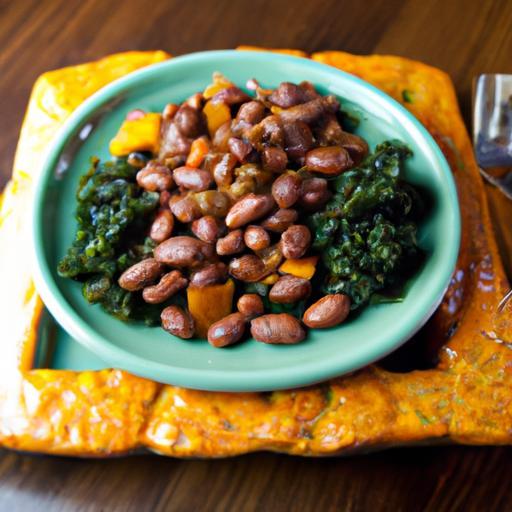
Present your peanut stew alongside fluffy steamed jasmine rice or soft ugali (maize porridge) for a comforting African-inspired meal. For added texture contrast,serve with sautéed greens such as collard or kale. Garnish with a wedge of lime and whole roasted peanuts sprinkled on top to elevate visual appeal and flavor layers.A side of pickled vegetables or spicy chutney complements the rich,creamy stew beautifully.

| Nutrient | Per Serving |
|---|---|
| Calories | 350 kcal |
| Protein | 14 g |
| Carbohydrates | 30 g |
| Fat | 18 g |
For more authentic African culinary delights, explore our collection of traditional African stews and soups.To deepen your knowledge of peanut cultivation and its global significance, visit the Food and Agriculture institution’s peanut resources.
Q&A
Q&A: Savory and Sweet – exploring Africa’s Best Peanut Recipes
Q1: Why are peanuts so important in African cuisine?
A1: Peanuts,also known as groundnuts,are a staple across many African countries. Beyond their nutritional value-packed with protein, healthy fats, and essential vitamins-they serve as a versatile ingredient that enhances both savory and sweet dishes. Their rich,earthy flavor lends depth and creaminess,making them a beloved backbone in traditional recipes.
Q2: What are some classic savory peanut dishes from Africa?
A2: One iconic dish is West Africa’s famous peanut stew, often called maafe or groundnut soup. This hearty, aromatic stew blends tomatoes, onions, various vegetables, and peanuts into a luscious sauce, typically served with rice, fufu, or cassava. In East Africa, peanuts are also ground into sauces that accompany grilled meats and vegetables, imparting a distinct nutty richness.Q3: How do African chefs incorporate peanuts in sweet dishes?
A3: Peanuts star in many African sweets and snacks. For instance, crunchy peanut brittle infused with hints of ginger or cardamom is a popular treat. In some regions, peanuts are mixed into sugary cakes, puddings, or even combined with honey and coconut to create delightful confections. this marriage of sweet and nutty flavors showcases peanuts’ culinary flexibility.
Q4: Are there any unique cooking techniques used with peanuts in African recipes?
A4: Absolutely. Peanuts are often roasted or dry-toasted to amplify their aroma before being ground into pastes or powders. this roasting process intensifies their flavor and enhances texture. In savory stews, peanut paste is stirred into the sauce late in cooking to create a creamy consistency without curdling.In sweets, peanuts are chopped coarsely or ground finely depending on the desired bite or smoothness.
Q5: Can peanut recipes from Africa be easily adapted for home cooks elsewhere?
A5: Definitely! Many African peanut dishes rely on accessible ingredients like tomatoes, onions, peppers, and greens, which are widely available. Even if some traditional ingredients aren’t at hand, the core combination of peanuts with fresh produce and spices can be recreated with pantry staples. The key is to balance flavors-sweet, savory, smoky-and adjust consistency to personal preference.
Q6: What role do peanuts play in cultural or communal dining experiences in Africa?
A6: Peanuts often represent abundance and sharing. As peanut dishes are hearty and flavorful, they are commonly prepared for family gatherings, celebrations, and communal meals. their rich texture encourages slow eating and conversation, promoting togetherness. In some cultures, peanut snacks are offered as hospitality tokens to guests.
Q7: Are there any health benefits to including peanuts in your diet, as seen through the lens of African culinary traditions?
A7: Yes. African cuisines naturally integrate peanuts as an energy-dense food that supports active lifestyles, especially in rural areas. The protein and healthy fats in peanuts contribute to sustained energy, while associated ingredients like leafy greens and spices add vitamins and antioxidants. Consuming peanuts in traditional dishes strikes a beautiful balance between nourishment and indulgence.
Q8: Which spices or flavorings are commonly paired with peanuts in African cooking?
A8: Peanuts harmonize beautifully with warm spices like ginger,garlic,chili,cumin,and coriander. Tomato and onion bases provide acidity and sweetness, while fresh herbs like cilantro or parsley add brightness. Sometimes, smoky elements such as smoked chili peppers or charred vegetables complement peanut dishes, deepening the overall profile.
Exploring Africa’s peanut recipes opens a door to vibrant flavors and hearty tradition-where the humble nut transforms into culinary gold, whether savoring a spicy stew or enjoying a sweet, crunchy treat.
Future Outlook
From the bustling street markets of West Africa to the cozy kitchens scattered across the continent, peanuts have proven themselves as more than just a humble snack-they are a vibrant thread woven into the rich tapestry of African cuisine. Whether roasted and salted for a savory crunch or blended into luscious, sweet confections, peanuts offer a unique versatility that celebrates both tradition and innovation.As you explore these beloved recipes, you not only taste the flavors of Africa but also experience a culinary journey that honors heritage and creativity. So next time you reach for a peanut dish,remember: you’re savoring a story that spans generations,cultures,and a continent bursting with delicious possibilities.