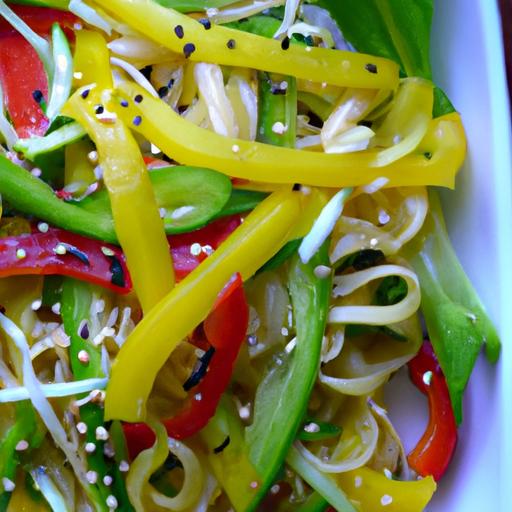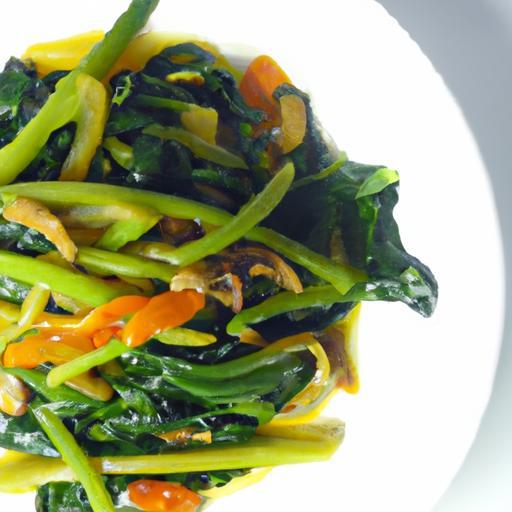
Step into a world where every bite bursts with color, aroma, and flavor-welcome to Savor Asia: Vibrant Vegetarian recipes to Spice Your Day. Asia’s rich culinary tapestry is renowned not only for its bold spices and intricate techniques but also for its unbelievable variety of plant-based dishes that celebrate freshness and vitality. Whether you’re a dedicated vegetarian or simply looking to add some exciting new flavors to your meals, this journey will introduce you to vibrant recipes that honor tradition while igniting your palate. From tangy Thai salads to hearty Indian curries and fragrant Japanese bowls, discover how Asian vegetarian cuisine can transform everyday ingredients into unforgettable experiences that enliven your kitchen and nourish your soul.
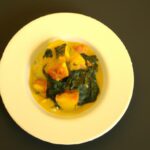
Savor Asia: Vibrant Vegetarian Recipes to Spice Your Day invites you to journey through the fragrant kitchens of Asia,where customary spices and plant-based ingredients merge to create dishes bursting with flavor and depth. Today’s feature celebrates the mastery of aromatic Asian spice blends in a wholesome vegetarian curry that perfectly balances heat, sweetness, and umami-a hearty homage to centuries-old culinary storytelling.
Prep and Cook Time
- Preparation: 15 minutes
- Cooking: 30 minutes
- Total Time: 45 minutes
Yield
Serves 4 generous portions
Difficulty Level
Medium – suitable for intermediate cooks eager to experiment with authentic Asian spices
Ingredients
- 1 tbsp coconut oil
- 1 medium onion,finely chopped
- 3 garlic cloves,minced
- 1 tbsp fresh ginger,grated
- 2 tsp cumin seeds
- 1 tsp coriander seeds,crushed
- 1 tsp turmeric powder
- 1 tsp ground cinnamon
- 1 tsp garam masala
- 1/2 tsp chili flakes (adjust to taste)
- 2 medium carrots,diced
- 1 cup cubed butternut squash
- 1 can (400 ml) coconut milk
- 1 can (400 g) chickpeas,drained and rinsed
- 2 cups fresh spinach leaves
- Salt and black pepper,to taste
- Fresh cilantro,chopped – for garnish
- Steamed jasmine rice or warm naan,for serving
Instructions
- Heat the coconut oil in a large skillet or wok over medium heat until shimmering.Add the cumin seeds and crushed coriander seeds, toasting gently until fragrant, about 1 minute.
- Sauté the chopped onion until translucent and slightly golden, approximately 5 minutes. Stir frequently to avoid burning.
- Add the minced garlic and grated ginger, cooking for 2 minutes until aromatic, stirring constantly.
- Blend in the turmeric,cinnamon,garam masala,and chili flakes. Stir for 30 seconds to toast the spices, unlocking their essential oils and intensifying flavors.
- Add the diced carrots and butternut squash, coating them thoroughly with the spice mixture. Cook for 5 minutes, stirring occasionally.
- Pour in the coconut milk, bringing the curry to a gentle simmer. Allow it to cook uncovered for 15 minutes, or until the vegetables are tender and the sauce has thickened slightly.
- Stir in the chickpeas and fresh spinach. cook until the spinach wilts, about 3 minutes. Season the curry with salt and freshly ground black pepper to taste.
- remove from heat and let the curry rest for 5 minutes for the flavors to meld beautifully.
- Serve over steamed jasmine rice or with warm naan, garnished generously with chopped cilantro for a fresh, herbal finish.
Tips for Success
- Spice Blend Mastery: For an even more authentic taste, toast whole spices in a dry pan before grinding them fresh. This deepens flavor complexity.
- Vegetable Variations: Feel free to swap butternut squash for sweet potatoes or add bell peppers for extra color and crunch.
- Creaminess Control: Adjust the thickness of the curry by adding a splash of vegetable broth if too thick,or simmer longer to reduce.
- Make-Ahead: The curry intensifies after a day in the fridge and reheats beautifully, making it perfect for meal prepping.
- Heat Adjustment: Modify chili flakes to your preferred spice level-omit for mild or add fresh chopped chilies for a fiery kick.
Serving Suggestions
This vibrant vegetarian curry dazzles when paired with fluffy steamed jasmine rice or soft, warm naan bread, providing a comforting base that soaks up every drop of the sauce. Garnish with fresh cilantro leaves and a wedge of lime to add brightness. For an extra layer of texture, sprinkle toasted cashews or sliced green onions. Complete your meal with a lightly dressed cucumber salad or pickled vegetables to balance the richness and enhance the overall experience.

| Nutrient | Per Serving |
|---|---|
| Calories | 320 kcal |
| Protein | 12 g |
| Carbohydrates | 40 g |
| Fat | 14 g |
To deepen your exploration of vibrant vegetarian cooking inspired by Asia, check out our detailed guide on plant-based Asian cooking techniques. For expert spice knowledge, the Spices Inc blog offers an excellent resource on mastering spice blends.
Q&A
Q&A: Savor Asia – Vibrant Vegetarian Recipes to Spice Your Day
Q1: What makes Asian vegetarian cuisine uniquely vibrant and flavorful?
A1: Asian vegetarian cuisine thrives on a harmonious blend of bold spices, fresh herbs, and diverse cooking techniques that awaken every sense. Think bright ginger and zesty lemongrass balancing earthy mushrooms, or the fiery kick of chili paired with the subtle sweetness of coconut milk.It’s this intricate dance of textures and flavors that brings every dish to life, creating vibrant plates that are as tasty as they are nourishing.
Q2: how can I incorporate authentic Asian flavors into my vegetarian cooking at home?
A2: Start by exploring essential pantry staples such as soy sauce, miso paste, tamarind, fresh garlic, and aromatic spices like star anise and turmeric.Layering these in your dishes-be it a stir-fry, noodle bowl, or curry-builds a depth of flavor that sings with authenticity. Don’t forget fresh herbs like Thai basil or cilantro to add brightness just before serving. Experimentation and fresh ingredients are your best allies.
Q3: Are there any specific Asian vegetables that are perfect for vegetarian recipes?
A3: Absolutely! Vibrant vegetables like bok choy, napa cabbage, water spinach, shiitake mushrooms, eggplant, and daikon radish are staples that bring both texture and flavor to Asian vegetarian dishes. Manny of these veggies soak up flavorful sauces beautifully, making them ideal for stir-fries, soups, or braises.
Q4: What are some quick and easy Asian vegetarian dishes I can try on busy weeknights?
A4: One-pot wonders like Thai basil tofu stir-fry, Japanese miso soup with silken tofu and seaweed, or a fragrant coconut curry with mixed vegetables are fantastic options. These meals require minimal prep but don’t skimp on taste, packing a punch of flavor and satisfying even the busiest schedule.
Q5: How do spices enhance vegetarian Asian cooking without overwhelming delicate ingredients?
A5: Spices in Asian cuisine are masterfully balanced to enhance rather than overpower. They are frequently enough toasted or infused slowly to release subtle nuances, allowing the natural flavors of vegetables and legumes to shine through. Such as,a pinch of cumin or a dash of white pepper can add warmth and complexity,while fresh chili lends a lively heat that can be modulated to taste.
Q6: Can Asian vegetarian recipes be adapted for gluten-free diets?
A6: Definitely! Many Asian dishes are naturally gluten-free when you swap traditional soy sauce with tamari or coconut aminos. Ingredients like rice noodles, jasmine rice, and fresh vegetables keep dishes inherently gluten-friendly. Just be mindful of packaged sauces and seasoning blends, checking labels to ensure they fit your dietary needs.
Q7: How does vegetarian Asian cuisine support a healthy lifestyle?
A7: asian vegetarian dishes are frequently enough rich in fiber, vitamins, and antioxidants thanks to their colorful array of plant-based ingredients. many recipes emphasize minimally processed foods and light cooking techniques like steaming and stir-frying, preserving nutrients.Plus, the thoughtful use of herbs and spices not only adds flavor but can promote digestion and overall wellness.Q8: What is a staple cooking technique in Asian vegetarian recipes that beginners should master?
A8: Stir-frying is an essential technique to master. it involves cooking ingredients quickly over high heat, locking in freshness and texture.Using a wok or a heavy skillet, you can swiftly toss vegetables and tofu with aromatic spices and sauces, creating a dish that’s both vibrant and nutrient-packed in minutes.It’s a technique that invites creativity and can be adapted with whatever vegetables you have on hand.
Q9: What role do legumes and plant-based proteins play in Asian vegetarian cuisine?
A9: legumes such as lentils, mung beans, and chickpeas, along with soy-based products like tofu, tempeh, and edamame, serve as hearty protein sources that complement vegetable-forward dishes. They add satisfying texture and body, making meals both filling and balanced. Their versatility allows them to take on a myriad of flavors-from rich curries to tangy salads.
Q10: Where can I find inspiration to keep exploring Asian vegetarian cooking?
A10: Dive into cookbooks dedicated to regional Asian cuisines, watch food documentaries, or follow chefs and food bloggers who specialize in plant-based Asian cooking. Visiting local Asian markets can also spark creativity, allowing you to discover new vegetables, spices, and condiments that elevate your culinary repertoire. The journey is delicious-one vibrant dish at a time!
In Summary
As we close the chapter on these vibrant vegetarian delights, remember that savoring Asia’s rich culinary tapestry is more than just a meal-it’s an experience of culture, color, and creativity on your plate. Whether you’re a seasoned plant-based eater or just beginning to explore, these recipes invite you to spice your day with wholesome ingredients and bold flavors that tell stories from every corner of the continent. So, grab your chopsticks, embrace the aromatic spices, and let each bite transport you to a world where vegetarian cooking shines brilliantly-vibrant, flavorful, and endlessly inspiring. Your next delicious adventure awaits!