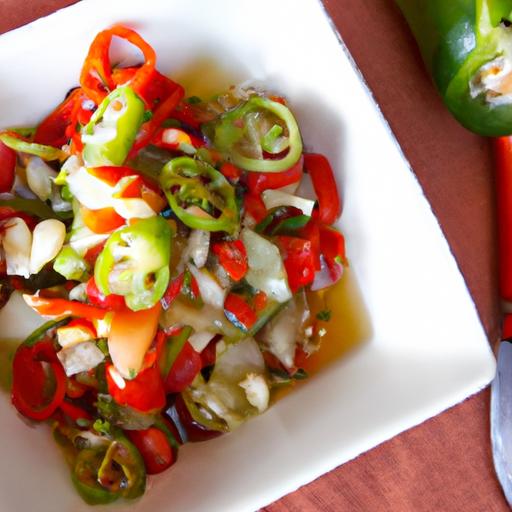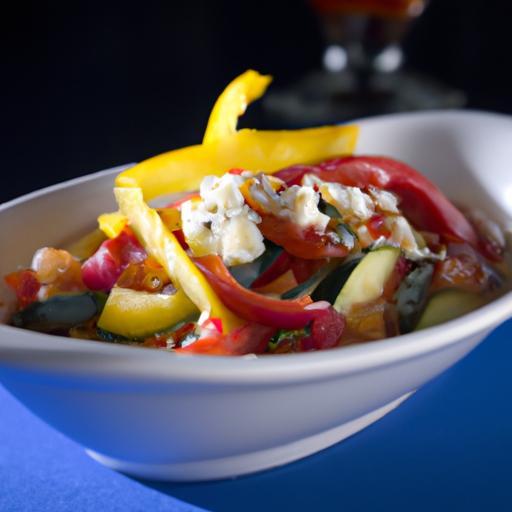
Beneath the vibrant tapestry of South America lies a culinary treasure that ignites the senses and colors the plates of millions-the fiery globe of chili. More than just a spice, chili peppers are woven into the very fabric of culture, history, and tradition, transforming ordinary dishes into bold celebrations of flavor. In this exploration, we will journey through the pungent heat and rich stories behind chili peppers, uncovering the science that fuels their burn, the regional nuances that shape their taste, and the cultural importance that makes them a beloved icon from farm to table. Welcome to a world where fire meets flavor, and every bite tells a story.
The Fiery Globe of Chili flavors comes alive in this vibrant and soul-warming Chili-Infused Smoky Black Bean Stew, a beloved dish inspired by the rich traditions of Central and South America. This recipe showcases the bold intensity and layered complexity of regional chili varieties, marrying heat and earthiness in a sumptuous stew that comforts and excites alike.
My initial encounter with this stew was during a sun-drenched market visit in Oaxaca, Mexico, where smoky chipotle and fiery guajillo chilies created a seductive aroma that lingered over colorful stalls. Recreating this dish at home has become a joyful party of chili’s unmistakable spirit-an homage to the Fiery globe of Chili that connects culinary cultures with a fragrant, spicy embrace.
Prep and Cook Time
- Prep Time: 15 minutes
- Cook Time: 40 minutes
- Total Time: 55 minutes
Yield
Serves 4 hearty portions
Difficulty Level
Medium – approachable but requires some attentive layering of flavors
Ingredients
- 2 dried chipotle chilies, stemmed and seeded
- 2 dried guajillo chilies, stemmed and seeded
- 3 cups vegetable broth, hot
- 2 tbsp extra virgin olive oil
- 1 large yellow onion, finely chopped
- 4 garlic cloves, minced
- 1 tsp ground smoked paprika
- 1 tsp ground cumin
- 2 medium carrots, diced
- 1 red bell pepper, diced
- 2 cups cooked black beans (canned or soaked overnight)
- 1 tbsp tomato paste
- Salt and freshly ground black pepper, to taste
- Juice of half a lime
- Fresh cilantro leaves, chopped, for garnish
- 1 avocado, sliced, for garnish (optional)
- Cooked brown rice or warm corn tortillas, for serving
Instructions
- Soften the chilies: Place the dried chipotle and guajillo chilies in a small heatproof bowl and pour hot vegetable broth over them. Let soak for 15 minutes until softened.
- Blend the chili base: Transfer chilies along with soaking liquid to a blender. Add tomato paste and blend to a smooth, fiery paste. Adjust consistency with broth if needed.
- Sauté the aromatics: In a large pot, heat olive oil over medium heat. Add onion and garlic; sauté until translucent and fragrant, about 5 minutes.
- Build the flavor: Stir in smoked paprika and cumin; sauté for 1 minute to release spices’ aromas.
- Vegetables join the party: Add diced carrots and red bell pepper. Cook, stirring occasionally, until tender, about 7 minutes.
- Pour in the chili paste: Add the blended chili mixture to the pot.Stir thoroughly, allowing the flavors to marry over medium heat for 3 minutes.
- add the beans: Gently fold in cooked black beans. Pour in any remaining soaking liquid or additional vegetable broth to desired stew consistency.
- Simmer: Reduce heat to low, cover partially, and cook for 15-20 minutes. Stir occasionally to prevent sticking.
- Season and brighten: Taste and season with salt and pepper. Stir in fresh lime juice to balance richness with brightness.
- Serve and garnish: Ladle hot stew over brown rice or alongside warm corn tortillas.Top with chopped cilantro and avocado slices for a creamy contrast.
Tips for Success
- Adjust the heat: For milder stew,reduce chipotle amount or remove seeds entirely. For a deeper smoky flavor without excessive heat, emphasize guajillo chilies.
- Make ahead: The stew flavors deepen after a day, so prepare in advance and store refrigerated. Reheat gently to preserve textures.
- Bean substitute: Use pinto beans or kidney beans for different texture but similar flavor profiles.
- Smoky tweaks: Add a small splash of smoked paprika or a chipotle chile powder during the cooking for extra depth.
- Fresh herbs: Alongside cilantro, finely chopped green onions or a sprinkle of fresh oregano work beautifully as garnishes.
Serving Suggestions
This stew dazzles as a warming main, perfect with fluffy brown rice to soak in every drop of its velvety sauce. Warm corn tortillas offer a rustic scoop, bringing a satisfying hand-held experience to the table. Garnish with vibrant cilantro and creamy avocado for freshness and balance, and add a wedge of lime on the side to brighten each hearty bite.

| Nutrient | Per Serving |
|---|---|
| Calories | 320 kcal |
| Protein | 15 g |
| Carbohydrates | 45 g |
| Fat | 7 g |
Explore more regional chili pepper varieties to deepen your culinary adventures, or discover the fascinating health benefits of chili via this authoritative study.
Q&A
Q&A: The Fiery Globe of Chili: Flavors, Facts, and Culture Explored
Q1: What makes chili a beloved dish across the globe?
A1: Chili’s global appeal lies in its vibrant fusion of heat, heartiness, and heritage. From the smoky aroma of slow-simmered spices to the bold interplay of textures, chili delivers a comforting yet fiery punch that warms the soul and ignites the palate. It’s a dish that unites cultures, adapts to endless ingredient possibilities, and tells stories of tradition with every bite.
Q2: How did chili originate,and how has it evolved over time?
A2: chili’s roots trace back to the American Southwest and northern Mexico,where indigenous peppers and local ingredients shaped its early forms. Over centuries,it evolved through cultural exchanges – incorporating beans,tomatoes,and regional meats – blurring lines between spicy stew and cultural symbol. Modern versions now span the globe, each reflecting unique local flavors yet preserving that essential fiery spirit.
Q3: What are some essential flavors and spices that define an authentic chili?
A3: the essence of chili stems from a dynamic blend of chili peppers-such as ancho, chipotle, and cayenne-balanced by cumin’s earthy warmth, garlic’s pungency, and a touch of smoky paprika. Onion, oregano, and sometimes a hint of cinnamon or cocoa deepen the complexity, creating layers of flavor that build heat and savoriness without overwhelming.
Q4: Can chili be both spicy and versatile in flavor?
A4: Absolutely! Chili is a masterclass in balance. While its hallmark is spiciness, skillful cooks blend it with sweet tomatoes, rich beans, and mellow corn to cultivate depth and dimension. Mild,medium,or wild-fire hot,chili welcomes tweaks in spices and ingredients that can either soothe fiery heat or amplify it-making it a canvas for culinary creativity.
Q5: How do different cultures incorporate chili into their cuisines?
A5: Chili transcends borders, finding new identities in diverse culinary traditions. In the American Southwest, it’s a hearty meal of beans and beef; in India, chili powers curries filled with spices and vegetables; in Thailand, it enlivens tangy, coconut-based stews. Each culture respects chili’s fiery heart while weaving in locally beloved ingredients,enriching the global panorama of flavor.
Q6: What are some popular chili variations that showcase its cultural diversity?
A6: From Texas chili con carne-celebrating beef and bold spice-to vegetarian chili packed with beans, corn, and peppers, options abound. In New mexico, green chili shines with roasted hatch chiles and tender chicken or turkey. Meanwhile, Cincinnati chili adds a unique blend of spices served over pasta, highlighting how chili can be lovingly reinvented without losing its essence.
Q7: How can a home cook master the art of chili?
A7: Patience and layering are key. Start with quality ingredients: fresh onions, ripe tomatoes, and a thoughtful selection of dried or fresh chilies. Sear your protein well, build a rich spice base by toasting and blooming spices, then simmer gently to meld flavors. Taste and adjust as you go-balancing heat, acidity, and texture-until the pot sings with harmony.
Q8: Besides being a hearty meal, what cultural role does chili play?
A8: Chili is a social catalyst, a celebratory dish that brings people together at festivals, cook-offs, and family tables. It embodies a sense of place and pride, frequently enough linked to regional identity and history.Sharing chili is sharing warmth, community, and a love for bold flavors that spark conversation and camaraderie.
Q9: What are some creative non-meat ingredients to include in chili?
A9: Beans-black, kidney, pinto-are classic, but sweet potatoes, quinoa, lentils, and mushrooms add hearty, nutritious depth while absorbing spice beautifully. Roasted vegetables like bell peppers, corn, and zucchini bring texture and sweetness, balancing the heat and creating satisfying vegetarian or vegan feasts full of flavor.
Q10: How does chili balance nutrition with flavor?
A10: Chili is a powerhouse of nutrients-protein-rich beans, fiber from vegetables, and antioxidant-packed peppers-all simmered into one pot of deliciousness. The spices not only awaken the taste buds but may aid digestion and metabolism, making chili a flavorful, comforting, and nourishing dish that warms both body and spirit.
Final Thoughts
As the last ember of flavor lingers on the palate, the fiery globe of chili reveals itself as more than just a spice-it’s a vibrant tapestry woven from history, culture, and bold taste. From ancient seeds nurtured by indigenous hands to the sizzling dishes that ignite tables worldwide, chili peppers continue to captivate and challenge our senses. Whether you seek the thrill of heat or the richness of tradition, the story of chili peppers invites you to explore a world where flavor burns shining and culture runs deep. So next time you savor that spicy bite,remember: you’re tasting centuries of passion,resilience,and culinary artistry packed into one small,fiery globe.