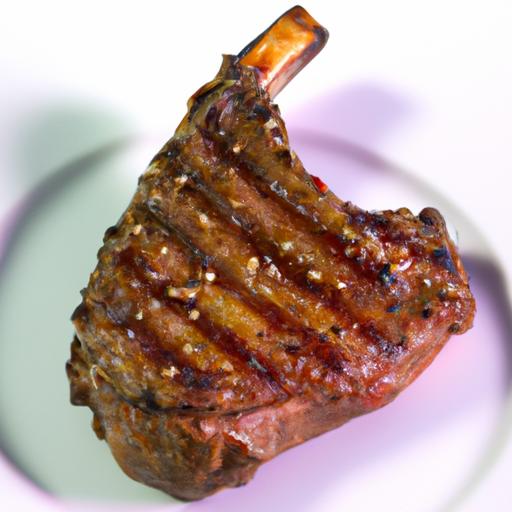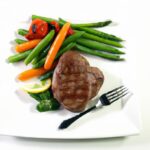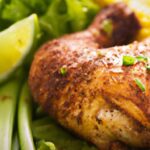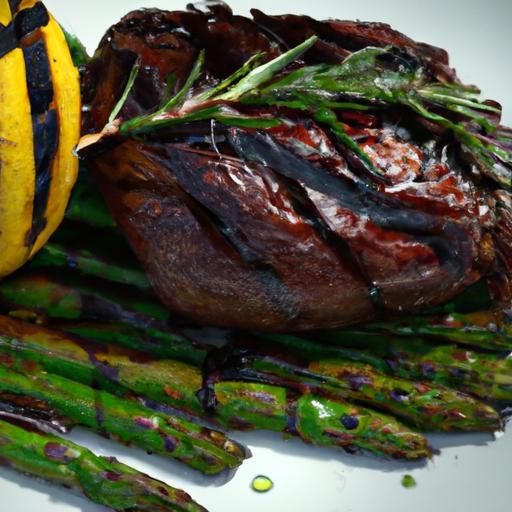
There’s an art to wielding fire – a primal dance between flame and food that has captivated humanity for millennia. But beyond the basic sizzle and sear lies a world of advanced grilling techniques that transform humble cuts into culinary masterpieces. Welcome to Mastering the Flame: Advanced Grilling Techniques Unveiled, where we unlock the secrets of temperature control, smoke infusion, and creative flavor layering. Whether you’re a backyard enthusiast or a seasoned pitmaster, this guide will ignite your passion and elevate your grill game to new, mouthwatering heights. Prepare to harness heat like never before and turn every meal into a celebration of fire and flavor.
Understanding Heat Zones and Flame Control for Precision Cooking
Mastering the Flame: Advanced Grilling Techniques Unveiled begins with an essential skill-managing heat zones and flame control to unlock unparalleled precision on the grill. Whether you’re working over glowing coals or gas burners, understanding your grill’s temperature zones allows you to cook each cut to perfection, balancing charred exteriors with juicy interiors.
Start by creating distinct heat zones: one side blazing hot for searing, and the other cooler for gentle cooking. This two-zone setup is your best friend when grilling thicker cuts such as steaks, bone-in chicken, or hearty vegetables. Position your food accordingly,moving items away from direct flames to avoid burning or flaring up.
flame control is equally crucial.Excess flames signal dripping fats hitting the fire, wich can quickly char your food and impart a bitter flavor. To tame flare-ups, keep a spray bottle of water nearby for light misting or momentarily move the food to the cooler zone. With steady flame management, your dish achieves a perfect crust without sacrificing tenderness inside.
Unlocking the Secrets of Marinades and Rubs to Enhance Flavor
Flavor is king on the grill, and mastering the flame includes knowing how to infuse and amplify it with marinades and dry rubs. Marinades do more than add flavor-they tenderize and introduce moisture, especially to lean proteins like chicken breast or fish. For an effortless yet impactful marinade, combine high-acid elements like citrus juice or vinegar with herbs, garlic, and a touch of oil.Marinate for 1-4 hours, but avoid over-marinating to prevent mushy textures.
Dry rubs are your shortcut to intense, layered seasoning. A blend of aromatic spices, salts, and sugars forms a crust that caramelizes beautifully. For example, a rub of smoked paprika, cumin, brown sugar, salt, and pepper enhances both beef and poultry. Gently pat the rub onto the meat and let it rest at room temperature before grilling.
Proper request is key-too much rub can mask the meat’s natural flavors; too little and it won’t develop a flavorful bark. Tune your technique by experimenting with marinade times and rub thickness for your ideal balance.
Mastering the art of Smoke: Wood Selection and Smoke Ring Perfection
Few experiences compare to the fragrant embrace of wood smoke mingling with grilled foods. Sweet, heavy, or mildly aromatic smoke notes add a deep complexity that elevates simple ingredients into something extraordinary. To excel at mastering the flame, wood selection must align with the protein you’re cooking.
Fruitwoods, such as apple and cherry, offer a mild, sweet smoke ideal for chicken, turkey, and fish. Hickory and oak produce robust, bold flavors-perfect for beef brisket, ribs, and larger cuts. Avoid overpowering delicate proteins with heavy smoke.
Creating the iconic smoke ring-a pink layer beneath smoked meat’s crust-is a hallmark of low-and-slow barbecue. This occurs when nitrogen dioxide from wood smoke reacts with myoglobin in the meat. Maintain your smoker temperature between 225°F-275°F, use unwrapped wood chunks, and keep humidity moderate by placing a water pan inside the smoker.Patience and control here reward you with tender, flavorful cuts that boast a stunning visual signature.
techniques for Resting and Carving to maximize Juiciness and Presentation
even the best grilling can falter without the final flourish-resting and carving. As soon as your food hits the grill’s finish line, heat continues to redistribute, and juices migrate to the surface. Cutting too soon causes precious moisture to spill, leaving dry bites behind.
Rest for 10-15 minutes tented loosely with foil-this simple pause seals in juiciness and tender textures. During this time, internal temperatures settle evenly, preventing overcooking.
When carving,use a sharp,long-bladed knife for smooth,clean cuts. For steaks, carve against the grain to shorten muscle fibers and enhance tenderness. For whole birds, separate sections at joints to preserve shape and presentation. The final act transforms your grilled masterpiece into a plate that’s as visually stunning as it is indeed flavorful.
Prep and Cook Time
Prep: 20 minutes | Marinate: 2 hours (optional) | Cook: 25-40 minutes depending on cut
Yield
Serves 4-6 people
Difficulty Level
Medium to Advanced
Ingredients
- 2 lbs boneless chicken thighs, trimmed
- 1/4 cup olive oil
- 3 tbsp apple cider vinegar
- 2 cloves garlic, minced
- 1 tbsp smoked paprika
- 1 tbsp brown sugar
- 2 tsp kosher salt
- 1 tsp black pepper
- 1 tsp cumin
- Smoking wood chunks (apple or hickory preferred)
Instructions
- Prepare the marinade: Whisk together olive oil, apple cider vinegar, minced garlic, smoked paprika, brown sugar, salt, pepper, and cumin in a bowl.
- Marinate the chicken: Place chicken thighs in a resealable bag, pour in the marinade, and refrigerate for 2 hours for optimum flavor infusion.
- Set up two-zone fire: Arrange charcoal or gas burners so one side runs hot (450°F+) and the other side cooler (250°F-300°F). Add wood chunks to the coals or smoker box for smoke infusion.
- Sear the chicken: On the hot zone, place the chicken skin-side down and cook until the skin is crisp and browned, about 4-5 minutes. Flip and sear other side for 3 minutes.
- Move to cooler zone: transfer the chicken to the cooler side of the grill, cover, and cook until internal temperature reaches 165°F (about 15-20 minutes), turning occasionally to prevent burning.
- Manage flare-ups: Spray lightly with water if fat drippings cause excessive flames, and move chicken promptly if flare-ups intensify.
- Rest: Remove chicken and tent loosely with foil. Let rest for 10 minutes to lock in juices.
- Carve and serve: Slice against the grain and plate with grilled vegetables or fresh herbs.
Chef’s notes
Variations: Swap chicken thighs for skin-on turkey breasts or firm fish like swordfish for a different protein experience. Adjust smoking wood to mild fruitwoods for delicate fish, or robust hickory for bolder meats.
Substitutions: Use lemon juice instead of vinegar for a brighter marinade note. Coconut sugar can replace brown sugar for a unique caramel sweetness.
Troubleshooting: if meats dry out, reduce direct heat time and increase resting duration. Avoid over-marinating as acids can ”cook” proteins prematurely and alter texture.
Make-ahead: Marinade can be prepped and stored up to 3 days ahead. Chicken can marinate overnight if time allows.
Serving Suggestions
Serve your perfectly grilled chicken thighs atop a bed of grilled corn salad or alongside charred asparagus spears. Garnish with chopped fresh cilantro, a wedge of lime, and a drizzle of cooling yogurt-based sauce to brighten smoky flavors. Pair with crusty bread or fluffy rice for a complete meal presentation that invites guests to savor every bite.

| Nutrient | Per Serving |
|---|---|
| Calories | 320 kcal |
| Protein | 35 g |
| Carbohydrates | 6 g |
| Fat | 15 g |
For more on grilling methods and wood smoke selection, check out our ultimate guide to smoking woods. Learn scientifically backed fire control techniques here.
Q&A
Q&A: Mastering the Flame – advanced Grilling Techniques unveiled
Q1: What sets advanced grilling techniques apart from basic grilling?
A1: Advanced grilling transforms cooking from a simple heat-and-serve into a culinary art. It’s about mastering flame control, understanding smoke dynamics, and elevating flavors through precision. Instead of merely charring food, you manipulate temperature zones, timing, and seasoning to coax nuanced tastes and perfect textures from each ingredient.
Q2: How can controlling the flame enhance the flavor of grilled dishes?
A2: The flame is your primal sculptor-its intensity shapes the crust,while its warmth seeps into the meat or vegetables.Taming flare-ups and creating indirect heat zones allows for caramelization without burning, and gentle smoldering imparts smoky complexity. Mastery over flame means balancing heat to unlock maximum flavor without sacrificing tenderness.
Q3: What are some secrets to achieving a perfect sear on grilled seafood and vegetables?
A3: The secret lies in dry surfaces and high heat. Pat seafood and vegetables dry to avoid steaming, then blast them over direct, roaring flames for a short, intense hit-this forms a savory crust and locks in moisture. Timing is crucial; remove the items as soon as they develop that irresistible char, then finish over indirect heat if needed to cook through.
Q4: How can one use wood and charcoal to create distinct flavor profiles in grilling?
A4: Each wood type contributes its own aromatic signature-hickory brings boldness, mesquite infuses earthiness, while fruitwoods like apple add subtle sweetness. Combining charcoal with select chunks of wood creates layers of smoke flavor that penetrate the food deeply. experimenting with wood blends and the duration of smoke exposure allows you to compose personalized flavor symphonies.
Q5: What role does marinading and seasoning play in advanced grilling?
A5: Marinades and rubs are the prelude to flame mastery. They build complexity before the heat does its work. Acidic marinades tenderize, while spice rubs create a flavorful crust during charring. For advanced grilling, consider layering flavors-marinate first, then apply a dry rub right before grilling. This approach heightens both moisture retention and flavor intensity.
Q6: Can you explain the technique of two-zone grilling and why it is essential for advanced grilling?
A6: Two-zone grilling involves setting up a grill with one side blazing hot for searing,and the other side cooler for slow cooking.This dual surroundings grants you command to quickly sear to lock in juices, then transfer food to the cooler side to finish cooking evenly. It’s essential as it prevents burning and allows complex protein and vegetable dishes to reach ideal doneness gracefully.
Q7: How can grill temperature be monitored and maintained for consistent results?
A7: A reliable grill thermometer is indispensable-monitor both ambient air temperature and food surface temp. Adjust airflow vents to manipulate charcoal combustion or tweak burner settings on gas grills. Adding charcoal or wood during cooking keeps the heat steady. Precision in temperature control eliminates guesswork, producing consistent, repeatable culinary triumphs.
Q8: What are some tips for grilling vegetables to retain crunch and maximize flavor?
A8: choose firm, fresh vegetables and slice them to uniform thickness for even cooking. Preheat the grill until it’s hot, oil the grates and veggies lightly to prevent sticking. Grill veggies over direct heat briefly to develop grill marks and flavor, then move them to indirect heat to finish without turning mushy. season after grilling to preserve texture and freshness.
Q9: How do foil packets (en papillote on the grill) fit into advanced grilling techniques?
A9: Foil packets trap moisture and infuse flavors gently-perfect for delicate ingredients like fish, herbs, and vegetables. By sealing in seasonings and juices, the food steams in its own aromatic steam, resulting in tender, flavor-packed dishes. This technique shows finesse as it balances intense grill heat with subtle cooking, expanding your grill’s repertoire.
Q10: What mindset or approach should one adopt to progress from basic to advanced grilling?
A10: Advanced grilling is a journey of curiosity and control-observe how flames react, listen to the sizzle, and embrace experimentation. Precision, patience, and passion will lead you beyond mere heat application to flavor orchestration. Treat your grill like an instrument, your ingredients like notes, and every cook as a composition waiting to break free from the ordinary.
Future Outlook
As the coals settle and the smoke begins to fade, the true art of grilling reveals itself-not just in the sizzle or char, but in the mastery of flame and technique that transforms simple ingredients into unforgettable meals. by embracing these advanced grilling methods, you move beyond basic barbecuing and step into a realm where intuition meets precision, and fire becomes your most trusted ally.Whether you’re coaxing out complex smoky notes or achieving that perfect sear,the lessons unveiled here invite you to experiment,innovate,and most importantly,savor every moment at the grill. So ignite your passion, sharpen your skills, and let the dance of flame and flavor elevate your culinary adventures to bold new heights.