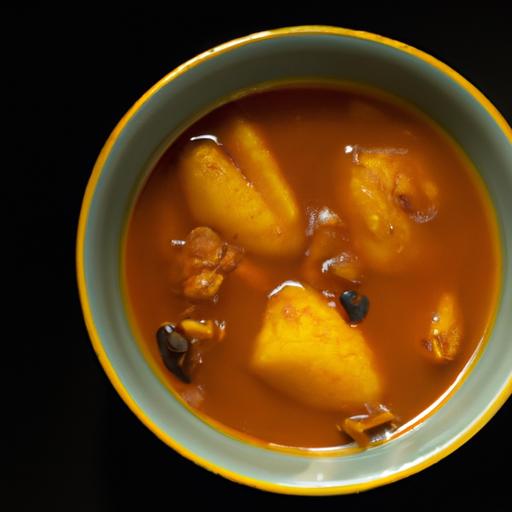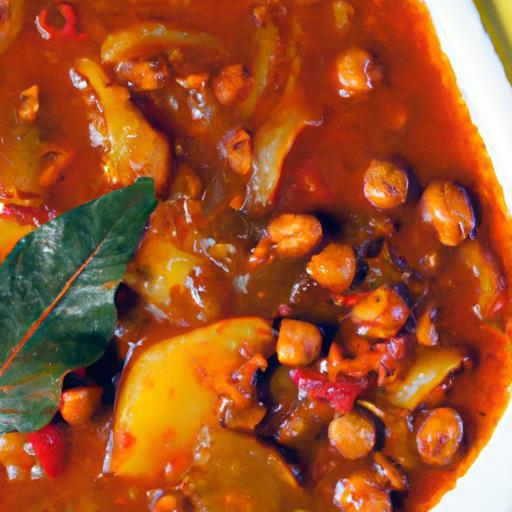
In the heart of West Africa, were vibrant cultures blend with the rhythms of tradition, lies a culinary treasure that tells a story with every simmering pot: Sauce Graine. This Ivorian masterpiece, also known as palm nut soup, is far more than a dish-it is a celebration of heritage, flavor, and community. Rich, velvety, and deeply aromatic, Sauce Graine captures the essence of Côte d’Ivoire’s lush landscapes and diverse peoples, inviting both locals and adventurers alike to savor a taste that is as soulful as it is indeed sumptuous. Journey with us into the world of Ivorian cuisine as we uncover the origins, ingredients, and heartwarming rituals behind this beloved palm nut concoction-an edible emblem of identity and tradition that continues to nourish body and spirit alike.
Savoring Ivorian Sauce Graine is more than just a culinary journey-it’s an immersion into the vibrant culture and rich heritage of Ivory Coast. This beloved palm nut soup, celebrated for its deep, earthy flavors and velvety texture, reflects generations of conventional cooking techniques passed down through families. As a dish that unites communities around the table, its essence lies in the careful extraction of palm nut cream and the skillful balancing of spices that evoke the very soul of West African cuisine.
Prep and Cook Time
Preparation: 45 minutes | Cooking: 1 hour 15 minutes | Total Time: 2 hours
Yield
Serves 6 generous portions
Difficulty Level
Medium – traditional technique requires attention but yields authentic flavor
Ingredients
- 4 cups fresh palm nuts (or 2 cans of palm nut concentrate, about 13.5 oz each)
- 1 lb chicken pieces (skin-on, bone-in for depth of flavor)
- 1 large onion, finely chopped
- 3 cloves garlic, minced
- 2 tablespoons palm oil
- 2 medium tomatoes, blended
- 1 teaspoon smoked paprika
- 1 scotch bonnet pepper (adjust for heat preference)
- 3 cups water or chicken broth
- 1 teaspoon dried thyme
- Salt and freshly ground black pepper, to taste
- Fresh parsley or basil for garnish
Instructions
- Prepare the palm nut cream: If using fresh palm nuts, soak them in hot water for about 15 minutes.Rub the nuts between your hands to extract the oily pulp and strain through a fine sieve. Repeat this process twice to gather a rich palm nut cream. If using canned palm nut concentrate, skip this step and proceed to dilute it with water.
- Brown the chicken: In a large pot, heat 1 tablespoon of palm oil over medium heat. Add the chicken pieces and sauté until golden brown on all sides, about 8-10 minutes. Remove and set aside.
- Sauté the aromatics: in the same pot, add the remaining palm oil. Toss in the chopped onion, garlic, and blended tomatoes. Cook for about 7 minutes until the mixture thickens and the raw tomato smell dissipates.
- Add spices: Stir in the smoked paprika, dried thyme, and scotch bonnet pepper whole (pierced to release flavor). Sauté for 2 minutes,stirring constantly to prevent sticking.
- Combine palm nut cream and liquids: Pour the palm nut cream into the pot along with 3 cups of water or chicken broth. Mix well to integrate all ingredients. Bring the mixture to a gentle boil, then reduce heat to low.
- Simmer: Return the browned chicken to the pot. Cover and let the soup simmer for 45-50 minutes, stirring occasionally to prevent scorching. The sauce should thicken substantially, with a deep reddish-brown color.
- Adjust seasoning: taste and add salt and pepper as needed. Remove the whole scotch bonnet before serving,unless you prefer more heat.
- Garnish and serve: Sprinkle chopped fresh parsley or basil over the top for a burst of freshness and color.
Chef’s Notes
- Fresh palm nuts vs. canned concentrate: Using fresh palm nuts provides the most authentic texture and flavor but requires more hands-on effort. Canned palm nut concentrate is a convenient choice that delivers reliable results.
- Heat level: Adjust the number of scotch bonnet peppers according to your tolerance. Always pierce the pepper rather than chopping it for a subtle heat infusion.
- Protein versatility: While chicken is traditional and flavorful, you can substitute with goat meat, beef, or fish for varied experiences-just adjust cooking times accordingly.
- Make-ahead tip: This sauce deepens in flavor after resting overnight. Store in an airtight container for up to 3 days and reheat gently on the stovetop.
- Thickening consistency: If your sauce is too thin, uncover the pot during the last 10 minutes of cooking to reduce it further.
Serving Suggestions
This soulful palm nut soup shines when served alongside traditional West African staples such as fufu, boiled yams, or steamed rice. For a textural contrast, pair it with a simple green vegetable like sautéed spinach or bitterleaf seasoned with palm oil. Garnish with chopped fresh herbs and a wedge of lime to add brightness. A side of fried plantains amplifies the meal’s balance of sweet and savory notes, elevating your entire tasting experience.
| Nutrient | Per Serving |
|---|---|
| Calories | 420 kcal |
| Protein | 35 g |
| Carbohydrates | 12 g |
| Fat | 28 g |

Unlocking nutritional Power
Savoring Ivorian Sauce Graine is not just a feast for the palate; it’s a powerhouse of nutrition. Palm nuts are packed with antioxidants, vitamins A and E, and healthy fats essential for heart and brain health.Combined with protein-rich chicken and nutrient-dense herbs, this soup offers a nourishing meal that sustains energy and vitality. Incorporating traditional ingredients ensures you savor both the flavor and wellness benefits inherent in West African cooking.
Mastering Traditional techniques for Authentic Flavor
Authenticity begins with technique. The process of extracting palm nut cream by hand or through slow simmering unlocks the iconic lush texture and subtly smoky undertones unique to this dish. Slow-simmering the chicken in the fragrant sauce deepens every layer of flavor, harmonizing spices and emulsifying palm oil oils into a natural velvety richness that single-handedly defines the experience.Patience and respect in preparation translate to unmatched taste memories.
pairing Suggestions to Elevate Your Experience
Perfect pairings create unforgettable meals. combine Savoring Ivorian Sauce Graine with fluffy fufu made from cassava or plantains, whose mildness perfectly balances the soup’s intensity.A crisp, refreshing side salad of okra or garden greens dressed lightly with lemon juice cuts through the richness. For beverages, a chilled hibiscus iced tea or ginger-infused drink complements the spice and rounds out the meal elegantly.
For further exploration of authentic West African dishes, check out our Guide to African Stews and Soups and discover new heartwarming recipes.
Learn more about the nutritional benefits of palm oil from this authoritative resource: Harvard T.H. Chan School of Public Health.
Q&A
Q&A: Savoring Ivorian Sauce Graine: The Soul of Palm Nut Soup
Q1: What is Sauce Graine, and why is it considered the soul of Ivorian cuisine?
A1: Sauce graine, also known as palm nut soup, is a rich, flavorful sauce made from the pulp of ripe palm nuts. It is deeply woven into the culinary fabric of Ivory Coast, celebrated not only for its velvety texture and vibrant color but also for its cultural significance. This sauce embodies warmth, history, and communal spirit, often served during family gatherings and festive occasions, making it the heart and soul of Ivorian dining.
Q2: How is the palm nut base prepared to create the distinctive Sauce Graine?
A2: The process begins with harvesting fresh, ripe palm nuts, which are boiled until soft. The nuts are then pounded or squeezed to extract the creamy, oily pulp. this pulp is mixed with water and strained to release the intense, nutty flavor that forms the foundation of the sauce. The result is a luscious, reddish-orange broth that is both fragrant and nourishing.
Q3: What are the key ingredients that complement the palm nut base in an authentic Sauce Graine?
A3: Besides the palm nut extract, traditional sauce Graine includes an assortment of fresh ingredients: aromatic onions, garlic, and fiery Scotch bonnet peppers add depth and heat; fresh tomatoes contribute brightness; and an array of green herbs like parsley or basil provide freshness.Protein options usually include chicken, fish, or beef, each absorbing the rich flavors of the sauce beautifully.
Q4: can you describe the flavor profile and texture of Sauce Graine?
A4: sauce Graine delights the palate with a complex balance of creamy richness, subtle sweetness, and mild earthiness from the palm nuts. The heat from the chili peppers adds a gentle kick without overwhelming the other notes. Its texture is thick and silky,coating grains like rice or fufu perfectly,creating a comforting and satisfying meal that lingers in memory.
Q5: How is Sauce Graine traditionally served and enjoyed in Ivory Coast?
A5: Sauce Graine is frequently enough paired with starchy staples such as attiéké (cassava couscous), rice, or foutou (mashed plantains or yam), which serve as perfect vehicles for scooping up the sauce. Meals are typically communal, enjoyed with family and friends, where shared dishes foster connection and celebration. eating Sauce Graine is not just about nourishment but embracing a moment of togetherness and cultural pride.
Q6: Are there any regional variations of Sauce Graine within Ivory Coast?
A6: Yes, while the core of Sauce Graine remains consistent, slight regional differences showcase Ivory Coast’s rich culinary diversity. Some areas use different proteins-ranging from fresh fish along the coast to hearty beef in inland regions. Variations in the spice blend, herb usage, or cooking techniques can also personalize the dish, reflecting local tastes and ingredient availability.
Q7: What makes Sauce Graine a dish worth exploring for those new to West African cuisine?
A7: For newcomers,Sauce Graine serves as both an introduction and an invitation to the bold yet balanced flavors of West African cooking. It highlights the ingenuity of using natural, local ingredients like palm nuts to create something remarkable. The dish’s layers of flavor, cultural roots, and intrinsic warmth make it an unforgettable culinary experience that opens a window into Ivorian heritage.
Q8: Can Sauce Graine be adapted for vegetarian or vegan diets without losing its essence?
A8: Absolutely. The sauce’s rich palm nut base naturally lends itself to plant-based adaptations. Using mushrooms, tofu, or hearty vegetables like eggplant and okra can replace animal proteins while maintaining the sauce’s robust texture and flavor. Spices and herbs remain key to preserving the authentic taste, allowing everyone to savor this Ivorian treasure.
This Q&A celebrates sauce Graine as more than just a dish-it is a vibrant expression of Ivorian identity, flavor, and tradition, inviting all food lovers to discover its soulful appeal.
In Conclusion
As the rich aroma of Sauce Graine lingers in the air, it becomes clear that this beloved Ivorian palm nut soup is far more than just a meal-it is a flavorful tapestry woven from history, culture, and community. Each spoonful tells a story of tradition, resilience, and the vibrant spirit of Ivory coast. Whether enjoyed at a bustling family gathering or in the quiet comfort of home, Sauce Graine invites us to savor not only its luscious taste but also the soulful heritage it carries. In celebrating this culinary gem, we embrace a piece of Ivorian identity-rich, warm, and unforgettable.