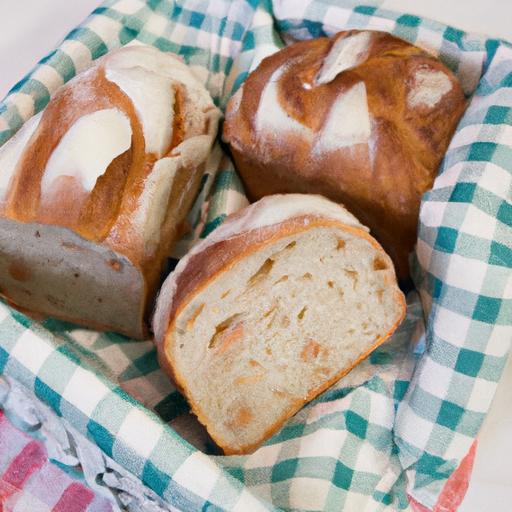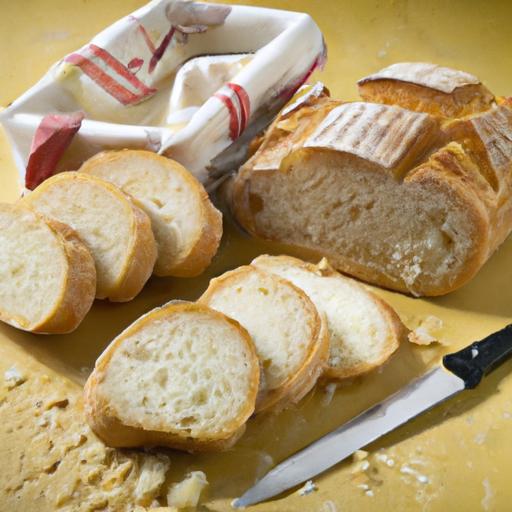
bread has been a timeless staple, comforting tables and hearts alike for centuries. Yet, beyond the classic loaves we all know, lies a world brimming with inventive flavors and unexpected textures waiting to be explored. Whether you’re a seasoned baker or a curious kitchen adventurer, unlocking the secrets of unique bread recipes can transform your baking experience from ordinary to extraordinary. In this article, we invite you to embark on a flavorful journey with seven distinctive bread recipes that promise to tantalize your taste buds and inspire your culinary creativity. Ready to knead, rise, and savor? Let’s dive in!
Unlocking Flavor through artisan techniques can transform a simple loaf into a symphony of depth and texture. Imagine the satisfying crackle of a perfectly crisp crust giving way to a soft, airy crumb, punctuated by subtle, unexpected bursts of flavor. This recipe harnesses centuries-old methods paired with modern flair, incorporating surprisingly delightful ingredients that heighten complexity without stealing the spotlight.
Prep and cook Time
- Planning: 30 minutes (plus 12-16 hours fermentation)
- Cook Time: 35 minutes
- Total Time: Approximately 13-17 hours (including overnight fermentation)
Yield
- 1 large artisan loaf,serves 8
Difficulty Level
- Medium – requires patience and attention to fermentation stages
Ingredients
- 3 cups bread flour,sifted
- 1 ½ cups filtered water,room temperature
- 1 tsp sea salt
- 1 tsp active dry yeast
- 2 tbsp toasted black sesame seeds (adds nutty aroma and subtle crunch)
- 2 tbsp finely chopped fresh rosemary (for unexpected herbal notes)
- 1 tbsp natural honey (to balance tang and contribute to crust caramelization)
- ¼ cup fermented beet kvass (introduces gentle acidity and deepens flavor)
Instructions
- Activate the yeast: In a small bowl,combine the active dry yeast with ½ cup of the filtered water and honey. Let it bloom for 10 minutes until foamy, signaling yeast readiness.
- Mix the dough: In a large bowl,stir together the bread flour,sea salt,chopped rosemary,and toasted black sesame seeds. Make a well in the center and pour in the activated yeast mixture,beet kvass,and remaining water. Use a wooden spoon or your hands to combine until a shaggy dough forms.
- First rise: Cover the bowl with a clean linen towel or plastic wrap and let the dough ferment at room temperature for 12 to 16 hours. this long fermentation stage develops a complex,tangy flavor and improves the texture dramatically.
- Shape the loaf: Lightly flour your work surface and gently tip out the dough. Fold edges into the center to form a tight ball, preserving as many air pockets as possible for an open crumb. Place dough seam-side down onto a parchment-lined baking sheet or proofing basket.
- Second rise: Allow the dough to rise for an additional 1.5 hours, covered, until it slightly puffs but dose not double.
- Preheat the oven: Heat your oven to 450°F (230°C) with a Dutch oven or heavy baking vessel inside to create steam and radiant heat.
- Bake: Carefully transfer the dough inside the heated vessel, cover, and bake 20 minutes. Remove the lid to allow crust browning and bake for another 15 minutes until golden and crisp.
- Cool: Transfer the bread to a wire rack and let cool completely before slicing. This rest enhances crumb structure and flavor expression.
Tips for Success
- Fermentation magic: The overnight rise is key to unlocking depth. Don’t rush this stage-extended fermentation yields incredible flavor complexity.
- Unexpected ingredients: Toasting the sesame seeds beforehand intensifies their nuttiness. Feel free to swap rosemary with thyme for another aromatic twist.
- Beet kvass alternative: if unavailable, substitute with a tablespoon of natural apple cider vinegar mixed with water for that slight tangy edge.
- Make ahead: This dough can be refrigerated for the first rise up to 24 hours. Simply bring back to room temperature before shaping.
Serving Suggestions
Slice this artisan bread thickly to showcase its stunning open crumb flecked with black sesame. It pairs exquisitely with creamy goat cheese and a drizzle of high-quality olive oil scattered with flaky sea salt. For beverages, try a robust herbal tea or a lightly hopped craft beer to complement the herbal and nutty notes.
Serve as a centerpiece on a rustic wooden board garnished with sprigs of fresh rosemary and a scattering of additional toasted sesame seeds for visual impact and textural contrast.

| nutrient | per Serving (1 Slice) |
|---|---|
| Calories | 160 kcal |
| Protein | 5 g |
| Carbohydrates | 30 g |
| Fat | 2 g |
For more inspiration on artisan breads and fermentation tips, check out our Sourdough Starter Basics guide. Explore detailed science-backed insights on fermentation at ScienceDaily.
Q&A
Q: What inspired the idea of exploring unique bread recipes in this article?
A: Bread is one of the oldest and most universal foods, yet many people stick to the same classic recipes. The inspiration came from a desire to celebrate bread’s incredible versatility and introduce unconventional flavors and textures that transform a simple loaf into a culinary adventure.
Q: What makes these 7 bread recipes stand out from traditional bread baking?
A: Each recipe incorporates unexpected ingredients or techniques – from floral infusions and vibrant spices to inventive fermentation methods. These elements elevate the humble loaf,offering surprising flavor combinations and distinct aromas that awaken the palate.
Q: Can beginners tackle these unique bread recipes or are they better suited for experienced bakers?
A: The recipes range from approachable to moderately challenging, but all include step-by-step guidance. Even novice bakers can succeed with a bit of patience and attention. The journey of experimenting with flavors also adds fun and creativity to the process!
Q: How critically important are ingredients in achieving unique flavors in bread?
A: Ingredients are the heart of each recipe’s distinct personality. Using fresh herbs, unusual flours (like buckwheat or chestnut), nuts, seeds, or natural sweeteners opens up endless possibilities. Quality ingredients ensure the best texture and depth of flavor.Q: What baking tips can help enhance the flavor and texture of these breads?
A: Key tips include allowing doughs proper fermentation time to develop flavor complexity, maintaining optimal hydration for crumb softness, and experimenting with baking techniques like steam injection or slow-proofing. Small adjustments in temperature and strategy make a big difference.
Q: Are these unique bread recipes versatile for different meals or occasions?
A: absolutely! From savory herbed loaves perfect for sandwiches and cheese boards, to subtly sweet breads ideal for breakfast or afternoon tea, these recipes suit a variety of settings. They’re also great conversation starters when sharing with family or friends.
Q: How can readers personalize these recipes to suit their own taste preferences?
A: The beauty of bread baking lies in its adaptability. Readers are encouraged to swap in their favorite nuts, fruits, spices, or herbs. Tinkering with ingredient ratios or adding layered toppings creates a bread that’s truly their own culinary signature.
Q: What is the main takeaway you want readers to remember after trying these unique bread recipes?
A: Baking bread is an art and a joyful experiment.Unlocking new flavors turns a basic kitchen ritual into an act of appetizing creativity. With openness to those tasty twists, anyone can bring warmth, aroma, and a spark of surprise to their table.
Future Outlook
As you embark on your next baking adventure, these seven unique bread recipes offer more than just a loaf-they unlock a world of flavor waiting to be discovered. From fragrant herbs to unexpected twists, each recipe invites you to transform simple ingredients into edible stories that delight the senses.So dust off your mixing bowls, warm up that oven, and let your creativity rise alongside your dough. As in the art of bread-making, every bite is a chance to savor something extraordinary.Happy baking!