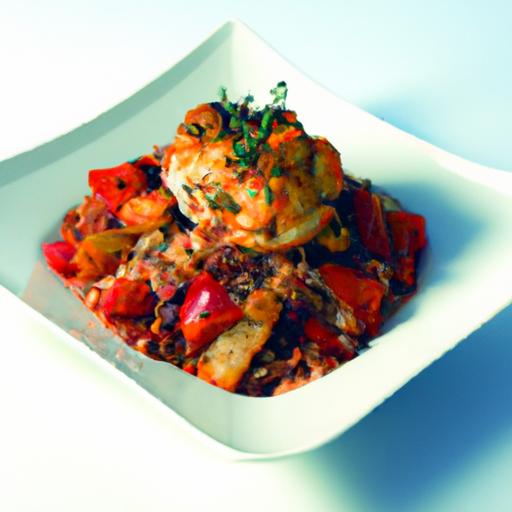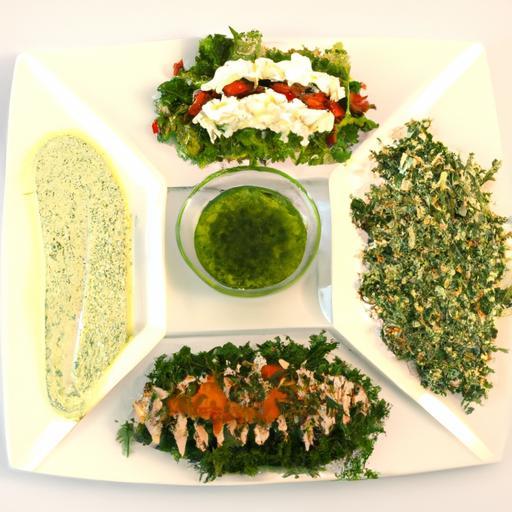
Nestled between teh azure waves of the Aegean Sea and sun-kissed olive groves, Greek Mediterranean cuisine is a vibrant tapestry of history, culture, and nature’s bounty. Each dish tells a story - from the tangy zest of freshly squeezed lemon to the rich, earthy notes of wild oregano and sun-ripened tomatoes. In ”Savor the Flavors: Exploring Greek Mediterranean Classics,” we embark on a culinary journey to uncover the timeless recipes that have nourished families for generations and captivated palates worldwide. Join us as we delve into the heart of Greece’s gastronomic heritage, where simple ingredients transform into masterpieces bursting with authenticity and passion.
Savor the flavors: Exploring Greek Mediterranean Classics invites you into a world where sun-kissed olive groves and fragrant herbs harmonize to create unforgettable meals. Greek Mediterranean cuisine is a treasure trove of history, culture, and wholesome ingredients that tell stories of ancient traditions, regional diversity, and family gatherings around vibrant tables. This journey will not only unveil essential ingredients that bring these flavors to life but will also guide you through must-try traditional recipes that feel both authentic and approachable, all paired beautifully with ideal Mediterranean wines and side dishes.
Embracing the Heart of Greek Mediterranean Flavors
At the root of greek Mediterranean classics lies a palette of fresh, robust ingredients that elevate simple dishes into mouthwatering celebrations.Olive oil, freshly harvested from ancient trees, lends a fruitiness that is unmistakable. Aromatic herbs like oregano, thyme, and dill add layers of complexity, while creamy feta cheese and briny olives introduce a salty tang that contrasts perfectly with sweet vine-ripened tomatoes and crisp cucumbers. The Mediterranean sun informs every bite, making these meals vibrant, colorful, and nutritiously balanced.
Essential Ingredients That Bring Greek Flavors to Life
- Extra virgin olive oil - the golden elixir central to almost every dish
- Fresh lemons - zesty brightness that brightens salads and marinades
- Garlic cloves - pungent and aromatic,a flavor base for many sauces and roasts
- Herbs: oregano,dill,mint,and thyme – add fragrant notes and freshness
- Tomatoes – ripe and juicy,perfect raw or slow-cooked into rich sauces
- Feta cheese - crumbly,tangy,and creamy for finishing salads and pies
- Legumes: chickpeas and lentils – staples for hearty soups and salads
- Seafood and chicken – lean proteins often seasoned simply and grilled
Classic Greek Recipe: Chicken Souvlaki with Tzatziki Sauce
When exploring Greek mediterranean classics,few dishes are as iconic and approachable as Chicken Souvlaki. This recipe embodies the essence of communal dining, simplicity, and bold flavors. Tender, marinated chicken grilled to perfection, paired with cooling tzatziki, transports you to a sunlit Greek taverna.
Prep and Cook Time
- Planning: 20 minutes
- Marinating time: 2 hours (or overnight for best flavor)
- Cooking: 10-12 minutes
Yield
Serves 4 people
Difficulty Level
Easy to medium
ingredients
- 500g boneless, skinless chicken thighs, cut into 1-inch cubes
- 3 tbsp extra virgin olive oil
- 2 tbsp freshly squeezed lemon juice
- 3 garlic cloves, minced
- 1 tbsp dried oregano
- 1 tsp smoked paprika
- Salt and freshly ground black pepper, to taste
- Wooden skewers, soaked in water for 30 minutes
- For Tzatziki Sauce:
- 1 cup Greek yogurt
- 1/2 cucumber, finely grated and drained
- 1 garlic clove, minced
- 1 tbsp fresh dill, chopped
- 1 tbsp lemon juice
- Salt, to taste
- Optional: pita bread, sliced tomatoes, sliced red onion, and fresh parsley for garnish
Instructions
- Prepare the marinade: In a medium bowl, whisk together olive oil, lemon juice, garlic, oregano, paprika, salt, and pepper. Add the chicken cubes and toss well to coat.Cover and refrigerate for at least 2 hours to allow flavors to meld.
- Prepare tzatziki sauce: In a small bowl, combine Greek yogurt, grated cucumber (after squeezing out excess liquid), minced garlic, lemon juice, chopped dill, and salt.Mix thoroughly and keep chilled until serving.
- Preheat your grill or grill pan to medium-high heat. Thread the marinated chicken pieces onto soaked wooden skewers,leaving a little space between each piece for even cooking.
- Grill chicken skewers: Place the skewers on the grill and cook for about 5-6 minutes per side, turning once. Cook until chicken is golden brown and internal temperature reaches 75°C (165°F).
- Rest the chicken: Remove from heat and let the skewers rest for 3 minutes before serving to lock in the juices.
- Serve: Plate the chicken skewers with warm pita bread, a generous dollop of tzatziki, fresh tomato slices, red onion rings, and a sprinkle of parsley for color and freshness.
Tips for success
- Marinate the chicken overnight for deeper flavor penetration and more tender bites.
- If you don’t have a grill, a hot grill pan or cast-iron skillet works well-just ensure the pan is well-oiled to prevent sticking.
- To keep the tzatziki creamy, strain the cucumber thoroughly-excess moisture can make the sauce watery.
- for a bright, vibrant finish, drizzle extra olive oil and sprinkle smoked paprika or fresh herbs on top just before serving.
Serving Suggestions
Present this dish as a centerpiece of a Mediterranean feast alongside a crisp Greek salad and fluffy lemon roasted potatoes. Adding a chilled glass of Assyrtiko or Vermentino, both celebrated Greek white wines, will enhance the fresh citrus and herbal notes in the chicken. Fresh pita slices warmed on the grill add the perfect texture contrast, making each bite irresistible.

| Nutrient | Per Serving |
|---|---|
| Calories | 320 kcal |
| Protein | 35 g |
| Carbohydrates | 8 g |
| Fat | 15 g |
for a deeper dive into other Greek Mediterranean classics and how to optimize your cooking, check out our detailed guide on Greek Cuisine Fundamentals. To learn more about the origins and health benefits of Mediterranean olive oil, visit International Olive Council.
Q&A
Q&A: Savor the Flavors – Exploring Greek Mediterranean Classics
Q1: What makes Greek Mediterranean cuisine so unique and beloved around the world?
A1: Greek Mediterranean cuisine is a vibrant mosaic of bold yet balanced flavors, where fresh vegetables, aromatic herbs, tangy cheeses, and heart-healthy olive oil come together in perfect harmony. Its foundation is built on simplicity and freshness, reflecting the sun-drenched landscapes and rich cultural heritage of Greece. The cuisine emphasizes seasonal ingredients and traditional cooking methods that celebrate the natural taste of each component.
Q2: Which herbs and spices are essential in Greek cooking?
A2: Greek dishes often sing with the fragrances of oregano, thyme, mint, dill, and rosemary. These herbs infuse everything from salads to roasted vegetables. A sprinkle of cinnamon or nutmeg can be found in savory stews, adding subtle warmth and depth. Lemon zest and juice are also key players, lending a bright, acidic punch that enlivens many recipes.Q3: Can you name some iconic Greek dishes that exemplify Mediterranean flavors?
A3: Certainly! Classics like greek Salad (Horiatiki) showcase crisp cucumbers, ripe tomatoes, briny Kalamata olives, creamy feta, and a splash of extra virgin olive oil and oregano. Moussaka, with layers of eggplant, potatoes, and a spiced tomato sauce topped with béchamel, is rich and comforting. Spanakopita-a flaky spinach and feta pie wrapped in golden phyllo dough-delights with a perfect balance of savory and flaky textures. Dolmades, vine leaves stuffed with rice and herbs, offer a tangy, herbal bite that is quintessentially Greek.
Q4: How does olive oil influence the taste and healthiness of Greek Mediterranean dishes?
A4: Olive oil is the liquid gold of Greek cuisine, prized not only for its robust, fruity flavor but also for its myriad health benefits. Extra virgin olive oil adds a luscious mouthfeel and subtle peppery notes that enhance salads, grilled vegetables, and seafood. Its abundance of antioxidants and healthy fats makes Greek cooking a flavorful choice for nourishing the body and delighting the palate.Q5: What role do seafood and legumes play in Greek mediterranean gastronomy?
A5: Surrounded by the azure waters of the Mediterranean, Greece boasts a rich tradition of incorporating fresh seafood such as grilled calamari, tender octopus, and savory fish stews into its culinary repertoire. Alongside seafood, legumes like lentils, chickpeas, and fava beans star in satisfying, protein-rich dishes like Fakes Soupa (lentil soup) and Revithada (baked chickpeas), embodying the rustic, hearty side of the cuisine.
Q6: How can home cooks bring authentic Greek flavors into their kitchens?
A6: Start with fresh, high-quality ingredients: ripe tomatoes, crisp cucumbers, robust olives, and tangy cheeses like feta or halloumi. Use generous amounts of extra virgin olive oil and don’t shy away from a good squeeze of lemon. Experiment with herbs-oregano and dill are essential. Cooking simply-grilling, roasting, or slow-simmering-lets the natural flavors shine. And remember, Greek cooking is as much about sharing and joy as it is about taste, so gather friends and family around the table to enjoy!
Q7: Are there vegetarian options in Greek Mediterranean cuisine?
A7: Absolutely! Greek cuisine offers abundant vegetarian delights. Dishes such as Gigantes Plaki (baked giant beans in tomato sauce), Spanakopita (spinach pie), Briam (oven-roasted mixed vegetables), and hearty salads bursting with fresh produce are both satisfying and nourishing. The use of herbs, lemon, and olive oil brings vibrant flavors that captivate all palates, meat-eaters and vegetarians alike.
Q8: What is the cultural significance behind sharing Greek meals?
A8: Food in Greek culture is a party of community, hospitality, and tradition. Meals are often leisurely affairs where stories are shared,laughter flows freely,and connections deepen. Serving various mezze-small plates of diverse flavors-encourages sharing and savoring multiple tastes. This ritual of eating together embodies the Greek spirit of warmth and generosity, making every bite a joyful experience beyond just nourishment.
Dive into the world of Greek Mediterranean classics and discover a culinary journey that delights the senses while honoring centuries of tradition!
Future Outlook
as we close this flavorful journey through the heart of Greek Mediterranean classics, it becomes clear that these dishes are more than just meals-they are stories told through ingredients, traditions, and time-honored techniques. From the tangy zest of lemon and oregano to the rich,golden embrace of olive oil,each bite offers a vibrant glimpse into Greece’s sun-soaked landscapes and warm,communal spirit. Whether you’re a seasoned foodie or an eager culinary explorer, embracing these timeless flavors invites you to savor not only the food but the culture and history it carries. So next time you sit down to a plate of moussaka or a fresh Greek salad, remember: you’re partaking in a delicious legacy that continues to inspire and delight palates around the world. Kali orexi-and happy tasting!