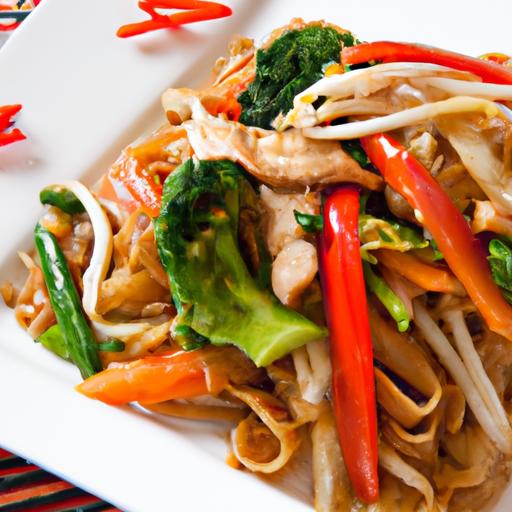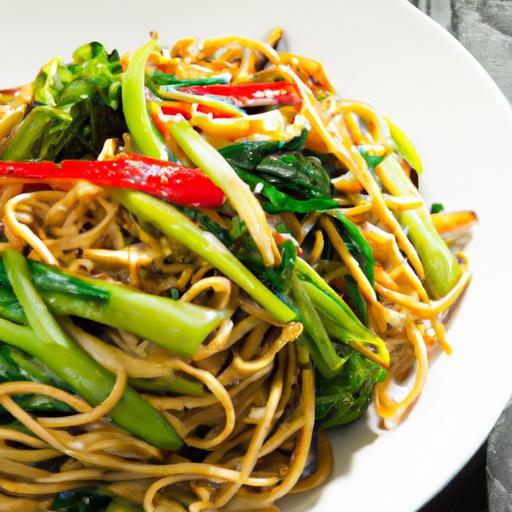
From the sizzle of the wok to the vibrant medley of colors and aromas, asia’s fried noodle dishes are nothing short of culinary magic.Each strand tells a story-woven through centuries of tradition, culture, and local flavors-bringing together humble ingredients in a dazzling dance of texture and taste. In this journey through “Wok Wonders,” we’ll stir-fry our way across the continent, uncovering the secrets behind iconic dishes like Thailand’s Pad Thai, China’s Chow Mein, and Malaysia’s Char Kway Teow. Prepare to explore not just recipes, but the rich heritage and regional twists that make Asia’s fried noodles truly unforgettable.
Wok Wonders: Exploring Asia’s Iconic Fried Noodle Dishes invites you to uncover the rich tapestry behind one of asia’s most cherished culinary treasures-fried noodles. From bustling street food markets to elegant home kitchens, these dishes have an remarkable history and vibrant flavor profile that captivate taste buds worldwide. Mastering these noodle secrets will elevate your cooking and bring the authentic taste of Asia right to your table.
Origins and Ingredients: unlocking the Secrets Behind Asia’s Most Beloved Fried Noodles
The story of Asian fried noodles is as diverse as the continent itself. Originating from centuries-old trade routes and cultural exchanges, these dishes reflect the local produce, seasonings, and culinary philosophies unique to each region. The focus ingredient is the noodle itself – whether thin rice vermicelli,chewy wheat egg noodles,or broad flat noodles – paired with fundamental elements like soy sauce,aromatic garlic,and fresh vegetables.Key sauces like dark soy sauce,fish sauce (or vegetarian alternatives),and chili oil provide deep layers of umami,while proteins such as chicken,tofu,and shrimp enrich the textures. Understanding these building blocks is essential to recreating the authentic appeal of wok-fried noodles.
Prep and Cook Time
- Preparation: 15 minutes
- Cooking: 10 minutes
- Total: 25 minutes
Yield
Serves 3-4 hungry guests
Difficulty Level
Medium – ideal for cooks comfortable with quick, high-heat techniques and multitasking.
Ingredients
- 8 oz fresh wheat egg noodles or dried, cooked and drained
- 2 tbsp vegetable oil (preferably peanut or canola)
- 2 cloves garlic, minced
- 1 tsp ginger, finely grated
- 1 small onion, thinly sliced
- 1 cup bok choy, chopped
- ½ cup shredded carrots
- 1 cup cooked chicken breast, thinly sliced (optional for protein)
- 2 tbsp light soy sauce
- 1 tbsp dark soy sauce
- 1 tbsp oyster sauce (vegetarian versions available)
- 1 tsp toasted sesame oil
- 1 tbsp chili garlic sauce (optional for heat)
- 2 scallions, sliced
- 1 tsp freshly ground white pepper
Instructions
- Prepare the noodles: if using dried noodles, cook according to package instructions, drain, and rinse under cold water to halt cooking. Set aside to drain wholly.
- Heat your wok or large skillet: Add vegetable oil over high heat until shimmering but not smoking. This is crucial for achieving that signature wok hei-the smoky, charred flavor.
- Sauté aromatics: Add minced garlic and grated ginger, stirring constantly about 30 seconds until fragrant but not browned.
- Add onions and stir-fry: Toss in sliced onion, continue stirring for 2 minutes until softened and translucent.
- Incorporate vegetables: Add bok choy and shredded carrots, cook 2-3 minutes until crisp-tender. Stir frequently to maintain even cooking.
- Add proteins: Toss in the cooked chicken slices, stirring to reheat and combine flavors, about 1-2 minutes.
- Introduce noodles: Add the drained noodles into the wok. Stir-fry quickly by tossing and turning the noodles with other ingredients to heat evenly without breaking them.
- Season layers: Pour in light soy sauce,dark soy sauce,oyster sauce,and chili garlic sauce if using.Stir rapidly to coat noodles evenly.
- Finish with seasoning: Drizzle toasted sesame oil and sprinkle white pepper for depth and aroma. Toss once more.
- Final garnish: turn off heat and stir in sliced scallions to retain freshness and crunch.
- Serve promptly: Plate your wok-fried noodles piping hot for maximum flavor and texture enjoyment.
Tips for Success
- Use a well-seasoned wok or heavy skillet to achieve high heat retention and authentic sear marks.
- Prepare all ingredients ahead as the stir-fry process happens rapidly.
- Don’t overcrowd the pan; work in batches if necessary to preserve even cooking and prevent steaming.
- Choose fresh vegetables that complement the noodles – crunchy and brightly colored varieties enhance visual and textural experience.
- Substitute proteins: tofu or shrimp make excellent alternatives that absorb the bold sauces wonderfully.
- For a gluten-free option, use rice noodles instead.
Serving Suggestions
Present your wok-fried noodles with a side of crisp cucumber salad or pickled radish for a refreshing contrast. Garnish with fresh cilantro, a wedge of lime, and extra scallions. For an extra zesty punch,offer a small dish of chili oil or a sprinkle of toasted peanuts on the side. Pairing with a light jasmine tea or a cold Asian beer elevates the shared dining experience beautifully.
| Nutrient | Per serving |
|---|---|
| Calories | 420 kcal |
| Protein | 26 g |
| Carbohydrates | 48 g |
| Fat | 12 g |
 iconic fried noodle dishes” class=”aligncenter” />
For further inspiration on Asian noodle mastery, check out our extensive guide to stir-fry techniques. When diving deeper into the origins and rich culinary history behind these dishes, the Encyclopedia Britannica’s overview of Chinese cuisine is an excellent resource.
Q&A
Q&A: Wok Wonders – Exploring Asia’s Iconic Fried Noodle Dishes
Q1: What makes fried noodle dishes so iconic in Asian cuisine?
A1: Fried noodle dishes encapsulate the essence of Asian cooking – vibrant, fast, and flavorful.Thay transform simple noodles into culinary masterpieces with a sizzling wok, high heat, and a harmony of fresh ingredients and bold sauces.Each dish tells a story of regional flavors, cultural traditions, and the art of stir-frying.
Q2: Which Asian countries are renowned for their fried noodle specialties?
A2: From the bustling street stalls of Thailand to the night markets of Malaysia, and the vibrant kitchens of China and Singapore, several countries boast beloved fried noodle dishes. Iconic examples include Thailand’s Pad Thai,Malaysia’s Char Kway Teow,China’s Chow Mein,and Singapore’s Fried Hokkien Mee – each distinct yet united by the wok’s magic.
Q3: What types of noodles are commonly used in these dishes?
A3: The noodle selection varies widely – slender rice vermicelli, chewy egg noodles, flat rice noodles, or even thick wheat noodles. These different textures create unique mouthfeel experiences, soaking up the sauce while maintaining a pleasant bite that complements the wok-tossed ingredients.
Q4: How do chefs achieve the perfect wok hei, or “breath of the wok”?
A4: Wok hei is the smoky, slightly charred aroma and flavor that defines an exceptional stir-fry. It’s achieved by cooking over an intense flame, tossing ingredients rapidly to prevent steaming, and using high heat to impart a subtly caramelized, smoky essence that elevates the dish.
Q5: What are some signature ingredients commonly found in these noodle dishes?
A5: Vegetables like bean sprouts, chives, bok choy, and carrots add freshness; proteins frequently enough include chicken, beef, seafood like shrimp or squid, and tofu for a vegetarian twist. Aromatics like garlic, ginger, scallions, and chilies bring layers of flavor, while sauces-soy sauce, oyster-free stir-fry sauces, tamarind, and chili paste-create the perfect balance of savory, sweet, tangy, and spicy notes.
Q6: Can these dishes be adapted for vegetarian or vegan diets?
A6: Absolutely! Many iconic fried noodle dishes are naturally flexible. By swapping in tofu or tempeh, increasing veggie portions, and choosing plant-based sauces, one can enjoy authentic flavors without compromise. The wok welcomes creativity, making vegetarian and vegan versions just as vibrant and satisfying.
Q7: What dining experiences accompany enjoying fried noodle dishes across Asia?
A7: fried noodles often anchor communal, lively meals – whether devoured street-side with the hum of city life, in bustling hawker centers filled with aromas and conversation, or in cozy homes where recipes have been passed down generations. Each bite connects you not just with the dish, but with the culture and people behind it.
Q8: How has global popularity influenced these traditional fried noodle dishes?
A8: as Asian cuisine graces menus worldwide, these dishes continue to evolve. Chefs experiment with new ingredients, fusion flavors, and health-conscious tweaks, yet the soul of wok-fried noodles remains – quick, flavorful, and deeply satisfying. This global interest keeps traditional recipes vibrant while inspiring new wok wonders.
Feel inspired to grab your wok and embark on your own fried noodle adventure, discovering just why these sizzling strands hold Asia’s culinary heart!
Closing Remarks
As the aromatic wafts of sizzling garlic, soy, and chili linger in the air, it becomes clear that Asia’s fried noodle dishes are much more than just meals-they are edible chronicles of culture, history, and innovation. From the bustling street stalls of Bangkok to the elegant night markets of Taipei, each wok-fried strand tells a story steeped in tradition yet alive with regional flair. Whether you savor the smoky char of Thailand’s Pad Thai, the savory depth of China’s Chow Mein, or the spicy kick of Malaysia’s Char Kway Teow, diving into these noodle wonders is a flavorful journey across continents and centuries. So next time you twirl your chopsticks around those golden strands, remember: you’re tasting a vibrant mosaic of Asia’s culinary artistry, crafted with passion and served straight from the heart of the wok.