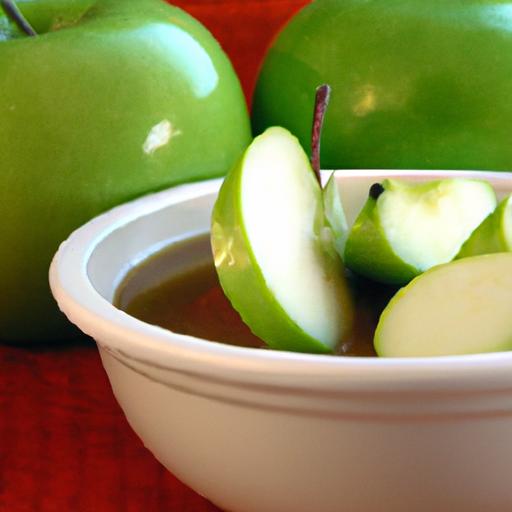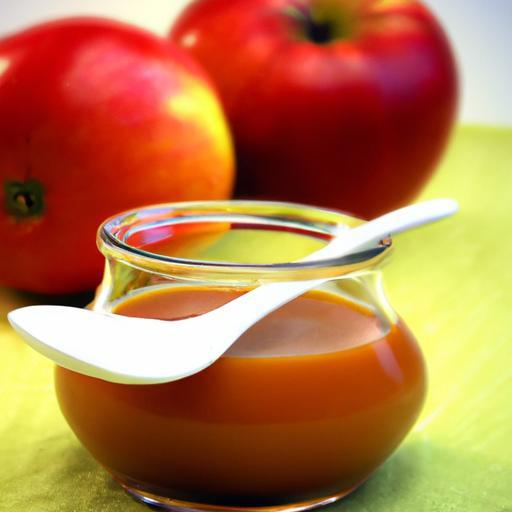
There’s a certain magic in the humble apple-crisp,fragrant,adn packed with natural sweetness. Transforming this everyday fruit into homemade applesauce elevates it into somthing truly remarkable: a bowl of cozy comfort, nostalgia, and wholesome goodness. Whether dolloped atop morning oatmeal, swirled into yogurt, or savored straight from the spoon, homemade applesauce is a sweet, simple delight that connects us to the heart of the harvest season. In this article, we’ll explore the art of crafting this timeless treat from scratch, unlocking tips and tricks to bring out the purest flavors and textures in every batch. Get ready to embrace the warm aroma and appetizing satisfaction of making your own applesauce at home-where health meets homey happiness in every bite.
Choosing the Perfect Apples for naturally Sweet and Flavorful Applesauce
Homemade applesauce delivers a naturally sweet and wholesome delight, crafted by selecting the right apples to highlight a perfect balance of tartness and sweetness. For a truly vibrant flavor, combining varieties like Fuji, Honeycrisp, and Gala is a foolproof strategy. These apples bring juicy sweetness while maintaining a splendid acidity that keeps the sauce fresh on the palate.
keep in mind that Granny Smith apples add a nice tang and depth, especially if you prefer a slightly tart applesauce to contrast the natural sugars. The blend of apples you choose will directly affect your sauce’s body and flavor, so experiment with proportions to find your favorite harmony.
prep and Cook Time
- Readiness time: 15 minutes
- Cooking time: 25-30 minutes
- Total time: 40-45 minutes
Yield
Approximately 4 cups of delicious homemade applesauce
Difficulty Level
Easy – perfect for cooks of all skill levels, including beginners!
Ingredients
- 6 cups mixed apples (peeled, cored, and chopped; try Fuji, Honeycrisp, and Granny Smith)
- 1/2 cup water or unsweetened apple juice
- 2 tbsp fresh lemon juice (to preserve color and add brightness)
- 2 tbsp pure maple syrup or honey (optional, for enhanced natural sweetness)
- 1 tsp ground cinnamon
- 1/4 tsp ground nutmeg (optional)
- Pinch of sea salt
Step by Step Guide to Crafting Smooth and Chunky Applesauce Textures
- Prepare the apples: Peel, core, and chop your apples into uniform pieces. uniformity helps them cook evenly, resulting in consistent texture.
- Combine ingredients in a pot: Place chopped apples, water or apple juice, and lemon juice into a large, heavy-bottomed saucepan.
- Cook gently: bring the mixture to a simmer over medium heat. Cover partially and let it cook for 20-25 minutes, stirring occasionally to prevent sticking.
- Check softness: Apples should be wholly tender and easily mashable. If you prefer chunky applesauce, mash with a potato masher to your desired consistency.
- For smooth texture: Use an immersion blender or pass the cooked apples through a food mill for a velvety finish.
- Enhance flavor: stir in maple syrup or honey, cinnamon, nutmeg, and a pinch of sea salt. Adjust sweetness or spices to taste.
- Cool before storing: Let the applesauce cool to room temperature before transferring it to airtight containers.
Enhancing Your Homemade Applesauce with Spices and Natural Sweeteners
The beauty of homemade applesauce lies in its versatility. Adding warming cinnamon and a whisper of nutmeg creates comforting layers of flavor reminiscent of cozy fall afternoons. For natural sweetness, pure maple syrup and honey gently amplify the fruit’s sugars without overpowering. Try a splash of fresh ginger or vanilla extract for a subtle twist. These elements make your applesauce uniquely yours, perfect as a snack or a side.
Creative Serving Ideas and Storage Tips for Fresh Homemade Applesauce
Serve your applesauce chilled atop creamy Greek yogurt or swirl it into warm oatmeal for a touch of fruity goodness. Spoon over vanilla ice cream or dollop alongside roasted chicken for a sweet-savory contrast. Garnish with a sprinkle of toasted nuts or fresh mint leaves to elevate presentation and add textural interest.
For storage, refrigerate your applesauce in airtight glass jars for up to one week or freeze in portioned containers for 3 months. Frozen applesauce is excellent for smoothies or baking, offering a burst of natural sweetness year-round.
Chef’s Notes: Tips for Success
- When choosing apples, the ripeness level heavily impacts the final taste-aim for crisp and firm apples for the freshest flavor.
- To prevent browning during prep, toss apples immediately in lemon juice or a splash of water with lemon.
- If your applesauce is too thick after cooking, stir in a little more water or apple juice to reach your preferred consistency.
- For thicker applesauce ideal for baking, cook uncovered during the last 5 minutes to allow moisture to evaporate.
- To make this a vegan-friendly treat,substitute honey with maple syrup or agave nectar.
- Try adding fresh herbs like rosemary or thyme when cooking savory dishes with applesauce for unexpected flair.
| Nutrient | Amount per 1/2 cup serving |
|---|---|
| Calories | 70 |
| Protein | 0.2g |
| Carbohydrates | 18g |
| Fat | 0g |
| Fiber | 2.5g |

Discover more wholesome fruit preserves in our Easy Homemade Jam Recipes. For additional apple variety insights, visit the U.S. Apple Association.
Q&A
Q&A: Homemade Applesauce – Sweet, Simple, and Wholesome Delight
Q1: What makes homemade applesauce better than store-bought versions?
A1: Homemade applesauce bursts with natural freshness and allows you to control the sweetness and texture. Unlike many store-bought jars that can contain added sugars, preservatives, or artificial flavors, homemade applesauce is pure and wholesome-just apples and your favorite spices. Plus, you can customize it to be chunky or silky smooth depending on your mood.
Q2: Which apples are best for making applesauce?
A2: The best apples for homemade applesauce are those that offer a balance of sweetness and tartness. Varieties like Fuji, Honeycrisp, Gala, or McIntosh blend perfectly to create a naturally sweet yet flavorful sauce. combining different types can add depth and complexity to your applesauce’s taste.
Q3: Do I need to peel the apples before cooking?
A3: Peeling is optional! Leaving the skins on adds fiber and a slight earthiness to your applesauce, plus a lovely rosy tint if you use red-skinned apples. If you prefer a smoother texture, peel the apples first. However, cooking thoroughly softens the skins, so it mainly comes down to your personal preference.
Q4: How can I naturally sweeten my applesauce without adding refined sugar?
A4: Nature’s candy shines in homemade applesauce! Depending on the apples you choose, you may not need any extra sweetener at all. If you prefer a touch more sweetness, consider stirring in a bit of pure maple syrup, honey (for those not allergic), or a sprinkle of cinnamon and vanilla extract to enhance the perception of sweetness naturally.
Q5: Can I add spices to applesauce? Which ones work best?
A5: Absolutely! Spices bring warmth and character to your homemade applesauce.Classic choices include cinnamon, nutmeg, allspice, and a pinch of cloves. Ginger adds a zesty kick, while vanilla extract can make your sauce feel like a cozy dessert. Don’t be afraid to experiment-the beauty of homemade applesauce lies in its versatility.
Q6: How long does homemade applesauce last, and how should I store it?
A6: When kept in an airtight container in the refrigerator, homemade applesauce stays fresh for about 7 to 10 days. For longer storage, freezing applesauce in portion-sized containers or ice cube trays works wonderfully and can keep it good for several months. Just thaw and stir gently before enjoying.Q7: Is homemade applesauce a good option for kids and babies?
A7: Yes! Homemade applesauce is gentle,naturally sweet,and packed with vitamins and fiber,making it an excellent snack or first food for babies and young children. Be sure to keep the texture smooth for the little ones, and always check for any allergies or sensitivities before introducing new foods.
Q8: Can applesauce be used in cooking beyond just a tasty treat?
A8: Definitely! Applesauce is a superstar ingredient in the kitchen. it can replace oil or butter in baking, adding moisture and a subtle fruity flavor to muffins, cakes, and breads. It also makes a delightful spread on toast or a complement to yogurt and oatmeal. When chilly days arrive, warm applesauce becomes a comforting side dish or dessert all on its own.
Q9: How do I achieve the perfect texture for my homemade applesauce?
A9: The texture depends on how long you cook the apples and how you blend them. For chunky applesauce,simmer the apples just until tender and mash gently with a fork. For a silky finish, cook a bit longer and puree with an immersion blender or food processor. Adjust cooking times and blending to suit your taste.
Q10: Can I make applesauce without added water?
A10: Yes,you can! Apples naturally release plenty of juice as they cook down,which frequently enough eliminates the need for added water. However, if your apples are particularly dry or you prefer a thinner sauce, adding a splash of water helps prevent sticking and controls consistency. Just add gradually to avoid watering down the flavor.
Embrace the art of homemade applesauce and savor a delightful, simple dish that’s as wholesome as it is sweet-nature’s own comfort food, made just for you.
Future Outlook
homemade applesauce is more than just a recipe-it’s a party of nature’s sweet simplicity captured in a bowl. With just a handful of ingredients and a little time, you create a wholesome delight that nourishes both body and soul. Whether enjoyed warm from the stove or chilled as a refreshing snack, this cozy treat reminds us that sometimes, the simplest pleasures are the most satisfying. So next time apples are in season, embrace the joy of making your own applesauce and let its natural sweetness add a little extra comfort to your day.