From the delicate floral notes of lavender-infused pastries in Provence to the bold, smoky undertones of chili-chocolate confections in Mexico, desserts around the world offer a dazzling array of flavors that delight the senses and tell stories of culture and tradition. While sugar and cream may form the foundation of many sweet treats, it’s the unexpected ingredients-the spices, fruits, and techniques unique to each region-that transform them into unforgettable experiences. In this article, we embark on a tantalizing journey, uncovering some of the most unique and surprising dessert flavors from across the globe, proving that the world of sweets is as diverse and vibrant as the cultures that create them.
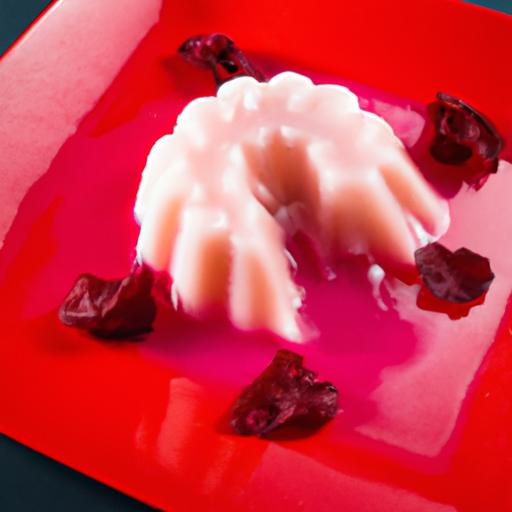
Sweet Surprises often lie hidden within the vibrant markets, humble bakeries, and bustling street food stalls across the globe. This unique dessert showcases the magic that unfolds when exotic ingredients meet time-honored recipes, creating a symphony of flavors that both delight and intrigue. Originating from the fragrant spice bazaars of Southeast Asia and slowly embraced by Western palates, this dessert marries the unassuming tamarind-a tangy, almost citrus-like fruit-with the creamy decadence of classic custard. Each bite offers a surprising balance of tart and sweet, transformed by local traditions and centuries-old techniques.
Prep and Cook Time
- Preparation: 20 minutes
- Cooking: 35 minutes
- Total Time: 55 minutes
Yield
Serves 6 generous portions
Difficulty Level
Medium
Ingredients
- 1 cup tamarind pulp, seeds removed
- 1 ½ cups coconut milk, full fat for richness
- ¾ cup palm sugar, finely grated (substitute with dark brown sugar if unavailable)
- 4 large egg yolks, at room temperature
- 1 tsp vanilla extract
- 1 tbsp tapioca starch, for smooth texture
- ½ tsp freshly grated ginger, optional for warmth
- Pinch of sea salt
- Edible flower petals (like nasturtium or violets), for garnish
Instructions
- Prepare Tamarind Extract: In a small saucepan, combine tamarind pulp with 1 cup of water. Simmer gently over medium heat for 10 minutes, stirring occasionally until soft and fragrant. Strain through a fine sieve to remove fibers; set aside ½ cup for the custard base.
- Heat Coconut Milk and Palm Sugar: In a separate saucepan, whisk the coconut milk with palm sugar and ginger. Warm over low heat until sugar dissolves wholly, about 5 minutes. Remove from heat.
- Whisk Egg Yolks & Thickener: In a bowl, vigorously whisk egg yolks with tapioca starch and vanilla extract until smooth and pale.
- Temper the Custard: Slowly add the warm coconut milk mixture into the egg yolk mixture, whisking constantly to prevent curdling.
- Combine Tamarind & Custard: stir in the reserved tamarind extract and a pinch of sea salt. Pour the entire mixture back into the saucepan.
- Cook the Custard: Cook over medium-low heat,stirring continuously with a wooden spoon or silicone spatula. Once the custard thickens enough to coat the back of the spoon (approximately 5-7 minutes),instantly remove from heat to avoid overheating.
- Chill and Set: Pour custard into serving dishes or ramekins. Cover with plastic wrap touching the surface to prevent skin formation. Refrigerate for at least 2 hours until fully set.
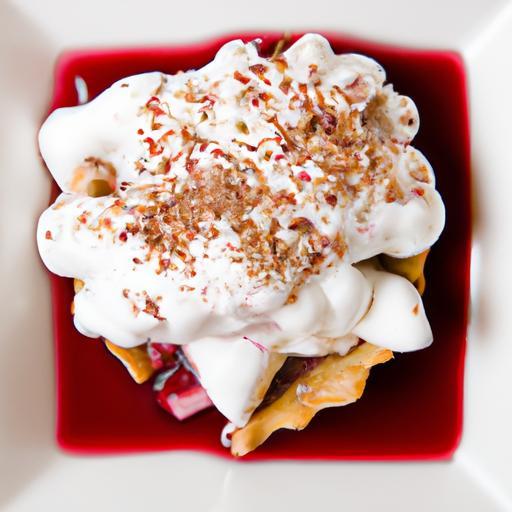
- Garnish and Serve: Just before serving,decorate with edible flower petals and a thin slice of fresh tamarind or a candied ginger piece for an elegant finish.
Chef’s Notes
- Variations: Swap tamarind with passion fruit pulp for a more tropical acidity,or infuse the custard with a subtle cardamom note for extra warmth.
- Substitutions: Use arrowroot starch instead of tapioca for a similarly smooth texture.
- Troubleshooting: If the custard curdles, strain it through a fine mesh and cool quickly to salvage. Ensure tempering is gradual and stirring is consistent.
- Make-Ahead: Prepare the custard a day in advance; its flavors deepen beautifully with time in the fridge.
Serving Suggestions
Present this exotic custard in delicate glass bowls to showcase its silky texture.Serve chilled alongside a crisp jasmine tea or a lightly spiced chai to complement its tart complexity. For an extra layer of indulgence, add toasted coconut flakes or a sprinkle of crushed pistachios for contrast. A drizzle of honey or a light dusting of cinnamon can enhance warmth without overpowering the character of the tamarind.

| Nutrient | Per Serving |
|---|---|
| Calories | 210 |
| Protein | 4g |
| Carbohydrates | 28g |
| Fat | 10g |
To extend your journey into global dessert flavors, check out our collection of spice-rich desserts. For a deeper understanding of tamarind’s culinary uses, visit Encyclopaedia Britannica.
Q&A
Q&A: Sweet Surprises – Exploring Unique Dessert Flavors Worldwide
Q1: What inspired the global fascination with unique dessert flavors?
A1: Around the world,desserts reflect not just sweetness but culture,history,and creativity. The quest for new and surprising flavors stems from a deep desire to connect with local traditions and to awaken the palate with tastes that go beyond sugar and vanilla.Exploring unusual ingredients-like spices, herbs, flowers, and even savory notes-creates desserts that tell stories and offer a true sensory adventure.Q2: Which continents are known for the most unconventional dessert flavors?
A2: Each continent boasts its own remarkable dessert innovations. Asia is famed for infusing desserts with matcha, black sesame, and exotic fruits like durian.Africa introduces bold ingredients such as baobab fruit and hibiscus. South America surprises with combinations like spicy chocolate and tropical fruits. Europe balances tradition with innovation, often incorporating floral essences and artisanal cheeses in sweet forms.Q3: Can you share examples of unique dessert flavors that might surprise a sweet tooth?
A3: Absolutely! Imagine savoring saffron-infused ice cream from Iran-a delicate floral and slightly earthy flavor. In Japan, yuzu citrus provides a shining, zesty punch to mochi treats. Thailand features desserts flavored with pandan leaves, which impart a rich, aromatic sweetness reminiscent of vanilla and coconut. Meanwhile, Morocco’s use of rosewater and orange blossom distills elegance into every bite.
Q4: How do local ingredients influence dessert innovation?
A4: Local ingredients are the heart and soul of unique desserts. They offer freshness, seasonality, and cultural meaning. For instance, the use of tropical fruits like jackfruit or passionfruit allows desserts to capture the essence of their environment. Spices such as cardamom, star anise, or cinnamon introduce warmth and complexity. Even nuts native to certain regions, like macadamias or pili nuts, can shape the texture and flavor profile of sweets.
Q5: Are there any desserts that combine unexpected savory elements to enhance sweetness?
A5: Yes, many chefs and home cooks alike use subtle savory notes to elevate desserts. A sprinkle of sea salt intensifies chocolate’s richness, while a hint of black pepper in fruit-based desserts can add exciting depth. Some Southeast Asian sweets incorporate coconut milk with a touch of ginger or lemongrass, balancing the creamy sweetness with zesty spice. These contrasts make desserts more dynamic and memorable.
Q6: How do cultural traditions shape the flavors and presentation of desserts worldwide?
A6: Cultural rituals, celebrations, and stories carry through to the desserts people create. Such as, India’s use of rose, cardamom, and saffron often ties desserts to festivals and religious ceremonies, making the flavors sacred and also appetizing. In Mexico, the blend of indigenous ingredients with Spanish influences creates unique combinations like chili-spiced chocolate. Presentation styles-from elaborate pastry work in France to rustic street sweets in Vietnam-also reflect identity and artistry.
Q7: What role does innovation play in the future of dessert flavors?
A7: Innovation keeps the world of desserts vibrant and ever-evolving. Chefs experiment with fermentation, new textural elements, and combining botanical ingredients in unexpected ways. Molecular gastronomy unlocks new flavor pairings and sensory experiences that were once unimaginable. As global palates become more adventurous, the boundary between savory and sweet blurs, inviting a continuous flow of sweet surprises.
Q8: How can adventurous eaters start exploring unique dessert flavors at home?
A8: Begin by experimenting with one or two new ingredients-perhaps cardamom in a cake, or matcha powder in cookies. Explore ethnic markets or specialty stores for fresh herbs, spices, and exotic fruits.Try recipes from different cultures and be open to balancing flavors: a little acidity, spice, or even herbal bitterness can create a harmonious dessert that excites the senses. Remember,the journey of revelation is as sweet as the results!
This Q&A invites readers to celebrate the exciting world of desserts beyond the ordinary,encouraging curiosity and gratitude for the global palette of sweet surprises.
In Summary
As we conclude our journey through the world’s most enchanting and unexpected dessert flavors, it’s clear that sweetness knows no bounds. From the spicy depths of chili-infused chocolates to the floral whispers of lavender ice cream, these unique treats invite us to savor more than just sugar-they offer a taste of culture, history, and creativity baked into every bite. So next time your sweet tooth calls, dare to explore beyond the familiar and discover the delightful surprises that await in desserts around the globe. After all, in the realm of sweets, the most memorable flavors are often the ones that surprise us the most.