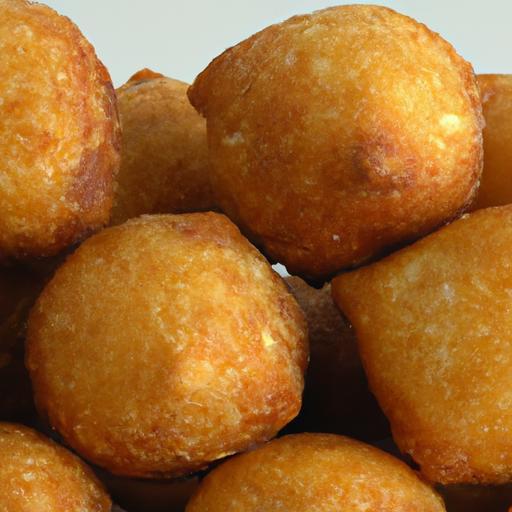
Nestled in the heart of West Africa, the vibrant streets of Ivory Coast are alive with the irresistible aroma of Gbofloto-golden, crispy dough balls that have become a beloved staple of Ivorian cuisine. These delightful bites are more than just a snack; they are a flavorful journey into the culture and traditions that shape the country’s rich culinary tapestry. Whether enjoyed fresh from a bustling market stall or savored during festive gatherings, Gbofloto’s perfectly crispy exterior and soft, airy inside invite both locals and curious food lovers to experience a true taste of Ivory Coast.In this article, we’ll discover the origins, preparation, and cultural significance of these golden treasures, unveiling why Gbofloto continues to capture hearts bite after bite.
The Origins and Cultural significance of Ivorian Gbofloto
Golden Bites: Discover Ivorian Gbofloto, Crispy Dough Balls invites you on a culinary journey to the heart of Côte d’Ivoire, where these irresistibly golden, crunchy, and fluffy fried dough balls carry not just flavour but rich cultural heritage. Gbofloto is more than a snack-it’s a shared experience, often enjoyed at roadside stalls, local markets, and festive gatherings, embodying the warmth and communal spirit of Ivorian life. Traditionally made by skilled vendors using age-old techniques, Gbofloto reflects simplicity turned to perfection-a humble street food staple transformed into a beloved treasure.
Gbofloto’s name lightly echoes in the bustling air of Abidjan’s markets, where families and friends gather around steaming plates, dipping these crispy bites into spicy sauces or sweetened with caramel-like sugar syrups. In Ivory Coast, these dough balls symbolize celebration and everyday joy, made with care and devotion, passed down through generations.
Prep and Cook Time
- Preparation: 20 minutes
- Resting Dough: 45 minutes
- Cooking: 15 minutes
- Total Time: 1 hour 20 minutes
Yield
Makes approximately 30 golden Gbofloto dough balls, perfect for 6 servings as a snack or appetizer.
Difficulty Level
Medium: Requires some experience with frying and dough handling,but very achievable with patience and attention to detail.
Essential Ingredients and Traditional Preparation Tips
- 2 cups all-purpose flour, sifted for lightness
- 1/4 cup granulated sugar for a subtle sweetness
- 1 tablespoon active dry yeast to yield a tender, airy crumb
- 1/2 teaspoon salt for balanced flavor
- 1 cup warm water (about 110°F), to activate the yeast
- 1 tablespoon vegetable oil plus extra for frying, neutral-flavored
- 1 teaspoon vanilla extract (optional, enhances aroma)
Tip: Use warm water to gently activate the yeast-too hot will kill it, too cold slows rising.The flour must be well-sifted to ensure a light texture.
instructions
- Activate the yeast: In a small bowl, dissolve the yeast and 1 teaspoon of sugar in the warm water. Let it sit for 5-10 minutes until frothy and bubbly-this signals the yeast is alive and well.
- Mix the dry ingredients: In a large bowl,whisk together the flour,remaining sugar,and salt evenly.
- Combine wet and dry: Make a well in the center of the dry mix. Pour in the yeast mixture, vegetable oil, and vanilla extract.Stir with a wooden spoon or your hand until a sticky dough forms.
- Knead the dough: Turn the dough onto a floured surface and knead for about 8 minutes until smooth and elastic. A well-kneaded dough ensures a chewy yet tender inside.
- First rise: Place the dough in a lightly oiled bowl, cover with a damp cloth or plastic wrap. Let it rise in a warm, draft-free spot for 45 minutes, or until doubled in size.
- Shape Gbofloto balls: After rising, punch down the dough to release air. Pinch off small portions to form smooth balls, about the size of a walnut (1-1.5 inches diameter).Keep them covered to avoid drying out.
- Heat the oil: In a deep skillet or fryer, heat vegetable oil to 350°F (175°C). Use a thermometer for accuracy; correct temperature is crucial for crispness without absorbing excess oil.
- Fry in batches: Gently drop dough balls into hot oil, frying about 4-6 minutes per batch, turning occasionally with a slotted spoon for even golden browning. Remove when crispy and deep golden.
- Drain and cool: Place fried gbofloto on a rack or absorbent paper towels to drain excess oil. Serve warm for the best texture and flavor.
Tips for Success
- Consistent Oil Temperature: Maintaining 350°F is key to achieve a crisp exterior and fluffy interior without greasiness.
- dough Hydration: adjust water by a tablespoon if dough feels too dense; it should be slightly sticky but manageable.
- Make Ahead: Dough balls can be shaped and frozen on a parchment-lined tray. Fry directly from frozen, adding a minute or two to frying time.
- Flavor Variations: Add finely grated ginger or a pinch of cinnamon to the dough for aromatic complexity.
- Vegan-Amiable: This recipe is naturally vegan; substitute sugar with coconut sugar for a richer flavor.
Serving Suggestions and Flavor Pairings to Elevate Your Gbofloto Experience
Serve Gbofloto fresh and golden alongside a spicy peanut dipping sauce or a zesty tomato relish that contrasts beautifully with thier subtle sweetness. For a traditional touch, pair them with authentic West African sauces and stews-imagine savoring gbofloto dipped in a rich okra sauce or alongside a bowl of light palm nut soup.
Garnish with finely chopped fresh herbs like cilantro or parsley and a light dusting of powdered sugar for a street-food style presentation that dazzles both eyes and palate. Their crispy, golden exterior and tender, airy inside make Gbofloto perfect finger food for social gatherings or an indulgent snack with your favorite hot beverage.
| Nutrient | Per Serving (5 balls) |
|---|---|
| Calories | 210 kcal |
| Protein | 4 g |
| Carbohydrates | 28 g |
| Fat | 9 g |

Q&A
Q&A: Golden Bites – Discover Ivorian Gbofloto, Crispy Dough Balls
Q1: What is Gbofloto?
A: Gbofloto is a beloved traditional snack from Côte d’Ivoire (Ivory Coast). These are golden, crispy dough balls that are lightly sweetened and deep-fried to perfection. They’re a staple street food,often enjoyed as a breakfast treat or a delightful snack throughout the day.
Q2: How would you describe the texture and flavor of Gbofloto?
A: Gbofloto boasts a crispy exterior that crackles with each bite, giving way to a soft, fluffy inside. The flavor is subtly sweet, frequently enough enhanced with hints of vanilla or nutmeg, making it comforting and satisfying without being overly sugary.
Q3: What are the key ingredients in Gbofloto?
A: The dough is made from a simple yet harmonious blend of flour, sugar, yeast, a pinch of salt, and water or milk. Some recipes call for a touch of nutmeg or vanilla extract to add a fragrant warmth to the dough. The magic really happens when these dough balls are deep-fried until they puff up and turn golden brown.
Q4: Is Gbofloto prepared differently in various parts of Ivory Coast?
A: Yes! While the core recipe remains consistent, regional variations add unique touches. Some communities might add a little coconut milk to enrich the dough, while others prefer a slightly less sweet version or serve Gbofloto sprinkled with powdered sugar or accompanied by spicy dipping sauces.Q5: When and how are Gbofloto typically enjoyed?
A: Gbofloto is incredibly versatile. It’s commonly eaten in the morning with a cup of spiced tea or coffee, or as a mid-morning or afternoon snack. Vendors selling Gbofloto fill the streets of Ivorian cities and towns, offering passersby warm, fresh, and utterly irresistible golden bites.
Q6: Are there any cultural or social significances associated with Gbofloto?
A: Gbofloto isn’t just food; it’s a symbol of community and tradition. Sharing these dough balls during family gatherings or festivals evokes a sense of togetherness. The simple joy of biting into a Gbofloto connects generations, preserving a sweet piece of Ivorian heritage.
Q7: Can Gbofloto be made at home? Any tips for beginners?
A: Absolutely! Making Gbofloto at home is both fun and rewarding. The key is to let the dough rise well to achieve that light, airy texture inside. When frying, keep the oil at the right temperature-too hot and the outside burns before the inside cooks; too cool and the dough absorbs too much oil. Patience and practice make perfect golden bites!
Q8: Are there any popular accompaniments or dipping options for Gbofloto?
A: Traditionally, Gbofloto can be enjoyed plain or with a dusting of powdered sugar. Some like pairing them with honey or a sweet fruit jam for extra flavor. Interestingly, some street vendors offer spicy ketchup or chili sauces, which create an exciting sweet-and-spicy contrast beloved by many locals.
Q9: How does Gbofloto compare to other fried dough snacks around the world?
A: While fried dough is a global phenomenon, Gbofloto’s charm lies in its simplicity and balanced sweetness. Unlike many heavier or more intensely flavored variants, Gbofloto offers a delicate, airy bite with just the right touch of sweetness, making it uniquely Ivorian and irresistibly delightful.
Q10: Where can travelers experience authentic Gbofloto?
A: To savor the true taste of Gbofloto, visit bustling markets or street food stalls across abidjan and other Ivorian cities. The scent of fresh-fried Gbofloto wafting through the air is a sure sign you’re near a vendor ready to serve you a warm, golden bite of Ivorian tradition.
Wrapping Up
As the warm, golden Gbofloto finally melt away, leaving behind the delicate sweetness of palm sugar and the comforting aroma of freshly fried dough, one thing becomes clear: these crispy dough balls are far more than a simple treat. They are a bite-sized celebration of Ivorian culture, a delicious bridge connecting generations through shared moments and flavors. Whether enjoyed on a bustling street corner or in the quite comfort of home, Gbofloto invite you to savor not just their crispy exterior, but the rich history and vibrant spirit that give them life. So next time you seek a snack that’s both crunchy and soulful, remember the golden bites of Côte d’Ivoire-each one a little piece of culinary sunshine.