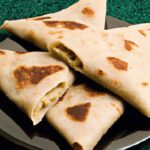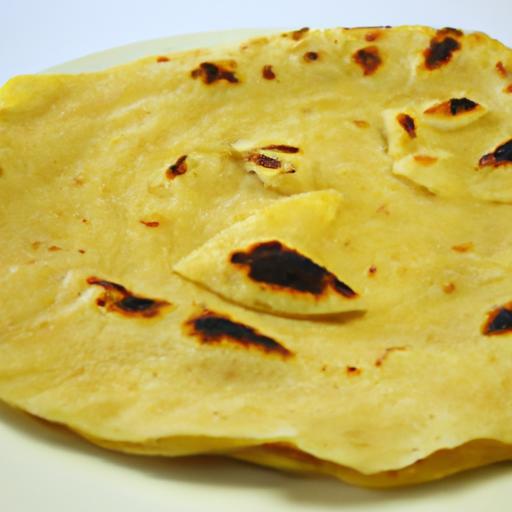
In the bustling markets and humble kitchens of Kenya, a humble flatbread unfolds not just its soft, golden layers but a story steeped in culture, tradition, and everyday joy. Kenyan chapati, with its flaky texture and warm aroma, is far more then a simple accompaniment to meals-it is indeed a beloved delight that has woven itself into the fabric of Kenyan life. From street vendors skillfully rolling out its delicate sheets to families gathering around plates brimming with this culinary treasure, chapati invites us to explore the rich layers of history and heritage that make it an enduring symbol of comfort and community. Join us as we peel back the folds of Kenyan chapati, discovering the magic behind its creation and the place it holds in hearts and homes across the nation.
Kenyan chapati has become a cherished staple in east African kitchens, celebrated for its irresistibly flaky layers and comforting aroma. Originating from Indian flatbreads introduced by Indian migrants settling in Kenya, this beloved delight has evolved into a uniquely Kenyan culinary treasure. What sets it apart is its buttery texture and the way it delicately unfolds in flaky tiers-every bite a soft yet crisp experience that embodies warmth, tradition, and community.
Prep and Cook Time
- Preparation: 20 minutes
- Resting Time: 30 minutes
- Cooking: 15 minutes
- Total Time: 1 hour 5 minutes
yield
Makes 6 large chapatis, perfect for serving 3-4 people.
Difficulty Level
Medium – requires some patience to master the flaky layering but accessible to keen home cooks.
ingredients
- 2 cups all-purpose flour, sifted
- 1 tsp salt
- 1 tbsp vegetable oil (plus extra for layering and frying)
- 3/4 cup warm water (adjust as needed)
- 2 tbsp melted butter or ghee (for folding layers)
Instructions
- Combine Flour and Salt: In a large mixing bowl, whisk together the all-purpose flour and salt until evenly blended.
- Add Oil: Drizzle in the vegetable oil and rub it into the flour with your fingertips, creating a breadcrumb texture to encourage flakiness.
- Incorporate Water Gradually: Slowly pour the warm water into the dry ingredients while mixing with your hand or a wooden spoon to form a soft but elastic dough.
- Knead the Dough: Transfer the dough to a lightly floured surface. Knead vigorously for about 8-10 minutes until smooth and supple. Cover the dough with a damp cloth and let it rest for 30 minutes. This resting period relaxes the gluten to make rolling easier.
- Divide and roll: After resting, divide the dough into 6 equal balls.Roll each ball into a thin circle about 7-8 inches in diameter, dusting lightly with flour to prevent sticking.
- Layer with Butter: Brush the rolled circle lightly with melted butter or ghee. Then, fold the dough into a triangle or roll it into a log and coil it into a round bun, pressing it down gently. This technique is vital to achieving those signature flaky layers.
- Roll Out Final Shape: Roll out each layered dough ball carefully into a flat disc, maintaining thinness without tearing.
- Cook on Hot Pan: Heat a cast-iron skillet or heavy frying pan over medium-high heat. place a chapati on the dry hot pan.Cook for 1-2 minutes until bubbles form, then flip. Drizzle a little oil around the edges and cook for another 1-2 minutes until golden spots appear and edges crisp.
- Repeat and Serve Warm: Continue with remaining dough balls. Stack cooked chapatis, covering them with a clean cloth to keep warm and soft.
Tips for Success
- Perfect Dough Consistency: Aim for a pliable dough that’s not too sticky or dry.Add water slowly to control texture.
- Rest is Key: Don’t skip the resting phase; it helps relax the gluten, making rolling out layers effortless.
- Butter Layers: Use melted butter or ghee generously between folds for classic flaky texture and rich flavor.
- Pan Temperature: A hot pan ensures the chapati puffs up and cooks evenly without becoming tough.
- Make Ahead: Prepared chapati dough can be refrigerated for up to 24 hours.Allow it to come to room temperature before rolling.
- Substitutions: For a whole-grain boost, swap half the flour with whole wheat flour, adjusting water accordingly.
Serving Suggestions
Kenyan chapati is delightfully versatile and can elevate any meal.Serve warm alongside rich, aromatic dishes like Kenyan beef stew or creamy lentil sauces. Garnish with chopped fresh coriander or serve with a dollop of spiced chutney for a zesty contrast. For breakfast, pair it with sautéed vegetables or avocado and a sprinkle of chili flakes. Stacking chapatis wrapped in a linen cloth preserves their warmth, making them ideal for sharing around the family table.

| Nutrient | Per Chapati (Approx.) |
|---|---|
| Calories | 180 kcal |
| protein | 5 g |
| carbohydrates | 28 g |
| Fat | 6 g |
To explore more authentic Kenyan recipes that complement the rich, flaky texture of chapati, be sure to check out our Kenyan Cuisine Guide. For a deeper dive into the origins of flatbreads globally, this britannica article on chapati offers authoritative insights.
Q&A
Q&A: Kenyan chapati – Unfolding the Layers of a Beloved Delight
Q1: What makes Kenyan chapati different from other types of flatbreads?
A1: Kenyan chapati is a unique twist on the traditional Indian flatbread, characterized by its flaky, layered texture and rich, buttery flavor. Unlike many flatbreads that are soft and pliable, Kenyan chapati is folded and rolled in a way that creates multiple thin, delicate layers, almost like a savory pastry. This distinctive technique results in a delightful chewiness paired with a crisp exterior.
Q2: How did chapati become a staple in Kenyan cuisine?
A2: Chapati was introduced to Kenya through Indian immigrants during the colonial era, but it quickly integrated into local food culture and evolved.The Kenyan version reflects a fusion of culinary traditions, marrying Indian techniques with East African ingredients and tastes. Over time, chapati has become a beloved comfort food, commonly enjoyed in homes and street markets across the contry.
Q3: What are the key ingredients used in making Kenyan chapati?
A3: The essence of Kenyan chapati lies in simple, accessible ingredients: all-purpose flour, water, a pinch of salt, and oil or ghee for layering and cooking. The magic happens in the technique-rolling, folding, and stretching the dough repeatedly to create those signature layers that puff and separate when cooked.
Q4: Can Kenyan chapati be adapted to suit dietary preferences?
A4: Absolutely! Kenyan chapati is naturally vegetarian and can be made vegan by using vegetable oil rather of ghee or butter. For those who prefer gluten-free options,experimenting with alternative flours might require some tweaks,but the essence of layering can still be achieved with patience and creativity.
Q5: How is Kenyan chapati typically served?
A5: Kenyan chapati is wonderfully versatile. It’s often paired with flavorful stews featuring legumes, vegetables, or beef, soaking up rich sauces with every bite. It can also be enjoyed as a snack on its own, with a sprinkle of sugar or a side of chutney, making it perfect for any time of the day.
Q6: What tips can definitely help someone master the perfect Kenyan chapati at home?
A6: Patience is key! Allowing the dough to rest ensures it’s elastic and easier to roll out thinly. When rolling, dust generously with flour to prevent sticking, and use plenty of oil between layers to achieve crispness and flakiness. Cook over medium heat to get an even golden color without burning, and flip gently to keep those layers intact.
Q7: Beyond flavor, what cultural importance does chapati hold in kenya?
A7: Chapati is more than just food; it symbolizes unity and festivity. It’s a shared experience at family gatherings, festivals, and daily meals alike. Each fold and layer echoes the melding of histories and peoples, making every chapati a flavorful story of kenya’s rich culinary heritage.
Q8: Are there any modern variations of Kenyan chapati?
A8: Yes! Contemporary cooks have started experimenting by incorporating herbs, spices like turmeric or chili flakes, or even stuffing chapati with savory fillings such as sautéed vegetables or spiced beans. These innovations keep the tradition alive and vibrant, inviting new generations to enjoy this versatile delight with fresh twists.
Through these questions and answers, the intricate art and cultural heartbeat of Kenyan chapati unfold, revealing why it remains a cherished treasure on the East African table.
Future Outlook
as the aroma of warm, flaky Kenyan chapati lingers in the air, it invites us not only to savor its buttery, layered goodness but also to appreciate the rich tapestry of culture and tradition woven into every fold. More than just a staple on Kenyan tables, chapati embodies a culinary story of resilience, community, and shared joy. so, the next time you unwrap a chapati, remember you’re unfolding more than dough-you’re unwrapping a beloved delight that carries with it the heart and history of Kenya.