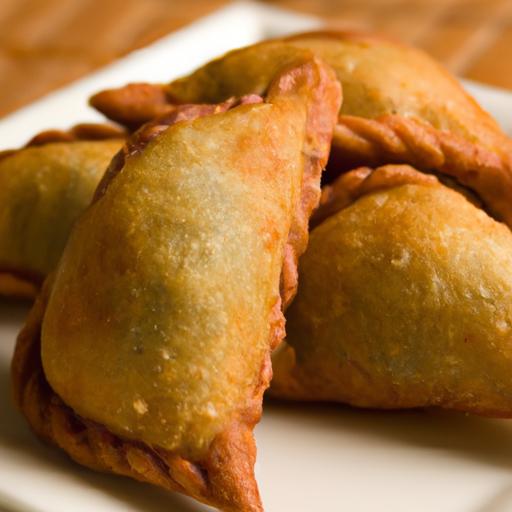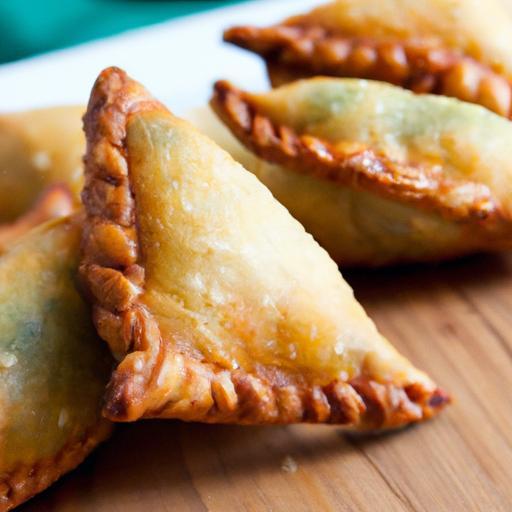
Crisp, golden, and bursting with a medley of tantalizing flavors, the Kenyan samosa is much more than just a snack-it’s a vibrant culinary story wrapped in a delicate, flaky pastry. While its roots trace back to traditional samosas found across South Asia and the Middle East, the Kenyan version infuses local spices and ingredients, creating a savory twist that delights the palate and reflects the country’s rich cultural tapestry. In this article, we’ll explore how this beloved snack has evolved in Kenya, uncovering the secrets behind its unique fillings, readiness techniques, and its enduring popularity as a go-to treat for street food lovers and festive occasions alike. Join us on a flavorful journey to discover why the Kenyan samosa stands out as a classic snack with a deliciously distinctive identity.
Kenyan samosa is a culinary gem that beautifully marries East African zest with Indian snack traditions,creating a savory delight that ignites both comfort and curiosity. Originating from the rich Swahili coast trade routes and the bustling markets of nairobi,this snack is far more than just a crispy treat-it’s a story of cultural fusion and innovative flavors that stands out distinctly from its South Asian cousins. What truly defines Kenyan samosa is its unique blend of spices-think bold cumin, earthy coriander, and vibrant cardamom-combined with a filling that often features minced beef or fresh vegetables, enhanced by a hint of tangy lime and fresh herbs to deepen its character and zest.
Prep and Cook Time
- Preparation: 30 minutes
- Cooking: 20 minutes
- Total Time: 50 minutes
Yield
Approximately 24 medium-sized samosas (serves 6-8 as snacks or appetizers)
difficulty Level
Medium: Requires some skill in folding and frying, but manageable for all levels with clear guidance.
Ingredients
- For the dough:
- 2 cups all-purpose flour, sifted
- 1/2 teaspoon salt
- 3 tablespoons vegetable oil or melted ghee
- 3/4 cup warm water (adjust as needed)
- For the filling:
- 400 grams minced beef (or minced lamb for variation)
- 1 medium onion, finely chopped
- 2 cloves garlic, minced
- 1 tablespoon fresh ginger, grated
- 1 green chili, finely chopped (optional)
- 1 teaspoon ground cumin
- 1 teaspoon ground coriander
- 1/2 teaspoon garam masala
- 1/4 teaspoon cardamom powder
- 1 medium potato, boiled and diced
- 1/4 cup fresh cilantro, chopped
- Juice of 1 lime
- Salt and freshly ground black pepper to taste
- Vegetable oil, for deep frying
Instructions
- Prepare the dough: In a large mixing bowl, combine the all-purpose flour and salt. Stir in the vegetable oil until the mixture resembles coarse crumbs.Gradually add warm water while kneading to form a smooth, elastic dough. Cover with a damp cloth and set aside for 30 minutes.
- Cook the filling: Heat 2 tablespoons of vegetable oil in a skillet over medium heat. Add the onion, sauté until translucent. Stir in garlic, ginger, and green chili, cooking for 2 minutes until fragrant.
- Add the minced beef to the skillet, breaking it up with a spatula. Cook until browned, about 7-8 minutes.
- Sprinkle in cumin, coriander, garam masala, and cardamom. Mix well and sauté for another 2 minutes to toast the spices.
- Fold in the diced boiled potato and cook for 3 more minutes, combining flavors gently. Season with salt, pepper, and fresh lime juice. Remove from heat and stir in chopped cilantro. Let cool slightly.
- Form the samosas: Divide the dough into 12 equal portions. Roll each into a thin oval or circle (about 6 inches diameter). Cut each piece in half to form two semi-circles.
- Take one semi-circle and fold it into a cone shape, sealing the edge with a little water.
- Fill the cone with 1 to 2 tablespoons of the beef filling, then wet the open edges and pinch closed tightly to prevent leakage.
- Repeat with remaining dough and filling.
- Fry the samosas: Heat vegetable oil in a deep pan to 350°F (175°C).Fry samosas in batches until golden brown and crisp, about 3-5 minutes per batch. Remove with a slotted spoon and drain on paper towels.
- Serve warm with your favorite chutneys or sauces.
Tips for Success
- Knead the dough until firm yet pliable to avoid samosas cracking during frying.
- Use medium heat when frying to ensure samosas cook evenly without becoming oily.
- For a vegetarian twist, replace minced beef with a mixture of finely diced carrots, peas, and mushrooms seasoned identically.
- prep samosas ahead,freeze uncooked,and fry straight from frozen for a rapid snack.
- Avoid overfilling the cones to ensure perfect sealing and uniform cooking.
Serving Suggestions
Kenyan samosa pairs beautifully with cooling, tangy dips like mango chutney, mint yogurt sauce, or a spicy tomato sambusa sauce. For an elegant touch,garnish plates with freshly chopped cilantro and thin slices of lime,enhancing both aroma and presentation. These crispy treats are perfect alongside a cup of Kenyan chai tea or a crisp, refreshing kachumbari salad, offering balance to their rich, savory flavor.

| Nutrient | Per Samosa (approx.) |
|---|---|
| Calories | 150 kcal |
| Protein | 7 g |
| Carbohydrates | 15 g |
| Fat | 7 g |
To deepen your understanding of the rich spices that define this dish, explore the [World Spice Trail](https://www.worldspicetrail.com) for vibrant histories and tips. For another iconic East African snack, try out our detailed guide on Mandazi Coconut Doughnuts-deliciously pairing with kenyan samosa for any festive spread.
Q&A
Q&A: Kenyan Samosa – A Savory twist on a Classic snack Delight
Q1: What makes kenyan samosas different from traditional samosas found elsewhere?
A1: Kenyan samosas are a vibrant fusion of classic Indian influences and local East African flavors. While retaining the iconic triangular shape and crispy pastry, Kenyan samosas frequently enough feature a diverse range of fillings-from spiced beef and chicken to fresh vegetables and even lentils-infused with unique blends of local spices such as coriander, cumin, and turmeric. This fusion creates a snack that’s both familiar and refreshingly distinct.
Q2: What are the typical ingredients in a Kenyan samosa filling?
A2: A traditional Kenyan samosa filling often includes finely minced beef or chicken, mixed with sautéed onions, garlic, ginger, fresh chili, and an aromatic medley of spices like cardamom, cinnamon, and cloves. Vegetarian versions commonly highlight spiced potatoes, peas, carrots, lentils, or even spinach, combining wholesome textures with soulful seasoning.
Q3: How is the samosa dough prepared in Kenya?
A3: The dough is usually made from simple ingredients: all-purpose flour, a pinch of salt, water, and a touch of oil. The dough is kneaded until smooth and elastic, then rolled out thinly to create the delicate, flaky exterior that crisps perfectly when fried. Some cooks add a hint of semolina or cornstarch to the dough for added crunch.
Q4: Are samosas in kenya typically fried or baked?
A4: Traditionally, kenyan samosas are deep-fried to achieve their signature golden-brown, crispy shell. The hot oil seals in the flavorful filling,creating a tempting contrast between crispy exterior and juicy,spiced interior. Recently, some health-conscious versions are baked, offering a lighter twist, but frying remains the classic method.
Q5: When and where are Kenyan samosas usually enjoyed?
A5: Kenyan samosas are a beloved snack across the country, commonly found at street food stalls, local markets, and social gatherings. Thay’re enjoyed as a quick treat any time of day-whether as a mid-morning pick-me-up, an afternoon snack with chai tea, or appetizers during celebrations and communal feasts.
Q6: What are some popular accompaniments or dips served with Kenyan samosas?
A6: Kenyan samosas are often paired with tangy tamarind chutney, zesty mango chutney, or a cooling yogurt-based dip infused with mint and coriander.Sometimes, they accompany a fiery chili sauce that enhances their bold flavors, making every bite a layered sensory experience.
Q7: How has the Kenyan samosa influenced the wider East African culinary scene?
A7: The Kenyan samosa has become a cultural icon, inspiring cooks across East Africa to experiment with local ingredients and novel fillings. Its adaptability showcases the region’s rich culinary diversity, blending Indian culinary heritage with indigenous tastes. This snack symbolizes the harmonious fusion of cultures and continues to captivate palates far beyond Kenya’s borders.
Q8: Can samosas be prepared ahead of time and stored?
A8: Absolutely! Prepared samosas can be kept refrigerated for a day or two before frying,making them a convenient option for gatherings. for longer storage, freezing them uncooked is ideal-just spread them on a tray to freeze individually before transferring to a container.When ready, fry straight from the freezer for crispy, freshly cooked perfection.
The Way Forward
As the golden, crispy edges of a Kenyan samosa give way to a burst of flavorful fillings, it becomes clear that this beloved snack is more than just a simple treat-it’s a vibrant tapestry of culture, history, and culinary ingenuity. From bustling street markets to family gatherings, the kenyan samosa stands as a savory testament to the nation’s knack for blending tradition with innovation. Whether stuffed with spiced beef, tangy vegetables, or exotic legumes, each bite tells a story of heritage and hearty hospitality. So next time you reach for a snack, consider the Kenyan samosa-not just a savory delight, but a flavorful journey capturing the spirit of a nation, one crispy triangle at a time.