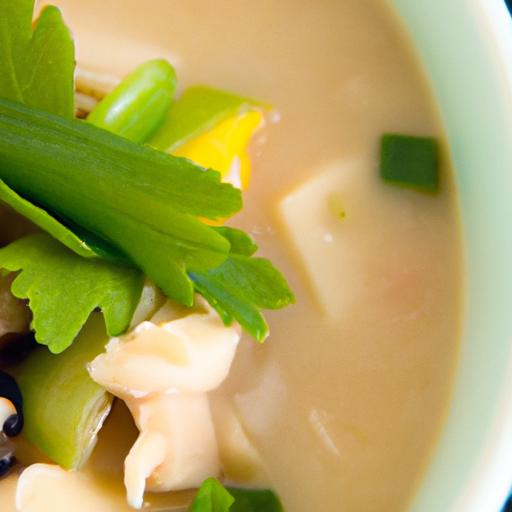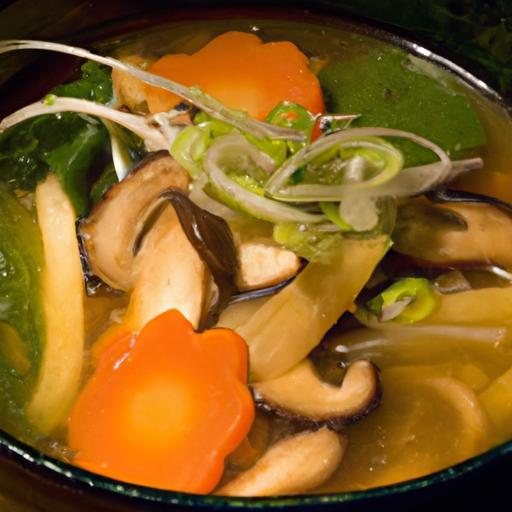
There’s something undeniably comforting about a steaming bowl of soup-its fragrant aromas swirling in the air, the warmth radiating through your hands, and the rich, layered flavors unfolding with every spoonful. Across Asia, soups are more than just a starter or a simple meal; they are a festivity of culture, tradition, and culinary artistry. From the spicy,herbal depths of Thai tom yum too the delicate,umami-rich broths of Japanese miso,Asian soups invite us on a flavorful journey that warms both body and soul.In this article, we’ll explore a tantalizing selection of Asian soup recipes that promise to elevate your kitchen repertoire and bring a cozy, exotic touch to your table. Whether you seek bold spices, soothing simplicity, or vibrant textures, these warm bowls are ready to inspire your next flavorful adventure.
The Art of Balancing Flavors in Asian Warm Bowls
Warm bowls: exploring flavorful Asian soup recipes to try invites you into a world where every sip is a dance of sweet, salty, sour, and umami. rooted deeply in regional traditions-from the herbal broths of Vietnam to the spicy depths of Sichuan-Asian warm bowls excel at delivering comfort with bold, nuanced character. I recall my first encounter with a steaming bowl of Thai tom yum; the pungent lemongrass and fiery chilies transformed my cold afternoon into a sensory celebration. This charismatic harmony is why crafting these soups at home is as rewarding as it is heartwarming.
Prep and Cook Time
- Preparation: 20 minutes
- Cook: 40 minutes
- Total Time: 1 hour
Yield
Serves 4 generous portions
Difficulty Level
Medium – perfect for adventurous home cooks eager to explore layers of flavor
Ingredients
- 6 cups low-sodium chicken or vegetable broth
- 1 stalk lemongrass, bruised and sliced
- 3 slices fresh galangal or ginger
- 4 kaffir lime leaves, torn
- 2 cloves garlic, minced
- 1 medium shallot, thinly sliced
- 200g (7 oz) firm tofu, cubed
- 100g (3.5 oz) rice noodles, soaked and drained
- 200g (7 oz) fresh mushrooms (shiitake or oyster), sliced
- 2 tbsp fish sauce (or soy sauce for vegetarian option)
- 1 tbsp lime juice, freshly squeezed
- 1 tsp palm sugar or brown sugar
- 1 small red chili, thinly sliced (optional)
- Fresh coriander, chopped for garnish
- 2 green onions, sliced diagonally
- 1 tbsp toasted sesame oil
Instructions
- Build the broth foundation: In a large soup pot, combine the broth, lemongrass, galangal, and kaffir lime leaves. bring to a gentle boil, then reduce to a simmer. Let the broth infuse for 20 minutes to extract fragrant oils and vibrant flavors.
- Prepare aromatics: While the broth simmers, heat a tablespoon of sesame oil in a pan over medium heat. Add garlic and shallot and sauté until golden and fragrant,about 3 minutes.This step releases deeper savory notes essential for balance.
- Add aromatics to broth: Strain out the lemongrass, galangal, and lime leaves from the broth, then stir in the sautéed garlic and shallots.
- Simmer vegetables and tofu: Add the mushrooms and tofu cubes, simmering gently for 10 minutes until they soften and soak up the broth’s essence.
- Season with care: Stir in fish sauce, lime juice, and palm sugar. Taste and adjust as needed – the interplay of salty, sour, and sweet here defines the bowl’s heart.
- Prepare noodles: In the final 2 minutes, add soaked rice noodles, allowing them to absorb warmth without becoming mushy.
- Finish with fresh heat: Add sliced red chili for a subtle kick, if desired.
- Serve and garnish: Ladle the soup into bowls and generously sprinkle with chopped coriander and green onions.
Tips for Success
- Broth base: Use homemade or high-quality low-sodium broth for a cleaner taste that allows the herbs to shine.
- Ingredient swaps: Substitute tofu for shredded chicken or add shrimp for protein variation, ensuring all seafood is fresh.
- lemongrass prep: Bruising lemongrass stalks with a knife before slicing releases maximum fragrance-don’t skip this step!
- Make ahead: Prepare the broth a day in advance to let flavors mature. Reheat gently before assembling the bowl.
- Noodle timing: Add noodles just before serving to maintain their perfect texture, avoiding sogginess.
Serving Suggestions
This warm bowl shines best when served piping hot in deep ceramic bowls,wich retain heat beautifully. Accompany with a wedge of lime on the side for an extra burst of brightness and a small dish of chili oil for guests who prefer added fire. A sprinkle of toasted crushed peanuts or fried shallots adds delightful crunch and textural contrast. Pair with simple jasmine rice or steamed greens to round out the meal.

| Nutrient | Per Serving |
|---|---|
| Calories | 280 kcal |
| Protein | 18 g |
| Carbohydrates | 24 g |
| Fat | 8 g |
For a deeper dive into traditional Asian broths and their medicinal qualities, visit Serious Eats’ Asian Soup Guide.
explore more nourishing recipes in our Asian Vegetarian Soups collection that pairs perfectly with these warm bowls.
Q&A
Q&A: Warm Bowls – Exploring Flavorful Asian Soup Recipes to Try
Q1: what makes Asian soups so uniquely flavorful and comforting?
A1: Asian soups are a symphony of layers-carefully balanced broths infused with aromatics like ginger, lemongrass, and star anise create a deep, inviting base. The harmony of fresh herbs, umami-rich ingredients like miso or soy sauce, and textures from noodles, tofu, or vegetables make every spoonful both comforting and exciting. These soups frequently enough reflect centuries of culinary tradition, blending simplicity with complexity in a bowl.
Q2: Which Asian soups are perfect warm bowls to try at home for beginners?
A2: A great starting point is the classic Japanese miso soup-light, nutritious, and fast to make. Vietnamese pho, with its fragrant broth and fresh herbs, offers a hands-on, interactive eating experience. Thai tom yum soup brings a spicy-sour punch that awakens the palate without overwhelming it. These soups provide a spectrum of flavors and are approachable for cooks new to Asian cuisine.Q3: How can I make my Asian soup broths more flavorful without relying on animal products?
A3: Plant-based broths can be incredibly rich by simmering a combination of dried shiitake mushrooms, kombu (kelp), ginger, garlic, and onions. Adding miso paste or fermented bean pastes introduces umami depth, while toasted sesame oil or chili flakes bring additional layers. Fresh herbs like cilantro, Thai basil, and green onions can be added just before serving to brighten and freshen flavors.
Q4: What textures and toppings are essential to personalize my warm bowl experience?
A4: Texture is key! Think silky tofu, tender rice noodles, crisp bean sprouts, crunchy peanuts, or popping corn kernels. Soft-boiled eggs add creaminess, while fresh lime wedges and chili slices provide contrast and zing. Personalize your bowl with garnishes like fried garlic, scallions, or fresh herbs-each addition layers new dimensions to your soup adventure.
Q5: Can you recommend some lesser-known asian soups that deserve more love?
A5: Absolutely! Try the Korean kongguksu-a chilled soybean noodle soup with a creamy,nutty broth perfect for warm days. Myanmar’s mohinga offers a comforting fish-based noodle soup irresistible for its lemongrass and turmeric notes. Or explore Japan’s ozoni,a festive rice cake soup simmered with delicate dashi broth and seasonal greens-each one telling a unique story of regional culture and flavor.
Q6: What tips can definitely help when cooking Asian soups to balance flavors perfectly?
A6: Taste as you go and adjust ingredients gradually-balance saltiness with sweetness or acidity, and heat with cooling elements like coconut milk or fresh herbs. Simmer broths gently to develop richness without bitterness, and don’t rush the layering of flavors-letting ingredients mingle over time increases depth. Remember, every bowl is a personal journey in finding what satisfies your palate best.
Q7: How can I incorporate seasonal vegetables into my Asian soup creations?
A7: Embrace the seasons by adding what’s fresh and vibrant-crisp snow peas and bok choy in spring, hearty daikon and carrots in winter, or juicy tomatoes and corn in summer. Seasonal veggies naturally add sweetness, texture, and color, enhancing both nutrition and presentation. Simply adjust cooking times to keep vegetables tender but vibrant, ensuring your warm bowl stays lively.
Exploring Asian soups is a delicious voyage through centuries of tradition, bold aromas, and warm comfort-all waiting for you to savor one flavorful spoonful at a time.
To Conclude
As the steam rises from these warm bowls, it carries with it more than just enticing aromas-it delivers a glimpse into the rich tapestry of Asian culinary traditions. Whether you’re drawn to the fiery depths of a spicy Korean kimchi jjigae or the soothing simplicity of a fragrant Japanese miso soup, these recipes invite you to savor not only their flavors but also the stories they tell. Embracing these hearty soups in your kitchen is more than a meal; it’s a comforting ritual, a flavorful journey, and a celebration of culture all in one bowl. So heat up your stove, gather your ingredients, and let these Asian soups warm your soul one spoonful at a time.