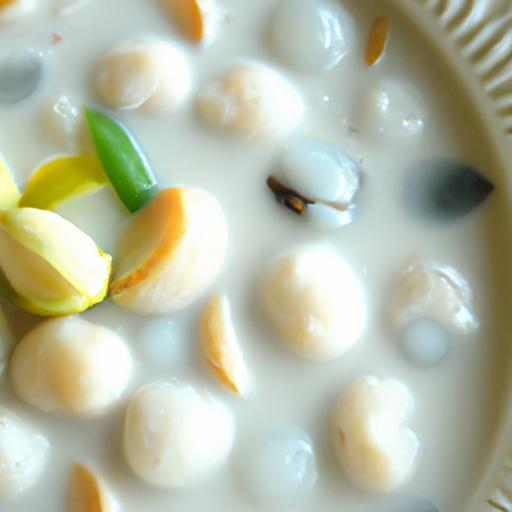
Nestled within the vibrant tapestry of Thai cuisine lies a dessert that is as comforting as a warm embrace-Bua Loy. These delicate, chewy rice dumplings floating in a fragrant, velvety pool of coconut milk invite both curiosity and delight. more than just a sweet treat, Thai Bua Loy carries centuries of tradition and cultural meaning, blending simple ingredients into a symphony of texture and flavor. In this exploration,we dive into the origins,preparation,and sensory pleasures of Bua Loy,uncovering why this humble dessert continues to captivate palates and hearts across Thailand and beyond. Whether you’re a seasoned foodie or new to Thai sweets,join us on a tasty journey through the world of sweet rice dumplings in creamy coconut milk.
Origins and Cultural Significance of Thai Bua Loy
Thai Bua Loy is more than just a comforting dessert; it’s a culinary bridge to Thailand’s rich history and vibrant culture.Traditionally savored during festive occasions and family gatherings, this sweet soup featuring delicate rice dumplings swimming in luscious coconut milk carries deep symbolism. The round shape of the dumplings is said to represent unity and happiness, making it a favored treat during celebrations like Loy Krathong, where light and harmony are honored. Growing up in Bangkok, I vividly remember warm evenings where the aroma of simmering coconut milk filled the air as my grandmother rolled tiny dumplings by hand, teaching me that food is love. today, Thai Bua Loy continues to be a heartwarming reminder of heritage, crafted with patience and affection in kitchens across Thailand.
Crafting the perfect Sweet Rice Dumplings for Authentic Texture
The magic of thai Bua Loy truly begins with the dumplings. These bite-sized spheres need a tender yet chewy texture to complete the dessert’s signature comfort. Achieving this balance starts with the right glutinous rice flour-ensure it’s finely milled and fresh. When mixing, add just enough water to form a smooth, pliable dough that doesn’t crack but holds its shape. Rolling the dough into uniform small balls,roughly the size of marbles,ensures even cooking. Boil them gently untill they float to the surface-this visual cue means they’re perfectly cooked. For an inviting pop of color, naturally tint portions of the dough with ingredients like pandan juice or beetroot powder, enhancing both the aesthetic and the flavor profile without overpowering the coconut sweetness.
The Role of Coconut Milk in Elevating Flavor and Creaminess
The creamy foundation of Thai Bua Loy, the coconut milk, is integral for enriching the dish with its velvety texture and luscious sweetness. Opt for fresh, full-fat coconut milk whenever possible-the richness elevates the soup, creating a beautifully rounded mouthfeel. To deepen the flavor, simmer the coconut milk gently with aromatics such as pandan leaves and a pinch of salt; this contrast heightens the natural sweetness of palm sugar or brown sugar added later. the slow infusion of these fragrant elements is key to achieving that irresistible balance between lightness and indulgence. When served warm, the coconut milk envelops each rice dumpling, turning every spoonful into a creamy embrace.
Expert Tips for Customizing Your Bua Loy Experience at Home
Making Thai Bua Loy at home is an invitation to creativity. While the classic recipe shines on its own, here are some expert ways to personalize your bowl. Vary the fillings inside dumplings by adding sweetened black sesame paste, crushed peanuts, or jaggery for bursts of texture and flavor. For a modern twist, try substituting part of the glutinous rice flour with rice flour or tapioca starch for a chewier bite. Adjust sweetness by choosing between palm sugar, brown sugar, or coconut sugar to suit your palate. For herbal fragrance, infuse the coconut milk with kaffir lime leaves or a strip of fresh turmeric, adding subtle brightness to each spoonful. when serving, top with crispy toasted mung beans or a sprinkle of shredded coconut for a delightful contrast. Lastly, this dessert can easily be enjoyed chilled during warmer months, transforming it into a refreshing treat. Embrace these variations as a way to honor tradition while crafting your personal Thai Bua Loy story.
Prep and Cook Time
- Preparation: 20 minutes
- Cooking: 15 minutes
- Total: 35 minutes
Yield
Serves 4 generous portions
Difficulty Level
Easy to Medium – perfect for adventurous home cooks looking to explore authentic Thai desserts
Ingredients
- 1 cup glutinous rice flour, sifted
- ½ cup warm water (adjust as needed)
- ¼ cup palm sugar or brown sugar, finely chopped
- 2 cups full-fat coconut milk
- 1 pandan leaf (optional, tied into a knot)
- Pinch of salt
- Black sesame paste or crushed peanuts (optional filling)
- toasted mung beans or shredded coconut for garnish (optional)
instructions
- Prepare the dough: In a mixing bowl, combine glutinous rice flour and warm water gradually, stirring until a soft, pliable dough forms. If too sticky, add a little more flour; if too dry, add a drop more water.
- Form the dumplings: Pinch off small pieces and roll into smooth balls about the size of marbles. For stuffed dumplings, flatten a piece, place a small dollop of filling (like black sesame paste) in the center, then seal and reshape into balls.
- cook the dumplings: Bring a pot of water to a gentle boil. Drop dumplings in batches and cook until they float to the surface, about 3-4 minutes. Scoop them out with a slotted spoon and set aside.
- Make the coconut milk base: In a separate pot, combine coconut milk, palm sugar, pandan leaf, and pinch of salt. Simmer gently over low heat, stirring occasionally until sugar dissolves and the mixture is fragrant (about 5 minutes). Do not boil vigorously to avoid cracking the coconut milk.
- Combine and serve: Add cooked dumplings to the coconut milk base. Warm through for 2 minutes. Remove pandan leaf before serving.
- Garnish: spoon into bowls and garnish with toasted mung beans or shredded coconut for added texture and visual appeal.
Chef’s Notes
- Substitutions: If you cannot find palm sugar,light brown sugar is a suitable alternative,bringing a similar caramel depth.
- Storing: Keep leftover dumplings and coconut milk separate in airtight containers refrigerated up to 2 days. Reheat gently before combining to preserve texture.
- Colorful variations: Use natural coloring such as pandan leaf juice (green) or beetroot powder (pink) to tint the dumplings for a festive touch.
- Dumpling toughness: Avoid overcooking dumplings as they can become too soft and lose the desired chewiness.
- Vegan-friendly: This recipe is naturally vegan; ensure your sugar choice is vegan-certified for strict adherence.
Serving Suggestions
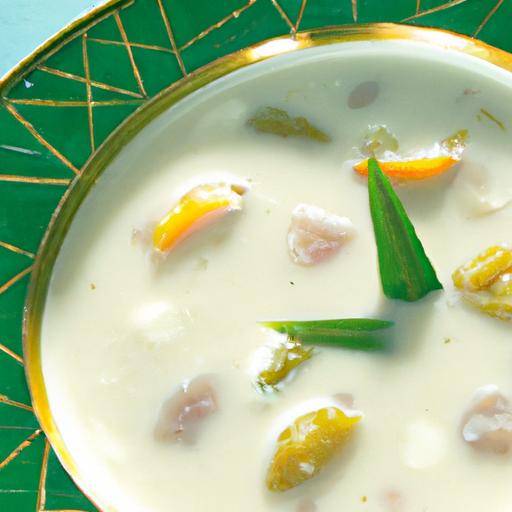
present Thai Bua Loy in elegant, shallow bowls to showcase the glossy coconut milk enveloping the plump dumplings. Enhance visual appeal by adding a single pandan leaf as garnish or a delicate swirl of coconut cream on top. Serve warm for ultimate comfort or chilled with a few ice cubes for a cooling dessert on hot days.Pair with jasmine tea or Thai iced tea to balance the rich sweetness.
| Nutritional info (per serving) | Calories | Protein | Carbs | Fat |
|---|---|---|---|---|
| Thai bua Loy | 280 kcal | 3 g | 45 g | 8 g |
Discover more coconut milk-based Thai desserts to dive deeper into authentic flavor combinations.
For further understanding of the nutritional benefits of coconut milk and its uses, visit the Healthline coconut milk overview.

Q&A
Q&A: Thai bua Loy – Exploring Sweet Rice Dumplings in Coconut Milk
Q1: What is Thai Bua loy?
A: Thai Bua Loy is a traditional Thai dessert featuring soft, chewy rice dumplings served in a warm, fragrant coconut milk broth. Its name literally means “floating lotus,” referring to how the little rice balls bob up and down in the creamy liquid, creating a calming, almost poetic visual.
Q2: What are the main ingredients of Bua Loy?
A: The heart of Bua Loy lies in glutinous rice flour, which forms the small, chewy dumplings. These dumplings are gently cooked in sweetened coconut milk, frequently enough infused with aromatic ingredients like pandan leaves or a pinch of salt to balance the sweetness.Q3: How are the colorful dumplings made?
A: To create a vibrant array of dumplings,natural colorings from ingredients such as pandan (green),pumpkin (yellow-orange),and butterfly pea flower (blue) are added to the rice flour dough before rolling. This elevates both the aesthetic and the subtle flavor profile of each dumpling.
Q4: Is Thai Bua Loy served hot or cold?
A: Traditionally, Bua Loy is served warm or at room temperature, making it a comforting treat especially on cooler days.However, modern variations sometimes chill the dessert for a refreshing twist during warmer months.
Q5: Are there variations of Bua Loy in thai cuisine?
A: Absolutely! While the coconut milk base remains a constant,you might find variations with added sweet corn,taro,or even pumpkin chunks. Some regions enjoy incorporating a soft-boiled egg, which adds richness and texture to the dish without overpowering the gentle coconut flavors.
Q6: What makes the coconut milk used in Bua Loy so special?
A: Thai coconut milk is prized for its creamy richness and natural sweetness. in Bua loy, the milk is frequently enough simmered gently with pandan leaves or a touch of palm sugar, infusing layers of aromas that elevate the simple ingredients into a deeply comforting dessert.
Q7: Can Bua Loy be made vegan-friendly?
A: Yes! Traditionally,Bua Loy is already plant-based as it primarily uses rice flour and coconut milk. Just be mindful to skip eggs if you want a strictly vegan version-there are plenty of equally delicious egg-free recipes that maintain the chewy, luscious texture.
Q8: How does Bua Loy reflect Thai culture?
A: Beyond its delightful taste, Bua Loy embodies Thai hospitality and attention to detail. The process of hand-shaping each dumpling and the balance of sweet, creamy, and fragrant elements mirror the heart of Thai cuisine-carefully crafted dishes that nourish both body and soul.
Q9: Where can one enjoy authentic Bua Loy outside of Thailand?
A: Many Southeast Asian restaurants and dessert shops around the world feature Bua Loy on their menus. Look for places specializing in traditional Thai sweets or markets with a strong Asian influence, as homemade Bua Loy is often a cherished family recipe passed down through generations.
Q10: What is the best way to enjoy Thai Bua loy at home?
A: Serve it warm in small bowls, allowing the aromatic coconut milk to envelop the chewy dumplings. For an extra touch, garnish with toasted sesame seeds or shredded coconut. Pair it with a cup of hot jasmine tea for a soothing and authentic Thai dessert experience.
In Conclusion
As the last spoonful of Thai Bua Loy melts on your tongue, you’re left with more than just the comforting sweetness of coconut milk and tender rice dumplings-you carry with you a slice of thailand’s rich culinary heritage. This humble dessert, with its delicate textures and harmonious flavors, invites both locals and curious travelers to experience a moment of warmth and nostalgia. Whether enjoyed at a bustling street stall or crafted lovingly at home, Bua Loy reminds us that sometimes, the simplest ingredients can tell the most enchanting stories. So next time you crave a taste of Thailand’s sweet traditions, dive into a bowl of Bua Loy and savor the cultural symphony within every bite.