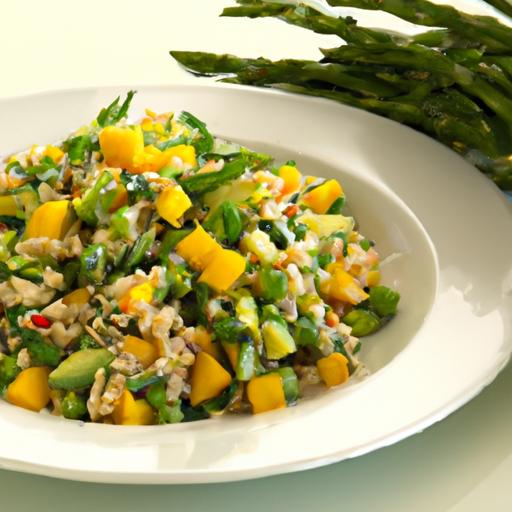
In a world where wellness trends come and go, one timeless powerhouse quietly transforms our health from teh inside out: fiber. Often overlooked and overshadowed by flashier nutrients, high-fiber foods hold the key to unlocking a vibrant, energized, and balanced life.From keeping our digestive systems humming to supporting heart health and stabilizing blood sugar, the benefits of fiber stretch far beyond the basics. Join us on a journey to explore how embracing nature’s roughage can revolutionize your well-being, one appetizing bite at a time.
Understanding Fiber’s Role in Your Body
Unlocking the Power of High-fiber Foods for Better Health begins with appreciating how fiber works within your body to promote wellness. Dietary fiber is a type of carbohydrate found in plants that your digestive system cannot fully break down. This unique property helps regulate digestion, stabilize blood sugar levels, and promote satiety, making it a cornerstone of balanced nutrition.
Soluble fiber, found in oats, beans, and fruits, dissolves in water to form a gel that slows digestion, aiding in cholesterol reduction and better blood sugar control. Insoluble fiber, abundant in whole grains and vegetables, adds bulk to stool, accelerating waste elimination and supporting gut health.
Integrating a variety of fiber types into meals supports a diverse gut microbiome, combats constipation, and even assists in weight management by increasing feelings of fullness. By choosing high-fiber foods thoughtfully throughout your day, you can profoundly impact your digestion, energy, and overall vitality.
Choosing the Best High-Fiber Foods for Every Meal
Fiber is wonderfully versatile, and crafting meals that naturally incorporate it can be both delicious and visually stunning. For breakfast, start with steel-cut oats topped with chia seeds and fresh berries-this combo delivers soluble and insoluble fiber alongside antioxidants. Lunch can feature a quinoa salad with roasted vegetables and lentils, offering a hearty dose of fiber and protein in every bite.
dinner shining examples include a vibrant stir-fry with broccoli, snap peas, and brown rice, where the colorful vegetables provide crunch and fiber with every mouthful.Snacks like carrot sticks with hummus or apples paired with almond butter effortlessly boost your fiber count.
Embracing varied textures and flavor profiles not onyl keeps meals exciting but expands the spectrum of beneficial plant fibers your body receives.
Prep and Cook Time
- Prep Time: 15 minutes
- cook Time: 20 minutes
Yield
- Servings: 4 hearty portions
Difficulty Level
- Easy – Perfect for home cooks looking to enrich their diet effortlessly
Incorporating Fiber Into Your Daily Routine for Lasting Benefits
Seamlessly adding fiber to your day doesn’t require dramatic culinary shifts-it’s all about smart swapping and layering ingredients. swap refined grains for whole grains like brown rice, barley, or bulgur at lunch and dinner. Incorporate legumes into soups, stews, or even homemade veggie burgers to boost fiber and plant protein simultaneously.
Start meals with a fiber-rich side salad or roasted veggies to fill your plate with color and crunch. Keep fiber-rich snacks handy-dried fruits (unsweetened), raw nuts, or air-popped popcorn can curb hunger and fuel you throughout the day.Don’t underestimate the power of drinking plenty of water alongside fiber intake to support smooth digestion and minimize discomfort.
Overcoming Common Challenges When Increasing Fiber Intake
Ramping up fiber can sometimes cause bloating, gas, or cramping if done too quickly. The key is gradual introduction-boost your fiber intake by just 3 to 5 grams per week while staying well-hydrated.
another hurdle is taste or texture preferences. Experiment with different cooking methods: steaming vegetables instead of boiling to preserve crunch or blending fruits into smoothies for a velvety texture. Fiber supplements might be helpful short term,but food-based fiber delivers a richer nutritional profile and additional micronutrients.
Lastly, keep a food journal to track your fiber intake and identify patterns that affect your digestion positively or negatively. This awareness is empowering and guides adjustments tailored to your body’s needs.
High-Fiber Quinoa & Roasted Veggie Grain Bowl
nothing embodies the essence of Unlocking the Power of high-Fiber Foods for Better Health quiet like a bowl that bursts with textures, flavors, and nutrients. This dish combines fiber-dense quinoa, fiber-packed roasted veggies, and hearty chickpeas to create a satisfying, colorful meal that’s as stunning to serve as it is beneficial.
Ingredients
- 1 cup quinoa, rinsed
- 2 cups water or vegetable broth
- 1 medium
- 1 cup broccoli florets
- 1 cup cauliflower florets
- 1 can (15 oz)
- 2 tbsp olive oil, divided
- 1 tsp
- 1 tsp
- 1/2 tsp
- Salt and freshly ground black pepper, to taste
- 2 cups
- 1/4 cup
- 2 tbsp
- Juice of 1 lemon
- Water, to thin tahini sauce as needed
instructions
- Preheat
- Cook quinoa: Combine quinoa and water or broth in a medium saucepan. Bring to a boil,reduce heat to low,cover,and simmer for 15 minutes until water is absorbed. Remove from heat and let stand covered for 5 minutes, then fluff with a fork.
- Prepare veggies and chickpeas: In a large bowl, toss sweet potato cubes, broccoli, cauliflower, and chickpeas with 1 tbsp olive oil, smoked paprika, cumin, garlic powder, salt, and pepper. Spread evenly on the baking sheet.
- Roast: Place the baking sheet in the oven and roast for 20 minutes, flipping halfway through for even browning, until veggies are tender and chickpeas slightly crisp.
- Make tahini dressing: Whisk tahini, lemon juice, remaining 1 tbsp olive oil, and a splash of water until smooth and pourable. Adjust thickness by adding water slowly.
- Assemble bowls: Divide quinoa among four bowls. Top with warm roasted vegetables and chickpeas, baby spinach, and parsley.
- Drizzle
Chef’s Notes
- Make it gluten-free: This recipe naturally excludes gluten; just ensure your broth is gluten-free if using.
- Variation: Swap sweet potatoes for butternut squash or carrots for variety in sweetness and texture.
- Storage: store leftovers in an airtight container in the fridge for up to 3 days. Reheat gently to avoid drying out the quinoa.
- Boost fiber: Add a tablespoon of ground flaxseed or hemp seeds right before serving for an extra boost.
Serving suggestions
Serve this grain bowl garnished with a sprinkle of toasted sesame seeds or finely chopped toasted almonds for added crunch. A side of tangy pickled red onions or a dollop of Greek yogurt (or plant-based alternative) can add brightness and creaminess.

| Nutrient | Per Serving |
|---|---|
| Calories | 395 kcal |
| Protein | 14 g |
| Carbohydrates | 58 g |
| Dietary Fiber | 12 g |
| Fat | 10 g |
For more fiber-rich meal ideas, check out this collection of fiber packed recipes.to dive deeper into the health science behind dietary fiber, visit the British Nutrition Foundation’s fiber page.
Q&A
Q&A: Unlocking the Power of High-Fiber Foods for Better Health
Q1: What exactly is dietary fiber, and why is it so meaningful for our health?
A1: Dietary fiber is the indigestible part of plant foods that passes through our digestive system largely intact. It’s a nutritional superstar because it supports digestion, helps maintain healthy blood sugar and cholesterol levels, and promotes a feeling of fullness that can assist with weight management. Think of fiber as the natural broom in your gut that sweeps away toxins and keeps everything running smoothly.
Q2: How much fiber should an average adult aim to consume daily?
A2: Most health experts recommend around 25 to 30 grams of fiber per day, but many peopel only get about half of that. Incorporating a variety of fruits, vegetables, whole grains, legumes, nuts, and seeds can easily boost your fiber intake and fuel your wellbeing.
Q3: What are some delicious high-fiber foods to add to my meals?
A3: The pantry and garden are full of fiber-rich delights: oats, barley, quinoa, chia seeds, lentils, black beans, raspberries, pears, broccoli, carrots, almonds, and flaxseeds are just a few examples. These foods not only add texture and flavor but also contribute significantly to your daily fiber needs.
Q4: Can increasing fiber intake cause digestive discomfort? How to avoid it?
A4: Jumping into fiber-rich eating too quickly can sometimes lead to bloating, gas, or cramping as your gut adjusts. To avoid this, increase fiber gradually over several weeks and drink plenty of water to help fiber do its job efficiently. This slow introduction helps your microbiome adapt and thrive.
Q5: Besides digestion, what other health benefits does fiber offer?
A5: Fiber doesn’t just keep your gut happy-it also plays a starring role in heart health by lowering LDL cholesterol, helps stabilize blood sugar levels to prevent spikes, supports weight management by curbing hunger, and even promotes a healthy microbiome, which has far-reaching effects on immunity and mood.
Q6: How can I creatively incorporate more fiber into my daily routine?
A6: Start with small swaps like choosing whole-grain bread rather of white, adding a handful of nuts or seeds to your yogurt or salad, stirring beans into soups and stews, or blending berries and spinach into your morning smoothie. Getting creative with herbs and spices can make fiber-rich meals even more flavorful and satisfying.Q7: Are there different types of fiber,and do they work differently in the body?
A7: Absolutely! Fiber comes in two main types: soluble and insoluble. Soluble fiber dissolves in water to form a gel-like substance that slows digestion and can help lower cholesterol. Insoluble fiber adds bulk to stool, making bowel movements easier and regular.A balanced intake of both types is key to comprehensive digestive health.
Q8: Is it better to get fiber from whole foods or supplements?
A8: Whole foods reign supreme because they offer a symphony of nutrients working in harmony-vitamins, minerals, antioxidants, and fiber together.Supplements can definitely help in certain cases but don’t replicate the complex benefits of real foods. Plus, eating fiber-rich foods is more enjoyable and satisfying!
Q9: Can children and seniors benefit from increased fiber consumption?
A9: Definitely! Fiber supports healthy digestion and overall wellness at any age. For children, it helps establish good eating habits and regularity. Seniors can benefit from fiber’s role in reducing constipation and supporting heart health.Just remember to tailor fiber sources and amounts to suit individual digestive tolerances.
Q10: How does fiber impact the environment compared to animal-based foods?
A10: Choosing fiber-rich plant foods generally has a lower environmental footprint than many animal-based foods. Plants require fewer resources like water and land and produce less greenhouse gas emissions,making fiber a friend not just to your health but also to the planet. A win-win choice for mindful eaters!
Embracing high-fiber foods is an invitation to nurture your body from the inside out. It’s not just about digestion-it’s about unlocking a vibrant, energetic, and healthier you with every bite!
Future Outlook
Embracing the vibrant world of high-fiber foods is more than just a dietary choice-it’s a gateway to revitalizing your health from the inside out. By weaving an array of fiber-rich fruits, vegetables, whole grains, and legumes into your daily meals, you’re not only nourishing your body but also empowering your digestive system, balancing blood sugar, and supporting heart health. So,let every bite be a step toward unlocking the full potential of nature’s bounty,transforming your wellbeing one fiber-filled feast at a time. After all, the journey to better health is deliciously simple when fiber leads the way.