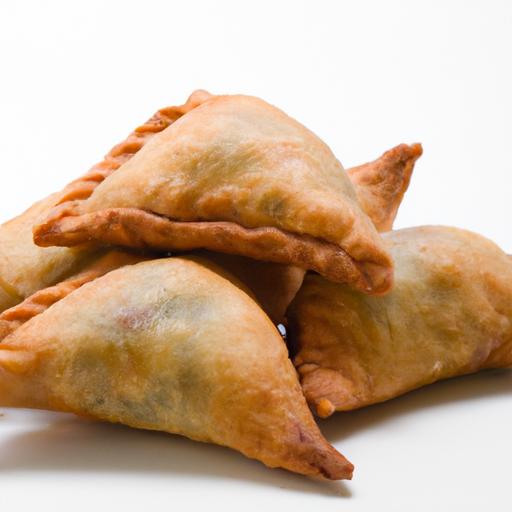
in the bustling streets and vibrant markets of East Africa, one golden, crispy treasure reigns supreme: the Kenyan samosa. More than just a snack, this triangular delight is a fusion of rich cultural influences and bold, aromatic spices that tell a story of heritage and culinary ingenuity.With its perfectly flaky exterior giving way to a savory, flavorful filling, the Kenyan samosa encapsulates the heart of East African flavors in every bite. Join us as we delve into the origins, unique ingredients, and irresistible charm of this beloved delicacy that continues to captivate taste buds across Kenya and beyond.
Kenyan samosa is a crispy delight that captures the vibrant soul of East African flavors in every golden fold. Rooted deeply in the cultural tapestry of Kenya and its neighboring regions, this snack is not only a treat for the palate but also a symbol of community, party, and culinary fusion. Its origins trace back to Indian traders whose samosas took on a distinct East African identity through local spices and ingredients, turning this humble pastry into a beloved street food staple that transcends generations.
Prep and Cook Time
- Planning: 30 minutes
- cooking: 20 minutes
- Total Time: 50 minutes
Yield
Approximately 20 medium-sized samosas (serves 6-8 as a snack)
Difficulty Level
Medium – Ideal for cooks comfortable with dough and frying techniques
Ingredients and Unique Spices That Define the Authentic Kenyan samosa
- 2 cups all-purpose flour, sifted
- 1/4 cup vegetable oil or melted ghee (for dough)
- 1/2 cup warm water (adjust as needed)
- 1 large onion, finely chopped
- 3 cloves garlic, minced
- 1 inch piece fresh ginger, grated
- 2 medium potatoes, boiled and mashed
- 1/2 cup cooked green peas
- 1 tsp cumin seeds
- 1 tsp coriander powder
- 1 tsp turmeric powder
- 1 tsp garam masala
- 1/2 tsp cayenne pepper (adjust to taste)
- 2 tbsp fresh cilantro, chopped
- Salt to taste
- Vegetable oil for deep frying
- Juice of 1/2 lemon (optional, for added zing)
Step-by-Step Guide to Crafting the Perfect Crispy Kenyan Samosa at home
- Prepare the dough: In a large bowl, combine all-purpose flour with salt and oil. Gradually add warm water, mixing until a firm, smooth dough forms. Knead for 8-10 minutes, cover with a damp cloth, and let rest for 30 minutes.
- Make the filling: Heat 2 tablespoons of vegetable oil in a skillet over medium heat.Add cumin seeds and toast until fragrant, about 30 seconds. Add chopped onions, garlic, and ginger; sauté until onions turn golden, around 5 minutes.
- Add spices: Stir in coriander powder, turmeric, garam masala, and cayenne pepper. Cook for 1 minute to bloom the spices, intensifying their aromas.
- Incorporate vegetables: Mix in the mashed potatoes and peas until evenly coated with spices. Cook for 3 minutes, stirring occasionally. Remove from heat, add lemon juice (if using), chopped cilantro, and salt to taste. Let the filling cool.
- Shape the samosas: Divide the dough into 20 equal balls.Roll out each ball into a thin oval, roughly 6 inches long. Cut each oval in half lengthwise.Take one half and form a cone by folding one straight edge over to meet the curved edge; seal the seam with a little water.
- Fill and seal: Spoon 2 tablespoons of filling into the cone. Fold the top edge over and continue folding down to seal the samosa completely, ensuring no gaps or openings. Use water to secure edges firmly.
- Fry to perfection: Heat vegetable oil in a deep fryer or heavy pot to 350°F (175°C). Carefully slide in samosas a few at a time,frying until golden brown and crispy-about 3-4 minutes per batch. Drain on paper towels.
- Serve hot: Allow samosas to rest for 2 minutes; this lets the crisp exterior set while keeping the filling warm and flavorful.
Tips for Success
- Dough consistency: Keep the dough slightly firm but pliable to get that signature crunch after frying.
- Oil temperature: Maintain steady medium heat. Too hot, and the samosas burn outside but stay raw inside; too cool, and they absorb excessive oil.
- Make ahead: Prepare samosas up to folding stage and freeze them on a tray. Once firm,transfer to a ziplock bag; fry directly from frozen for convenient snacking.
- Vegetarian variations: Swap potatoes and peas for finely diced carrots, green beans, or lentils for a different texture and nutritional boost.
- Herbs: Fresh mint or a pinch of fenugreek leaves in filling adds refreshing depth.
pairing Suggestions and Serving Tips to Elevate Your Kenyan Samosa Experience
The perfect Kenyan samosa deserves equally vibrant accompaniments. Serve with a side of tangy tamarind chutney or fresh cilantro-mint chutney to contrast the crispy, warmly spiced filling. A dollop of cooling plain yogurt or kachumbari salad-a fresh tomato and onion salad tossed in lemon juice and chili-is ideal to balance heat and crunch.
For gatherings, arrange samosas on a platter garnished with chopped fresh cilantro and thinly sliced red chilies for a burst of color. Pair with authentic Kenyan masala spice blends to impress and transport your guests directly to East African street markets.

| Nutrient | Per 3 Samosas |
|---|---|
| Calories | 250 kcal |
| Protein | 5 g |
| Carbohydrates | 30 g |
| Fat | 12 g |
To explore more savory East African snacks, check out our comprehensive guide on East African snacks – discover flavors that echo the spirit of Kenya and beyond.
Q&A
Q&A: Kenyan Samosa – A Crispy Delight with East african Flavors
Q1: What makes Kenyan samosas distinct from other samosa varieties found around the world?
A1: Kenyan samosas stand out with their unique blend of East African spices and local ingredients,creating a burst of flavor that reflects the region’s rich culinary heritage. While the crispy, triangular pastry shell is similar to other samosas, the fillings often incorporate ground beef, minced chicken, or lentils, infused with aromatic spices such as cumin, coriander, turmeric, and a hint of chili, offering a savory, well-balanced taste distinctive to Kenya.
Q2: How did samosas become popular in Kenya?
A2: The samosa was introduced to kenya through indian immigrants who settled along the coast centuries ago. Over time, this beloved snack melded with local East African tastes, creating a fusion that has as become a staple street food enjoyed by people across all communities in Kenya, from bustling cities to rural villages.
Q3: what ingredients are typically used in a customary Kenyan samosa filling?
A3: A traditional Kenyan samosa filling often includes minced beef or chicken, diced onions, garlic, ginger, green chilies, and a blend of spices like cumin, coriander, and turmeric. Vegetarian versions may incorporate lentils, peas, or potatoes seasoned similarly. Fresh coriander leaves and sometimes a touch of lemon juice add brightness to the robust, savory mixture.
Q4: What is the secret to achieving that perfect crispy texture in Kenyan samosas?
A4: The secret lies in the thinness of the pastry and the frying technique.The samosa wrappers are rolled out very thin and folded meticulously to hold the filling snugly. They are then fried in hot oil just enough to turn golden brown and crispy without absorbing too much oil, resulting in a delicate crunch with every bite.
Q5: Are Kenyan samosas typically eaten as a snack or part of a larger meal?
A5: Kenyan samosas are most commonly enjoyed as a snack or appetizer, especially as street food sold at markets, roadside stalls, or social gatherings. Tho,they can also be served as part of a larger meal,paired with chutneys,salads,or even alongside dishes like pilau (spiced rice),adding a delightful textural contrast.
Q6: How do Kenyan street vendors typically serve samosas?
A6: Street vendors frequently enough serve Kenyan samosas hot and fresh, sometimes accompanied by vibrant tamarind or mint chutneys that complement the spicy filling. On occasion,they are paired with a cup of chai (spiced tea),making them the perfect comfort food to enjoy anytime during the day.
Q7: Can you make Kenyan samosas at home, and are ther any tips for beginners?
A7: Absolutely! Making Kenyan samosas at home is a rewarding culinary project. Beginners should focus on preparing a flavorful filling and mastering the folding technique, which might take a bit of practice but is achievable with patience. Using pre-made samosa wrappers can simplify the process, and frying in medium-hot oil ensures a perfectly golden, crispy exterior without burning.
Q8: What cultural significance do samosas hold in Kenya?
A8: Beyond being a popular snack, samosas in Kenya symbolize a beautiful cultural fusion. They represent the blending of Indian culinary legacy with Kenyan ingredients and spice profiles, embodying the diversity and unity found in East African cuisine. Samosas are often shared during celebrations, family gatherings, and social events, highlighting their role as a beloved communal treat.
Q9: Are there variations of samosa recipes across different regions within Kenya?
A9: Yes, variations exist throughout the country. Coastal regions may include coconut and more pronounced spice blends influenced by Swahili cuisine, while inland areas might favor meatier fillings with earthy spice mixes. Vegetarian samosas with beans or lentils are enjoyed widely and adapted based on local produce availability.
Q10: what sides or accompaniments pair well with Kenyan samosas?
A10: Kenyan samosas pair wonderfully with tangy chutneys such as tamarind, mango, or mint. A fresh kachumbari salad-a mix of tomatoes, onions, and chili-adds a refreshing crunch. For a heartier snack, they can be served alongside sweet or spicy tea, making for a balanced and flavorful experience.
Enjoying a Kenyan samosa is like savoring a crispy, spiced tale of East Africa’s vibrant culture-each bite a perfect harmony of tradition, flavor, and community.
To Wrap It Up
In the vibrant tapestry of East African cuisine, the Kenyan samosa stands out as a crispy ambassador of flavor and tradition. each bite offers a perfect harmony of spice and texture, telling stories of cultural fusion and culinary creativity. Weather enjoyed as a street food snack or a festive treat, the samosa remains a beloved emblem of Kenya’s rich gastronomic heritage-inviting food lovers everywhere to savor a truly irresistible delight. As you explore its golden layers and aromatic fillings, you’re not just tasting a snack; you’re experiencing a delicious piece of East Africa’s heart and soul.