Steeped in centuries of tradition and brimming with comforting umami, miso soup is much more than a simple starter-it’s a culinary emblem of Asian heritage. From the bustling streets of Japan to the tranquil countryside kitchens, authentic miso soup recipes offer a flavorful journey that transcends borders and generations. in this article, we’ll dive deep into the rich tapestry of ingredients, regional variations, and cultural significance that make miso soup a beloved staple across Asia. Prepare to explore the art and soul behind each simmering bowl, uncovering secrets that transform humble miso paste into a symphony of taste and nourishment.
Exploring Authentic Asian Miso Soup Recipes: A Flavorful Journey begins with understanding the deep-rooted cultural essence of miso soup in Asian cuisine. Originating in Japan over a thousand years ago, this humble yet savory broth has become a cornerstone of daily meals, offering comfort, nourishment, and a taste of tradition.each spoonful carries the rich history of fermentation craftsmanship and the subtle harmony of simple ingredients working together in delightful balance.
Origins and Cultural Significance of Miso Soup in Asia
Miso soup holds a revered place across manny Asian cultures, especially in Japan, where it’s enjoyed daily at breakfast, lunch, or dinner. The soup’s base-miso paste-was originally developed as a method of preserving soybeans, a vital legume source of protein. Over centuries, miso became more than a food preservative; it gained ceremonial and medicinal significance. Traditionally,it’s served to signify health and prosperity,symbolizing warmth and family connection in households.
Across East Asia, regional variations in miso soup reflect local tastes and available ingredients. The soul of the dish remains consistent: a delicate blend of miso paste dissolved in umami-rich dashi broth, enhanced by simple accompaniments like tofu, wakame seaweed, and green onions.This simplicity encourages mindfulness while eating, emphasizing harmony between ingredients-a philosophy mirrored throughout Asian culinary traditions.
Selecting the Perfect Miso Paste Varieties for Genuine Flavor
the journey toward an authentic miso soup starts with selecting the perfect miso paste. This fermented soybean paste varies widely in flavor, color, and fermentation duration, each imparting a unique character to the soup.
- White Miso (Shiro Miso): A milder, sweeter paste with a shorter fermentation time, perfect for delicate and creamy broths.
- Yellow Miso (Shinshu Miso): Balanced in saltiness and sweetness, with medium fermentation, this variety suits versatile everyday recipes.
- Red Miso (Aka Miso): Rich, salty, and robust due to extended fermentation, it adds a bold, earthy depth best suited for heartier versions of miso soup.
A store-bought miso paste labeled “organic” or “unpasteurized” often ensures vibrant,complex flavors and beneficial probiotics. For true authenticity, experimenting with regional Japanese brands can enhance your culinary experience.
Traditional Ingredients and Their Roles in Crafting Authentic Miso Soup
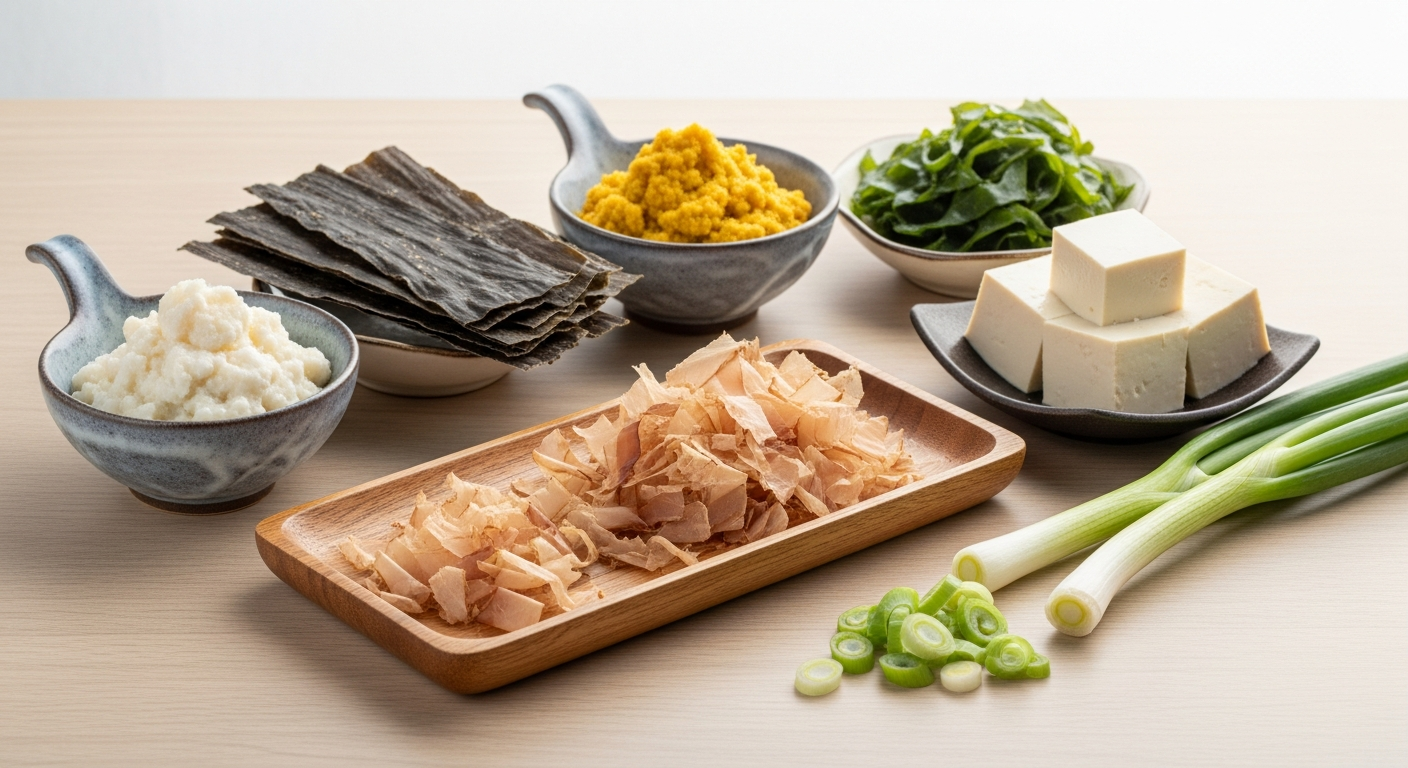
An authentic miso soup is a celebration of balance where each ingredient plays a vital role in the final harmony:
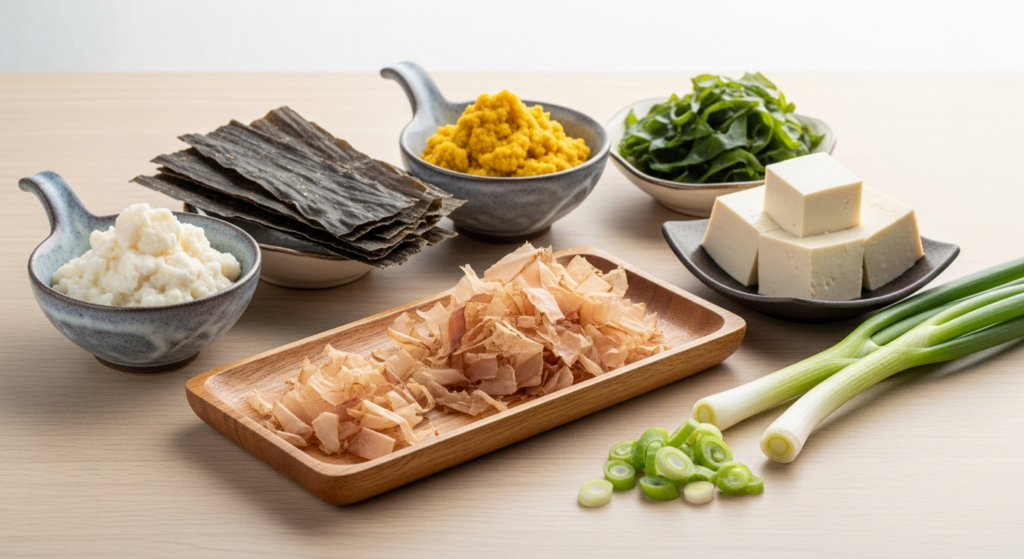
- Dashi Stock: the savory backbone of miso soup, dashi provides a light umami base using kombu (kelp) and dried bonito flakes (or vegan shiitake mushrooms and kombu for plant-based versions).
- Miso Paste: The fermented soybean paste blending deep umami with subtle sweetness and saltiness.
- Silken Tofu: Adds softness and protein; its gentle texture contrasts beautifully with the warm broth.
- Wakame Seaweed: A touch of the sea, wakame expands when rehydrated and lends a mild, briny flavor.
- Scallions (Green Onions): Fresh, crisp notes that brighten each spoonful.
These core ingredients create a soulful dish that feels both nourishing and light-embodying Japanese culinary ideals of simplicity and respect for natural flavors.
Step-by-Step Guide to Preparing Miso Soup like a Local Chef
Prep and Cook Time
- Planning: 10 minutes
- Cooking: 15 minutes
- Total Time: 25 minutes
Yield
Serves 4 comfortably
Difficulty Level
Easy – perfect for home cooks seeking authentic flavors without complexity.
Ingredients
- 4 cups water
- 1 piece (10cm x 10cm) kombu (dried kelp)
- 1/2 cup bonito flakes (or 3 dried shiitake mushrooms for vegan option)
- 3 tbsp miso paste (white or yellow miso recommended)
- 1/2 cup silken tofu, cubed (about 1/2 inch pieces)
- 2 tbsp dried wakame seaweed
- 2 scallions, finely sliced
Instructions
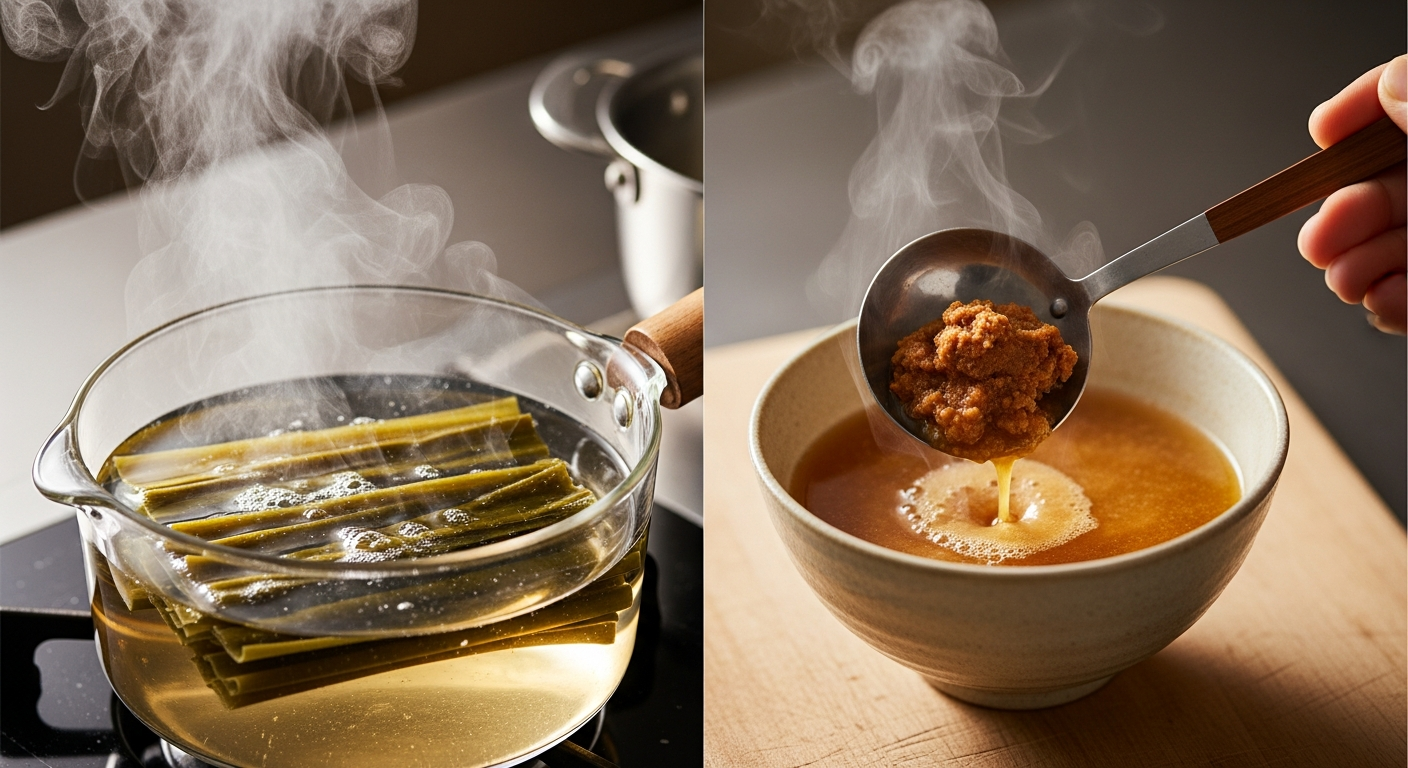
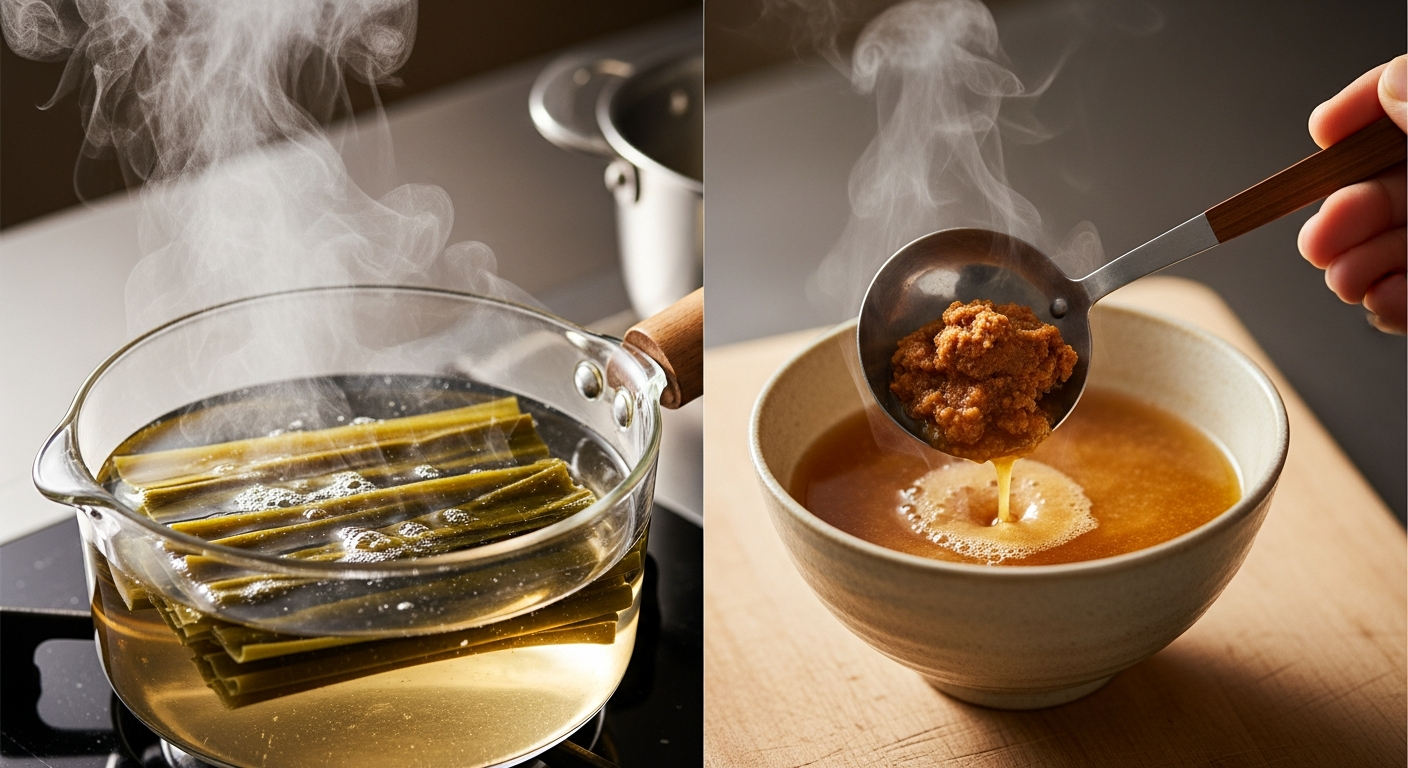
- prepare the Dashi Stock: In a medium pot, combine the water and kombu.Let soak for 20-30 minutes to extract subtle flavors.
- Heat the Stock: Place the pot over medium heat and slowly bring to just under a boil. Remove the kombu before water boils to prevent bitterness.
- Add bonito Flakes / Shiitake: Add bonito flakes and simmer gently for 2 minutes, then strain the stock through a fine sieve. For vegan dashi, add dried shiitake during simmer and strain similarly.
- Rehydrate Wakame: Soak dried wakame in the dashi or a small bowl of water until plump and tender, about 5 minutes, then drain.
- Heat Miso Paste Properly: Place the miso paste in a small bowl. Ladle a bit of the hot dashi into the bowl and whisk until smooth. This prevents clumps and preserves probiotics by avoiding direct boiling of miso.
- Add Miso to Dashi: Stir the dissolved miso gently into the pot of dashi on low heat, ensuring the soup never boils.
- Incorporate Tofu and Wakame: Gently add tofu cubes and wakame back into the pot, warming without breaking the tofu.
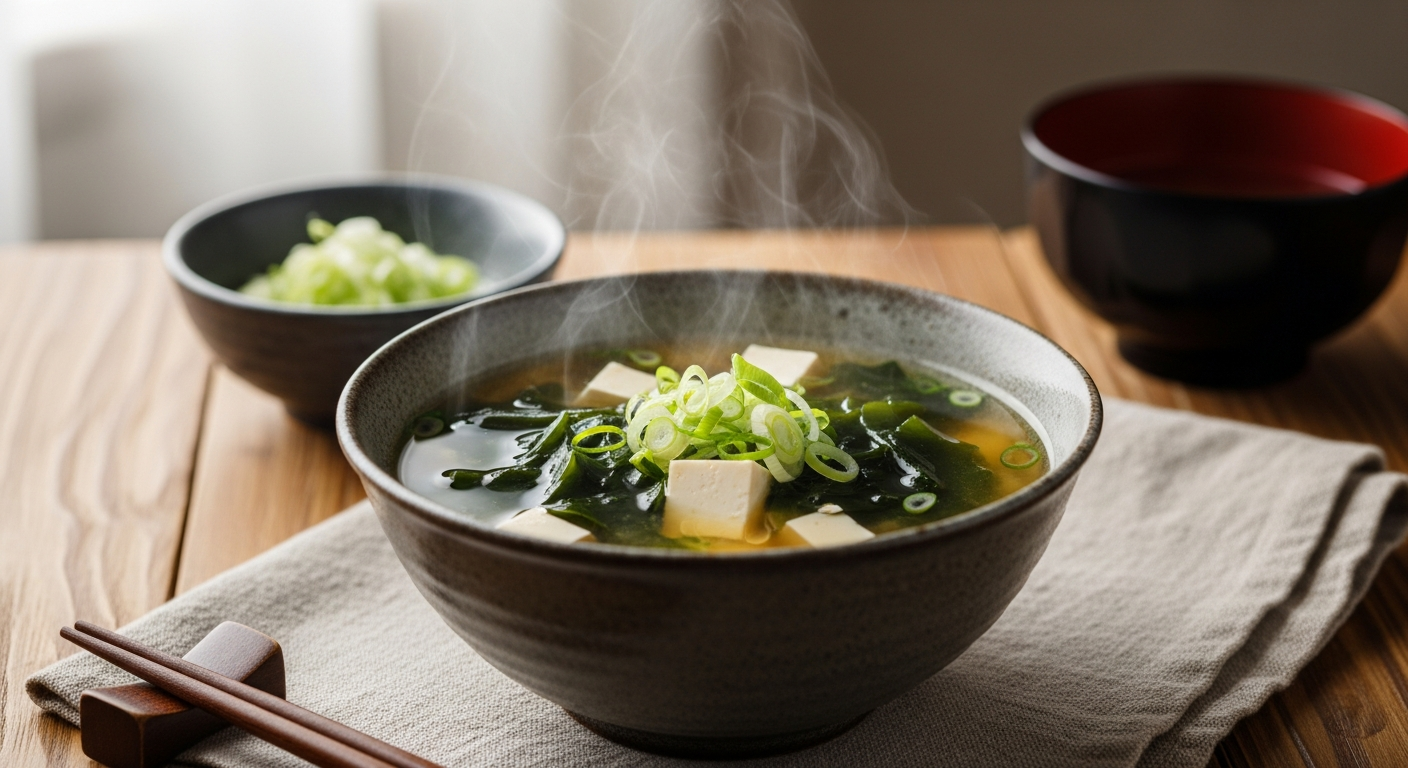
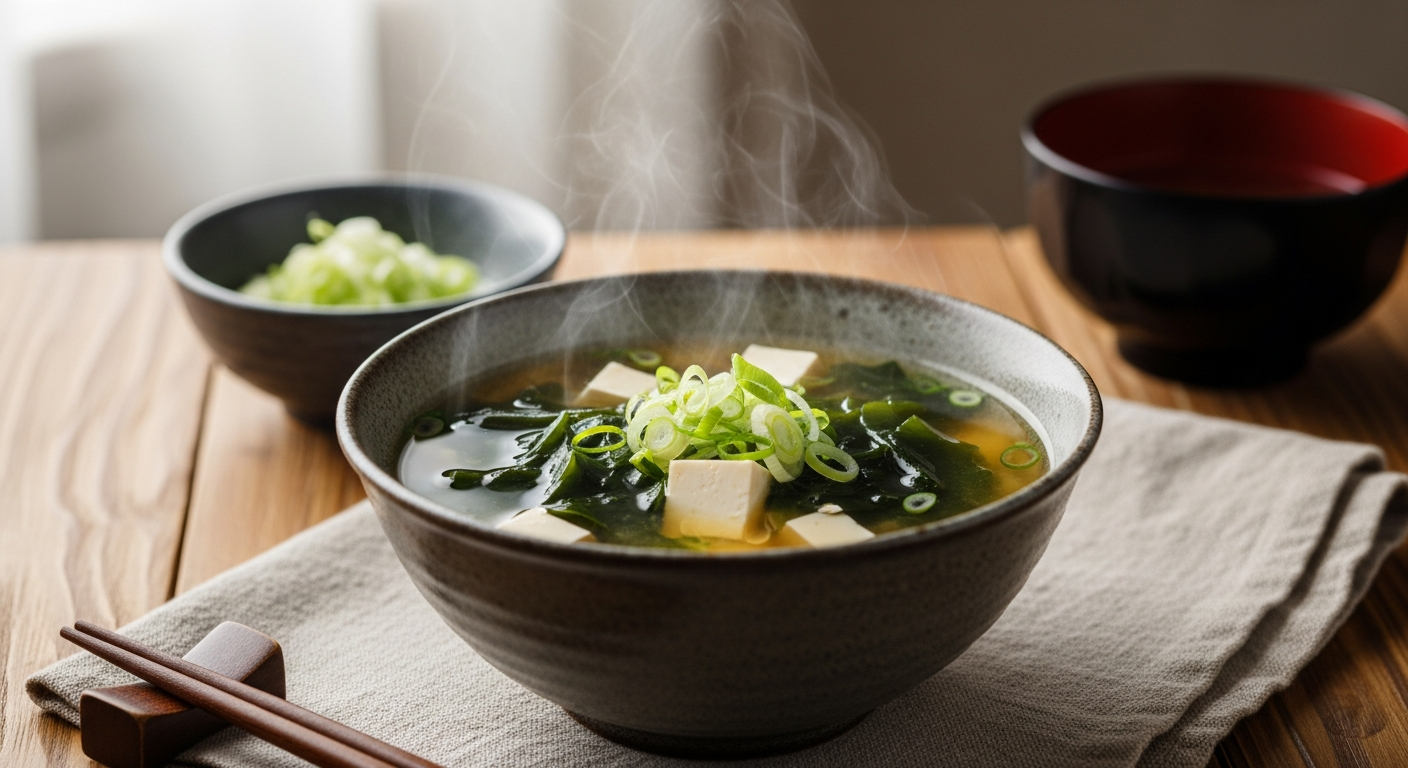
- finish and Serve: Remove from heat, ladle soup into bowls, and garnish with sliced scallions.
Chef’s Notes for Success
- Avoid Boiling Miso: High heat destroys enzymes and delicate flavors. Warm the broth after adding miso to maintain its character.
- Customize Miso Paste: Start with milder white miso if you prefer subtle sweetness; increase intensity with red miso for richness.
- Alternatives for Dashi: For a quick fix, use kombu powder or instant dashi granules, but fresh kombu + bonito/shegetake is preferred for authenticity.
- make-Ahead Tip: Prepare dashi stock in advance and refrigerate up to 3 days; add miso and toppings just before serving.
- Variations: Add seasonal mushrooms, daikon radish, or thinly sliced carrots for extra texture and flavor nuances.
Serving Suggestions
Present this aromatic soup in simple, rustic Japanese bowls. Adorn with a delicate sprinkle of toasted sesame seeds or a few strands of fresh mitsuba leaves for a visual pop and herbal lift. Serve alongside steamed jasmine rice or a light vegetable tempura for a comforting, balanced meal. Sip slowly, appreciating the layers of umami and warmth whispering tales of an ancient culinary heritage.
| Nutrient | Per Serving |
|---|---|
| Calories | 90 kcal |
| Protein | 6 g |
| Carbohydrates | 5 g |
| Fat | 3 g |

For further exploration on related traditional Japanese dishes, check out our detailed guide on Authentic Japanese Ramen Recipes. To learn more about miso’s health benefits, the National Institutes of Health offers a comprehensive study on fermented soy products and probiotics.
Q&A
Q&A: Exploring Authentic Asian Miso Soup Recipes – A Flavorful Journey
Q1: What makes miso soup such a beloved staple in Asian cuisine?
A1: Miso soup is cherished for its comforting warmth, deep umami flavors, and nourishing qualities.rooted in Japanese culture, it combines fermented soybean paste (miso) with simple yet potent ingredients like dashi broth, seaweed, and tofu. This harmony of flavors creates a soul-soothing dish that’s both humble and wholesome.Q2: How does miso contribute to the unique taste of the soup?
A2: Miso is a fermented soybean paste that imparts a savory, slightly tangy complexity known as umami-frequently enough described as the “fifth taste.” The fermentation process develops rich layers of flavor,varying based on the type of miso used (white,yellow,or red). This depth is the heart of authentic miso soup.
Q3: What are the foundational ingredients in a traditional miso soup?
A3: Classic miso soup begins with a clear dashi broth, made from kombu (kelp) and dried bonito flakes or shiitake mushrooms for vegetarian versions. Tofu cubes, wakame seaweed, scallions, and of course, miso paste complete the ensemble, creating a delicate, savory bowl that balances texture and flavor.
Q4: Are there regional variations of miso soup across Asia?
A4: Absolutely! While Japan is the epicenter of miso soup, variations exist throughout East Asia. In Korea, as a notable example, doenjang jjigae is a hearty soybean paste stew that shares similarities with miso soup but frequently enough includes an array of vegetables and spices. Exploring these regional differences reveals the versatility and cultural significance of fermented bean pastes.Q5: Can miso soup be customized to suit different dietary preferences?
A5: Yes! Miso soup is incredibly adaptable. Vegetarians and vegans can enjoy versions with kombu and shiitake-based dashi instead of fish stock. Adding seasonal vegetables like daikon radish, spinach, or mushrooms can enhance both nutrition and flavor.The key is maintaining the balance and respecting the traditional ingredients.
Q6: How do you ensure miso paste retains its delicate flavors when making soup?
A6: Miso paste should never be boiled, as high heat destroys its nuanced flavors and beneficial probiotics. The ideal method is to dissolve miso in a small amount of warm broth and then gently combine it with the rest of the soup off the heat,preserving its aromatic qualities.
Q7: What role does seaweed play in miso soup?
A7: Seaweed, particularly wakame, adds a subtle briny note and silky texture to miso soup.It also enriches the broth with minerals and antioxidants, boosting the soup’s nourishing profile while deepening its oceanic umami character.
Q8: Why is dashi considered the soul of miso soup?
A8: Dashi provides the essential, nuanced base that elevates miso soup beyond a simple broth. whether made from kombu and shiitake for a vegetarian version or traditionally with dried fish flakes, dashi infuses the soup with a clean, savory backbone, allowing the miso to shine without overpowering the palate.
Q9: What tips can you offer to someone new to making miso soup at home?
A9: Start with high-quality miso paste and fresh dashi ingredients.Prepare dashi carefully to capture its delicate flavor, and remember to add miso paste last, dissolving it gently off the heat. Experiment with tofu textures and seasonal vegetables to personalize your bowl. Most importantly, savor the process-it’s as much about mindful cooking as it is about the final taste.
Q10: how does exploring authentic miso soup recipes deepen one’s recognition for Asian culinary traditions?
A10: Engaging with miso soup recipes offers a flavorful window into centuries of cultural wisdom-from fermentation artistry to seasonal eating habits.Each sip conveys history, simplicity, and harmony with nature, inviting cooks to connect with a time-honored tradition that nourishes body and soul alike.
In Conclusion
As we conclude this flavorful journey through authentic Asian miso soup recipes, it becomes clear that this humble dish is much more than a simple broth. Each spoonful carries centuries of tradition, regional nuances, and a delicate balance of umami that invites both comfort and curiosity. Whether you’re a seasoned cook or a curious foodie, embracing these genuine recipes offers a delicious gateway into the heart of Asian culinary heritage. So next time you crave a bowl of warmth and wisdom, remember: miso soup is not just nourishment, but a story waiting to be savored-one authentic ingredient at a time.