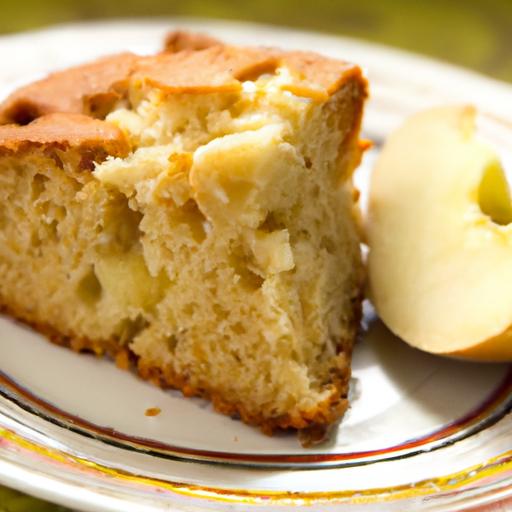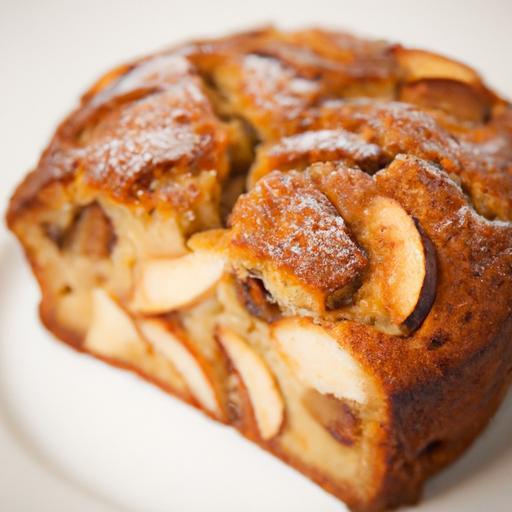
Nestled within the rolling green hills and misty landscapes of Ireland lies a culinary treasure that has been delighting taste buds for generations: the conventional Irish apple cake. More than just a dessert, this humble cake carries with it stories of harvest celebrations, family gatherings, and a deep-rooted connection to the land’s abundant orchards. With its tender crumb, fragrant spices, and sweet-tart apple pieces, the Irish apple cake invites both locals and visitors alike to experience a slice of Ireland’s rich heritage. join us as we uncover the charm behind this timeless treat, exploring its origins, unique preparation, and the warm comfort it continues to bring to tables around the world.
Discover the Charm of Traditional Irish Apple Cake begins with its unmistakable blend of simple, time-honored ingredients that create a comforting and distinctively moist crumb laden with warm apple sweetness. Rooted in Irish countryside kitchens and handed down through generations, this cake has evolved with subtle regional twists and secret family touches that make every slice a story of heritage and heart.
Prep and Cook Time
- Preparation: 20 minutes
- Cooking Time: 45-50 minutes
- Total Time: 1 hour 10 minutes
Yield
Serves 8 generous portions – perfect for afternoon tea or a cozy family gathering.
Difficulty Level
Medium – approachable for confident home bakers familiar with batter consistency and fruit preparation.
Ingredients
- 2 cups all-purpose flour, sifted
- 1 teaspoon baking powder
- 1 teaspoon ground cinnamon
- ½ teaspoon ground nutmeg
- ¼ teaspoon salt
- 6 tablespoons unsalted butter, cold and diced
- ½ cup granulated white sugar
- ½ cup dark brown sugar, packed
- 2 large free-range eggs
- 2 tablespoons whole milk
- 1 tablespoon pure vanilla extract
- 3 large cooking apples (such as Bramley or Granny Smith), peeled, cored, and chopped into bite-size chunks
- Zest of 1 lemon
- Juice of ½ lemon
- 2 tablespoons demerara sugar (for topping)
Instructions
- Preheat oven to 350°F (175°C). Grease and flour a 9-inch round cake pan or line it with parchment paper to ensure easy removal.
- In a large bowl, whisk together the sifted flour, baking powder, cinnamon, nutmeg, and salt to evenly distribute the leavening and spices.
- Rub the cold butter into the flour mixture using your fingertips or a pastry cutter until it resembles coarse breadcrumbs with some pea-sized lumps-this ensures flakiness.
- In a separate bowl, beat the eggs lightly with the milkl, vanilla extract, and both sugars until the mixture is smooth and glossy.
- Slowly fold the wet mixture into the dry ingredients with a spatula, stirring gently just until fully combined; overmixing can toughen the cake.
- Gently fold in the chopped apples, lemon zest, and lemon juice so the fruit is evenly dispersed without breaking down.
- Scrape the batter into the prepared pan, smoothing the surface, and sprinkle the top evenly with demerara sugar to add a satisfying crunchy finish.
- bake in the preheated oven for 45-50 minutes or until the top is golden brown and a skewer inserted in the center comes out clean or with just a few moist crumbs.
- Remove from the oven and let cool in the pan for 10 minutes before transferring to a wire rack to cool fully for optimal texture.
Tips for Baking the Perfect Moist and Flavorful Apple Cake
- Choosing the right apples: Cooking apples like Bramley provide the ideal balance of tartness and softness, holding their shape while releasing natural juices that hydrate the cake.
- Cold butter technique: Keeping the butter cold and handling minimally creates a tender crumb that isn’t overly dense.
- Lemon zest and juice: Brightens flavors and prevents the apples from browning before baking, enhancing freshness.
- Do not overmix batter: Folding gently keeps gluten formation low, making the cake tender rather than chewy.
- Use demerara sugar topping: Adds a delightful crunch contrast to the soft crumb below.
- Make ahead: This cake tastes even better the next day once flavors have melded; store covered at room temperature or lightly warm before serving.
Exploring Regional Variations and Secret Family Recipes
Many Irish families boast unique spins on this classic. Some add a splash of stout or a handful of chopped walnuts for texture; others incorporate seasonal spices like cloves or ginger for warmth.In the west of Ireland, some versions weave in sultanas or soaked raisins, gifted from coastal trade, adding bursts of sweetness. Discovering these subtle deviations adds depth and nostalgia to each slice, inviting you to create your own cherished iteration.
Serving Suggestions to Enhance Your Traditional Irish Apple Cake Experience
For an authentic experience, serve slices of this traditional Irish apple cake warm, topped with a generous dollop of fresh whipped cream or a scoop of vanilla bean ice cream. A drizzle of golden Irish honey or a side of thick custard further elevates the comforting flavors. Garnish with a sprinkle of ground cinnamon and a few thin apple slices for a visual and aromatic flourish. Pairing it with a well-brewed pot of Irish breakfast tea or a rich coffee makes for the perfect afternoon indulgence.
| Nutrient | Per Serving |
|---|---|
| Calories | 310 kcal |
| Protein | 4 g |
| Carbohydrates | 48 g |
| Fat | 10 g |
Explore more Irish dessert recipes to complement your traditional apple cake. For detailed apple varieties and tips on fruit selection,visit the renowned British Apple Association.

Q&A
Q&A: Discover the Charm of Traditional Irish Apple Cake Delight
Q1: What makes traditional irish apple cake different from other apple cakes?
A1: Traditional Irish apple cake stands out with its rustic charm and hearty texture. Unlike many other apple cakes, it frequently enough features a crumbly, buttery crust and a moist interior packed with chunky, tart apples – typically Bramley apples – which add a perfect balance of sweetness and zing.The subtle use of warming spices like cinnamon or nutmeg gives it a comforting aroma that evokes the cozy Irish countryside.
Q2: What types of apples are best suited for an authentic Irish apple cake?
A2: Bramley apples are the classic choice for an authentic Irish apple cake. Their firm texture and tartness hold up beautifully during baking, providing a lovely contrast to the cake’s tender crumb. If bramleys aren’t available, other firm, tangy apples like Granny Smith can work well too, preserving the cake’s traditional tart-sweet flavor profile.Q3: Are there any special techniques used in making Irish apple cake?
A3: yes! One technique that adds to its unique character is layering the apples throughout the batter rather than mixing them in completely. This creates pockets of tender apple surprise in every bite. Additionally, the topping often includes a sprinkle of demerara sugar or oatmeal, which crisps up during baking to form a delightful crunchy contrast to the soft cake beneath.
Q4: Does traditional Irish apple cake contain any unusual ingredients?
A4: The recipe is beautifully simple,relying on pantry staples like flour,butter,sugar,eggs,and apples. What gives it a distinct touch is sometimes the addition of buttermilk or sour cream, which adds moisture and a subtle tang, enhancing the cake’s tenderness. Another charming addition is a splash of lemon juice or zest, brightening the apple flavor without overwhelming it.
Q5: How is traditional Irish apple cake typically served?
A5: Irish apple cake is enjoyably versatile. It’s often served warm, straight from the oven, accompanied by a generous dollop of lightly whipped cream or a drizzle of golden honey. For an extra indulgent twist,a scoop of vanilla ice cream is fantastic,complementing the cake’s tender crumb and tangy apple bursts with creamy sweetness.
Q6: Can Irish apple cake be adapted for special dietary preferences?
A6: Absolutely! Naturally, the cake is quite adaptable. for a dairy-free version, substitute butter with plant-based margarine or coconut oil, and replace buttermilk with a mixture of plant-based milk and a splash of lemon juice. Gluten-free flour blends can also be used to make this delightful cake accessible to those avoiding gluten, all while preserving its classic taste and texture.
Q7: What is the cultural significance of apple cake in Ireland?
A7: Apple cake holds a cherished place in Irish culinary heritage, reflecting the country’s agricultural roots and love for simple, comforting dishes. it exemplifies resourcefulness, utilizing the abundant apple harvest from local orchards. Sharing apple cake with family and friends is a beloved tradition, embodying warmth, hospitality, and the timeless joy of gathering around the table.
Q8: Can traditional Irish apple cake be enjoyed outside of Ireland?
A8: definitely! The universal appeal of baked apples and buttery cake makes this Irish classic a hit worldwide. Its hearty yet tender character resonates with anyone who appreciates home-baked goodness. Plus, it’s an inviting introduction to Irish cuisine, bringing a slice of the Emerald Isle’s culinary charm to your own kitchen wherever you are.
The conclusion
As the final slice of this beloved Irish apple cake melts on your tongue, you’re left not just with the sweet warmth of cinnamon and tender fruit, but with a taste of Ireland’s rich heritage and timeless tradition. This humble dessert, steeped in stories passed down through generations, offers more than flavor-it delivers a comforting embrace of culture and history. Whether enjoyed by the hearth or shared among friends, traditional Irish apple cake remains a delightful reminder that sometimes, the simplest ingredients create the most unforgettable experiences. So next time you seek a slice of nostalgia and charm, let this classic treat whisk you away to the rolling green hills and cozy kitchens of Ireland.