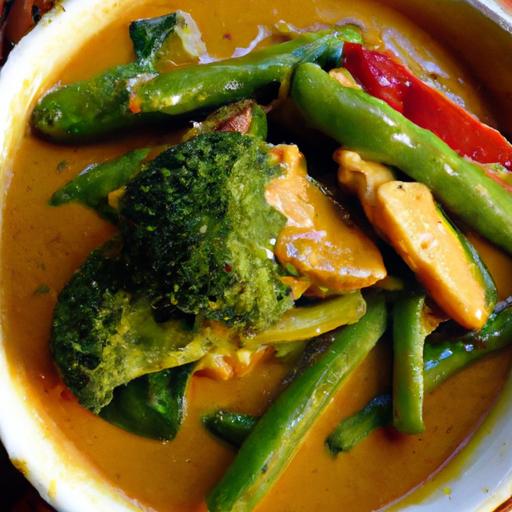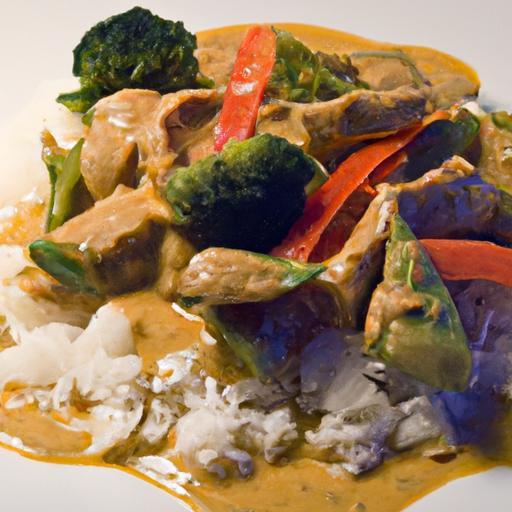
In the vibrant tapestry of Asian cuisine, few ingredients shine as brightly as the golden hues of yellow curry. With it’s rich blend of aromatic spices and creamy textures, yellow curry offers a sensory journey that transcends borders and traditions. From bustling street markets in Thailand to cozy home kitchens in India and Malaysia, this golden spice melds history, culture, and flavor into every simmering pot. In this article, we embark on a flavorful voyage through the diverse world of Asian yellow curry recipes-uncovering the secrets behind their vibrant colors, fragrant spice blends, and the stories that make each dish a treasured culinary gem. join us as we explore how this beloved curry continues to captivate palates and inspire cooks across the continent and beyond.
Asian Yellow Curry is a radiant culinary treasure that has captivated taste buds across continents. This golden Spice Journey invites you to delve deep into the fragrant world of turmeric, coriander, and warm spices that form the soul of authentic yellow curry. Its origins trace back to the coastal regions of Thailand and India, where vibrant colors and complex aromas create a perfectly balanced dish, both comforting and inspiring. From market stalls in Bangkok to home kitchens in Kuala Lumpur, this curry paints a golden canvas enriched with layers of flavor, evocative of slow-cooked memories and shared meals.
Prep and Cook time
- Preparation: 20 minutes
- Cooking: 40 minutes
- Total Time: 1 hour
Yield
Serves 4 generous portions
Difficulty Level
Medium – perfect for home cooks ready to embrace aromatic spice layering
Ingredients
- 2 tablespoons vegetable oil, for sautéing
- 1 large white onion, finely chopped
- 3 garlic cloves, minced
- 1 tablespoon fresh ginger, grated
- 2 tablespoons curry powder (preferably Thai yellow curry powder)
- 1 teaspoon turmeric powder, for vibrant golden hue
- 1 teaspoon ground coriander
- 1/2 teaspoon ground cumin
- 1/4 teaspoon ground white pepper
- 400ml (1 can) full-fat coconut milk
- 1 cup chicken or vegetable broth
- 500g skinless chicken thighs, cut into bite-sized pieces (or tofu for vegan version)
- 2 medium potatoes, peeled and cubed
- 1 medium carrot, sliced diagonally
- 1 tablespoon fish sauce (optional, for depth)
- 1 teaspoon palm sugar or brown sugar
- Salt to taste
- Fresh cilantro and sliced red chili for garnish
- 1 lime, cut into wedges
- Steamed jasmine rice, for serving
Step by Step Guide to Crafting Your Perfect Yellow Curry
- Heat the oil in a heavy-bottomed pan over medium heat. Once shimmering, add the chopped onion and sauté until translucent and soft, about 5-7 minutes. This foundational step unlocks natural sweetness to balance the spices.
- Add garlic and ginger to the pan; sauté for another 1-2 minutes until aromatic, making sure not to burn.
- Sprinkle in the curry powder, turmeric, coriander, cumin, and white pepper. Stir constantly for about 1 minute, allowing the spices to bloom and release their essential oils, painting the air with signature yellow curry fragrance.
- pour in the coconut milk and broth slowly, stirring to combine. This creamy base is what transforms the dish into the golden,silky texture you crave.
- Add the chicken pieces and cubed potatoes. Bring the mixture to a gentle simmer and cover. cook for about 20 minutes, stirring occasionally to prevent sticking, until the chicken is tender and the potatoes begin to soften.
- Stir in the carrot slices, fish sauce, and sugar. Let the curry simmer uncovered for another 10 minutes until the carrots are just cooked and flavors meld perfectly. Adjust salt and seasoning as needed.
- Remove from heat and let it rest for 5 minutes before serving, allowing the spices to infuse deeply.
- Serve piping hot over steamed jasmine rice, garnished with fresh cilantro, thinly sliced red chili for heat, and lime wedges to squeeze over for a radiant finish.
Chef’s Notes: Tips for Success
- For a richer depth, toast whole spices like coriander seeds and cumin before grinding fresh powder.
- Substitute chicken with firm tofu or chickpeas for a hearty vegetarian alternative.
- Adjust the thickness by adding more broth if it’s too thick, or simmering uncovered to reduce excess liquid.
- Make ahead: This curry tastes even better the next day as the flavors deepen, so prepare in advance and refrigerate overnight.
- Use fresh turmeric root if available for an even more vibrant color and earthier aroma.
- Fish sauce is optional but recommended for authenticity; substitute with soy sauce for vegan or allergy-kind options.
Serving Suggestions
The true beauty of this yellow curry comes alive when paired thoughtfully. Serve it with steamed jasmine rice or fragrant basmati to soak up every golden drop. garnish generously with fresh cilantro leaves and thin red chili slices to add bursts of color and heat contrast. A squeeze of fresh lime juice just before eating brightens the warm spices exquisitely. Consider pairing with a simple cucumber salad for crunch and cooling balance, or crispy fried shallots for texture. This dish works brilliantly as a centerpiece for a comforting family meal or a lively gathering.
| Nutrient | Amount per Serving |
|---|---|
| Calories | 420 kcal |
| Protein | 30 g |
| Carbohydrates | 25 g |
| Fat | 20 g |

For a deeper dive into the essence of Thai curries and their rich heritage, explore our related article. To understand the health benefits of turmeric,a key ingredient in this curry,visit this extensive study on turmeric’s anti-inflammatory properties.
Q&A
Q&A: Golden Spice Journey – Exploring Asian Yellow curry Recipes
Q1: What makes yellow curry distinct from other Asian curries?
A1: Yellow curry’s signature golden hue comes from turmeric, which not only imparts vibrant color but also offers earthy warmth. Unlike the fiery heat of red curry or the herbaceous punch of green curry, yellow curry strikes a harmonious balance of mild spice, subtle sweetness, and creamy coconut richness, making it approachable and deeply comforting.
Q2: Which key spices form the foundation of a customary Asian yellow curry?
A2: The aromatic heart of yellow curry includes turmeric, coriander, cumin, and fenugreek. These are often complemented by warm cinnamon, fragrant cloves, and a touch of cardamom. Fresh ingredients like lemongrass, garlic, and ginger round out the spice blend, creating that enticingly complex yet mellow flavor.
Q3: How does the preparation of yellow curry vary across different Asian countries?
A3: While Thailand’s yellow curry frequently enough features potatoes, chicken, and a creamy coconut base, Indian versions emphasize a dry-roasted blend of turmeric and spices with mustard seeds and curry leaves. Malaysian yellow curry might include tangy tamarind and a hint of sweetness. Each regional variation reflects local ingredients and culinary traditions, creating a beautiful tapestry of flavors united by the golden spice.
Q4: Can yellow curry be made vegetarian or vegan without losing its authentic flavor?
A4: Absolutely! Yellow curry shines with vegetables like sweet potatoes, carrots, cauliflower, and chickpeas. Creamy coconut milk, combined with the traditional spice blend, maintains richness and depth. Incorporating tofu or tempeh adds protein and texture, making for a satisfying plant-based feast bursting with flavor.
Q5: What side dishes best complement an Asian yellow curry?
A5: Steamed jasmine or basmati rice is the classic accompaniment, soaking up the fragrant sauce perfectly. Roti or naan bring a satisfying chewiness, while lightly pickled vegetables provide a crisp, tangy contrast. Fresh herbs like cilantro or Thai basil sprinkled on top add a vibrant finish.
Q6: Any tips for home cooks new to making yellow curry?
A6: Start by toasting your dry spices lightly to awaken their aromas before blending or grinding. Don’t rush the simmering stage-it allows all flavors to meld beautifully. Use fresh turmeric if you can find it for a brighter tone,and adjust spice levels gradually to suit your palate. a squeeze of lime juice just before serving can brighten and balance the richness.
Q7: Are there any engaging twists on traditional yellow curry to try?
A7: Play with seasonal produce like pumpkin or butternut squash for a natural sweetness, or add a handful of spinach or kale toward the end for color and nutrition. For a tangier note, a splash of tamarind or mango chutney can add complexity without overpowering the curry’s warm essence.
Q8: How can I store and reuse leftover yellow curry?
A8: Yellow curry actually improves with time-the flavors deepen after a day or two. Store it in an airtight container in the fridge for up to three days or freeze portions for up to a month. When reheating, add a splash of coconut milk or water to restore its creamy consistency and prevent drying out.
Embark on your golden spice journey and discover the comforting, complex world of Asian yellow curry – one vibrant bowl at a time!
To Conclude
As our Golden Spice Journey comes to a close, the vibrant world of Asian yellow curries leaves us with more than just tantalizing flavors-it gifts us a deeper recognition for the rich cultures and histories simmering behind every fragrant spoonful. From the earthy warmth of turmeric to the harmonious blend of spices that define each regional twist, yellow curry invites both the curious cook and seasoned foodie to embark on a appetizing adventure. Weather stirred gently on a stovetop in a bustling kitchen or savored slowly at a family table,these recipes remind us that food is more than sustenance-it’s a story,a tradition,and an experience waiting to be shared. So, gather your spices, don your apron, and let the golden hues of Asian yellow curry brighten your culinary repertoire and inspire your next flavorful journey.