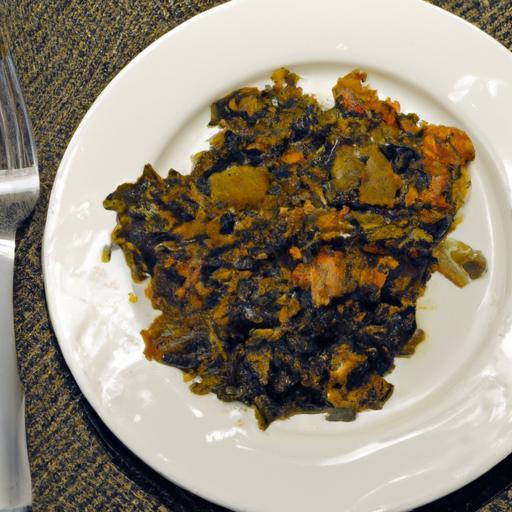
There’s a world of flavor waiting just beyond the Mediterranean’s sun-kissed shores, where fragrant spices dance in the air and ancient culinary traditions have been lovingly preserved for centuries. North African cuisine, a vibrant tapestry woven from Berber, Arab, and Mediterranean influences, invites adventurous food lovers to embark on a sensory journey like no othre. From the earthy warmth of cumin and coriander to the fiery kiss of harissa, these authentic recipes are more than meals-they are stories, culture, and history simmering on the stove. In this article, we’ll explore the rich and diverse flavors of North africa, uncovering the secrets behind its most beloved dishes and inspiring you to bring a touch of its magic into your own kitchen. Prepare to savor the spice, and taste the heritage of a region where food is both nourishment and celebration.
Embracing the Essence: A Classic Moroccan Chicken Tagine with Harissa
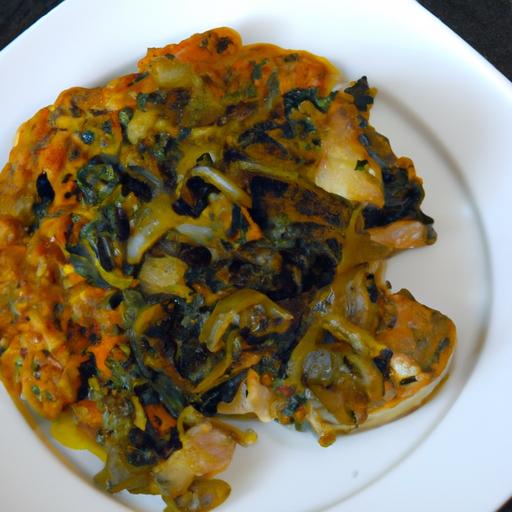
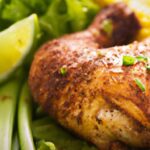
Savor the spice of North Africa by diving into a traditional Moroccan chicken tagine, where fragrant spices and fiery harissa unite to create an unparalleled symphony of flavor. This dish, rooted in Berber culinary traditions from the Atlas Mountains, embodies the heart of North African cooking-slow-simmered, aromatic, and irresistibly vibrant. My first taste of tagine was on a bustling Marrakech street, where the mingling aromas of cumin, coriander, and smoked paprika wrapped around me like a warm shawl. Today, I’ll guide you through mastering this iconic dish and crafting your own signature harissa to elevate every bite.
Prep and Cook Time
- Readiness: 25 minutes
- Cooking: 1 hour 20 minutes
- Total Time: 1 hour 45 minutes
Yield
Serves 4 hearty portions
Difficulty Level
Medium – perfect for home cooks ready to explore bold flavors while following clear, manageable steps.
Ingredients
- For the Tagine:
- 1.5 lbs chicken thighs, bone-in and skin-on
- 2 tbsp olive oil
- 1 large onion, thinly sliced
- 3 garlic cloves, minced
- 1 tbsp ground cumin
- 1 tbsp ground coriander
- 1 tsp smoked paprika
- ½ tsp ground cinnamon
- ½ tsp turmeric
- 1 tsp freshly ground black pepper
- 1 tsp salt
- 1 cup chicken broth (low sodium)
- 1 preserved lemon, rinsed and thinly sliced (optional but authentic)
- 1 cup green olives, pitted and halved
- Fresh cilantro and flat-leaf parsley, chopped for garnish
- For the harissa:
- 4 dried red chili peppers, soaked in warm water for 15 minutes
- 2 garlic cloves
- 1 tsp ground coriander
- 1 tsp ground cumin
- 1 tsp smoked paprika
- 1 tbsp tomato paste
- 2 tbsp olive oil
- 1 tsp lemon juice
- Salt, to taste
Instructions
- Prepare the harissa: Drain chili peppers and blend them with garlic, ground coriander, cumin, smoked paprika, tomato paste, olive oil, lemon juice, and salt until smooth.Adjust consistency with water if needed. Set aside.
- Sear the chicken: In a heavy-bottomed tagine or Dutch oven,heat olive oil over medium-high heat. Add chicken thighs and brown on all sides, about 5-7 minutes. Remove and set aside.
- Sauté aromatics: Reduce heat to medium. Add sliced onions and garlic to the tagine, sautéing until golden and fragrant (~7 minutes).Stir frequently to prevent sticking.
- Spice infusion: Sprinkle cumin,coriander,smoked paprika,cinnamon,turmeric,black pepper,and salt into the onion mixture. Stir to coat evenly and toast spices gently for 1 minute to release their fragrance.
- Combine components: Return chicken thighs to the tagine and add chicken broth, preserved lemon slices, and olives. Spoon 2 tablespoons of your homemade harissa over the chicken for a balanced heat.
- Simmer slowly: Cover and reduce heat to low.Let simmer gently for about 60 minutes, or until the chicken is tender and the sauce has thickened. Stir occasionally, spooning sauce over the chicken to keep it moist.
- Final touches: Taste and adjust seasoning, adding extra harissa if a spicier punch is desired. Garnish generously with chopped cilantro and parsley before serving.
Tips for Success
- Use bone-in chicken thighs for superior moisture and flavor.
- If you don’t have a traditional tagine pot, a heavy Dutch oven works perfectly.
- Preserved lemon is key to authenticity but optional-fresh lemon zest adds brightness if unavailable.
- Harissa can be made ahead and stored refrigerated for up to 2 weeks; it also doubles as a vibrant condiment for grilled vegetables or couscous.
- For a vegetarian version, swap chicken with hearty vegetables like butternut squash, chickpeas, and eggplant, adjusting cooking times accordingly.
Serving Suggestions
This tagine shines when served with steamed couscous or warm, fluffy flatbread to soak up the luscious sauce. Add a radiant side salad of cucumber, tomato, and red onion dressed with lemon and olive oil for contrasting freshness. A sprinkle of toasted almonds or pine nuts adds a delightful crunch and nutty flavor. For visual appeal, garnish the tagine plate with extra fresh herbs and a lemon wedge. Serve with a small bowl of extra harissa on the side for those who love to elevate their spice experience.

| Nutrient | Per Serving |
|---|---|
| Calories | 410 kcal |
| Protein | 38 g |
| Carbohydrates | 12 g |
| Fat | 24 g |
For further exploration of North African spices and how to incorporate them into your cooking, check our Complete Guide to North African Spices. Enhance your spice knowledge by visiting Slow Food’s detailed history of North African flavors to deepen your culinary journey.
Q&A
Q: What makes North African cuisine uniquely flavorful?
A: North African cuisine is a vibrant tapestry woven from fragrant spices, fresh herbs, and diverse textures. The magic lies in blends like ras el hanout, harissa, and cumin, which create layers of warmth and complexity. The cuisine balances sweetness and heat, often pairing ingredients like preserved lemons, olives, and dried fruits to create a symphony of taste that’s both comforting and adventurous.
Q: Which North African dishes are essential for someone new to this cuisine?
A: For a beginner’s journey, start with classics like Moroccan tagine-a slow-cooked stew brimming with tender meat or vegetables and aromatic spices. Couscous,often steamed and served with a rich vegetable or meat sauce,showcases regional diversity. Don’t miss harira, a hearty soup that blends lentils, chickpeas, and tomatoes, traditionally enjoyed during Ramadan but delicious year-round.
Q: How do North African kitchens traditionally prepare their spices?
A: Traditionally, North african cooks grind complex spice blends fresh, combining ingredients like coriander, cinnamon, cardamom, and turmeric in precise proportions. This ritual not only releases essential oils but also connects cooks to centuries-old techniques. Spices are often toasted before grinding to deepen their flavors, infusing dishes with an intoxicating aroma that instantly transports you to bustling marketplaces.
Q: what role do preserved lemons play in North African recipes?
A: preserved lemons are a bright, tangy treasure in North African cooking. They add a subtle citrus punch with a mellow saltiness, cutting through richness and balancing hearty flavors in tagines and salads. These lemons undergo a traditional curing process in salt and their own juices,transforming their bitterness into a complex umami enhancer that’s impractical to replicate with fresh lemon juice.Q: Are there vegetarian-friendly dishes in North African cuisine?
A: Absolutely! North African cuisine offers a bounty of vegetarian delights that celebrate legumes,grains,and vegetables. Dishes like zaalouk (a smoky eggplant and tomato salad), bean stews simmered with spices, and hearty couscous served with a medley of vegetables highlight the region’s plant-based richness. Chickpeas and lentils, layered with aromatic herbs, frequently enough star in these nourishing recipes.Q: How does North African cooking reflect the culture and history of the region?
A: North African food is a delicious narrative of its history-a crossroads where Berber, Arab, mediterranean, and African influences mingle.Every spice blend and cooking method tells a story of trade caravans, ancient empires, and coastal exchanges. The communal nature of meals, frequently enough shared from a single platter, reflects values of hospitality and connection deeply ingrained in the region’s culture.
Q: What kitchen tools are essential for preparing authentic North african recipes?
A: key tools include the tagine pot, a conical clay cookware designed for slow simmering and steam circulation, which tenderizes ingredients beautifully.A mortar and pestle is cherished for grinding spices fresh, unlocking deeper aromas. For steaming couscous, a traditional steamer called a couscoussier helps achieve the perfect fluffy texture. Each tool enhances authenticity, inviting cooks to embrace ancient culinary traditions.
Q: How can home cooks balance the bold spices without overwhelming the dish?
A: The secret is layering and restraint. Start with small amounts of potent spices and build gradually, letting each addition meld with the others. Balancing intense flavors with mild base ingredients like root vegetables or grains can temper the heat and complexity. Acidic elements like preserved lemon or a splash of vinegar add brightness, while nuts and dried fruits contribute contrast and depth, ensuring a harmonious final dish.
Insights and Conclusions
As the final grains of fragrant cumin settle and the last drops of harissa-infused oil shimmer on your plate, the rich tapestry of North African cuisine reveals itself-not just in flavors, but in stories, traditions, and vibrant cultures passed down through generations. To savor these authentic recipes is to embark on a journey across sunbaked markets, bustling kasbahs, and serene desert nights, where every spice whispers secrets and every bite celebrates heritage. Whether you’re a seasoned cook or an adventurous foodie, embracing these dishes invites you to experience the warmth, complexity, and soul of North Africa-one delicious spoonful at a time. so gather your spices, ignite your stove, and let your kitchen become a gateway to a world where every meal is a celebration of life’s vivid and savory moments.