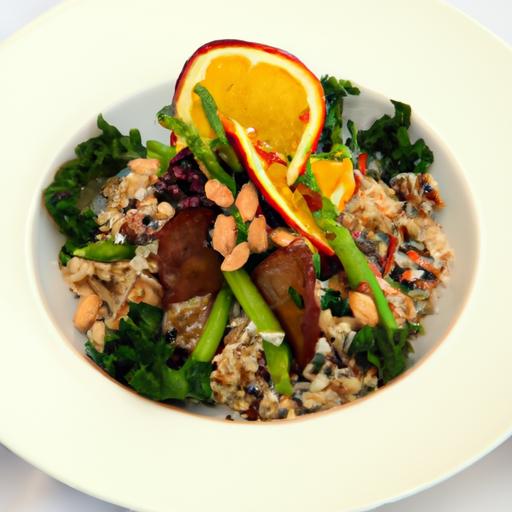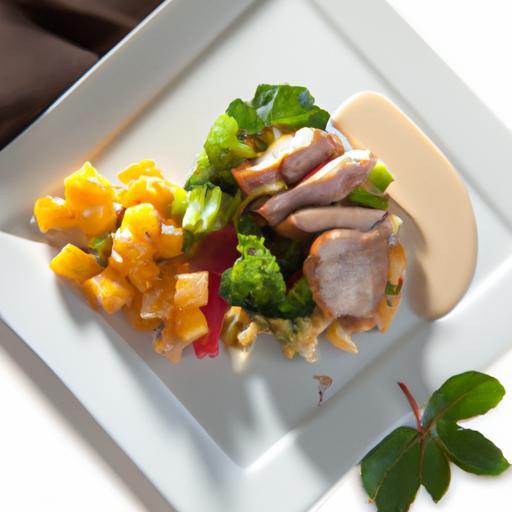
In the kitchens of Europe, a symphony of flavors awaits-hidden within vibrant spice blends that have traveled thru time and terrain, telling stories of culture, conquest, and culinary creativity. From the sun-kissed markets of the Mediterranean to the bustling spice routes of Eastern Europe, these aromatic mixtures unlock more then just taste; they open doors to history and tradition. Join us on a sensory journey across the continent as we explore the origins,ingredients,and magic behind Europe’s most beloved spice blends-a flavorful passport into the heart of its diverse cuisines.
Unlocking Flavour: A Journey Through European Spice Blends invites you to explore the colorful tapestry of herbs and spices that have shaped culinary traditions across the continent. From the sun-drenched fields of Provence to the aromatic markets of Eastern europe, these blends provide a unique passport to authentic tastes and regional identities, allowing home cooks to transport themselves with each sprinkle. My own discovery of european spice blends began in a bustling Italian mercato, where the mingling scents of dried oregano, smoked paprika, and sweet marjoram sparked a lifelong passion for balancing delicate and bold flavors alike.
Prep and Cook Time
- Preparation: 15 minutes
- Cooking: 25 minutes
- Total Time: 40 minutes
Yield
Serves 4 generous portions
Difficulty Level
Medium – ideal for home cooks ready to master classic European seasonings
Ingredients
- 1 tablespoon Herbes de Provence (a fragrant blend of thyme, rosemary, savory, and lavender)
- 2 teaspoons smoked Spanish paprika (adds warmth and subtle smokiness)
- 1 teaspoon ground caraway seeds (common in Central European blends)
- 1 teaspoon dried marjoram (floral and slightly citrusy)
- 4 tablespoons extra virgin olive oil (for sautéing and flavor enrichment)
- 1 medium yellow onion, finely chopped
- 3 cloves garlic, minced
- 500g (1.1 lbs) skinless chicken thighs (cubed; feel free to substitute with firm fish for variety)
- 1 red bell pepper, diced
- 200ml vegetable broth (or chicken broth, for depth)
- Salt and freshly ground black pepper to taste
- Fresh flat-leaf parsley, chopped (for garnish)
Instructions
- Heat olive oil in a large skillet over medium heat. Add the chopped onion and sauté until translucent and soft, about 5 minutes.
- Add garlic and cook for another 1 minute, stirring constantly to prevent burning and release fragrant aromas.
- Sprinkle in the Herbes de Provence, smoked paprika, caraway seeds, and dried marjoram. stir to combine, allowing the spices to bloom in the oily base for about 2 minutes, which deepens their flavors.
- Increase the heat to medium-high and add the cubed chicken thighs. Sear the meat until it develops a golden-brown crust on all sides, about 6-8 minutes. Resist the urge to stir too often; let the meat caramelize for maximum flavor.
- Incorporate diced red bell pepper and sauté for 3 minutes until softened but still vibrant.
- Pour in the vegetable broth, stir gently to deglaze the pan, scraping up any browned bits stuck to the bottom. This technique adds incredible richness to the final dish.
- reduce heat to low, cover, and simmer for 10 minutes, letting the chicken cook through and the flavors meld effortlessly.
- Taste and season with salt and freshly ground black pepper according to preference.
- Garnish generously with chopped fresh parsley just before serving for a fresh pop of green and herbal brightness.
Tips for Success: mastering the Art of Balancing Flavors
- Adjust spice intensity: European blends vary widely-add more paprika for warmth or extra marjoram for floral notes.
- Substitution ideas: swap chicken with firm white fish like cod or firm tofu for a vegetarian twist.
- Make ahead: Prepare the spice-infused oil base and sautéed vegetables a day in advance to save time; add fresh protein before simmering.
- Handling herbs: Use dried herbs early in cooking to allow full flavor release; save fresh herbs for garnish or the final minutes.
- Layering flavors: Toast whole spices lightly before grinding if using fresh blends for a deeper, more complex profile.
Serving Suggestions
This dish shines beautifully over fluffy couscous or creamy polenta, which soak up the savory sauces and spices. Accompany with a crisp green salad dressed simply with lemon juice and olive oil to balance richness. Garnish with thin lemon zest strips or a sprinkle of crushed black olives to add texture and Mediterranean flair.
| Nutrient | Amount per Serving |
|---|---|
| Calories | 320 kcal |
| Protein | 28 g |
| Carbohydrates | 8 g |
| Fat | 18 g |

For further inspiration on how regional European spices can elevate your home cooking, check out our thorough herb blend guide. To explore the historical roots of these fragrant combinations, the Encyclopedia Britannica’s spice history offers authoritative insights.
Q&A
Q&A: Unlocking Flavor – A Journey through European Spice Blends
Q1: What makes European spice blends unique compared to other regional seasonings?
A1: European spice blends often reflect centuries of trade, history, and diverse climates, resulting in a tapestry of flavors that range from the warm, herbaceous notes of Provence to the smoky, piquant kick of Spanish pimentón. unlike some regions focused heavily on heat or sweetness, Europe’s blends frequently balance herbs, spices, and aromatics to complement hearty grains, vegetables, and various meats.Q2: Can you give an example of a customary European spice blend and its typical uses?
A2: Absolutely! Take Herbes de Provence: a fragrant mixture of dried thyme, rosemary, savory, oregano, and lavender. This blend evokes the sun-warmed hillsides of southern France and pairs beautifully with roasted vegetables, grilled fish, and even infused olive oil-adding a floral yet earthy depth to dishes.
Q3: How did historical trade routes influence European spice blends?
A3: The Silk Road and Mediterranean trade routes brought exotic spices like cumin, coriander, cinnamon, and cloves from Asia and Africa to European shores. These new ingredients merged with indigenous herbs, creating hybrid blends that enriched European cuisine. For example, the introduction of paprika from the americas transformed Hungarian and Spanish cooking, becoming central to blends like Hungarian paprika or Spanish pimentón.
Q4: Are there any lesser-known spice blends from Europe worth exploring?
A4: Definitely! As an example, Fines Herbes from France is a subtle combo of parsley, chervil, tarragon, and chives-a gentle mix ideal for delicate dishes like eggs or white fish. Similarly, Za’atar à la Grecque (a Mediterranean twist on the classic Middle Eastern blend) includes oregano, thyme, sesame seeds, and sumac, perfect for drizzling over flatbreads or fresh vegetables.
Q5: How can one incorporate European spice blends into everyday cooking?
A5: Start by pairing blends with their traditional accompaniments: sprinkle Italian seasoning on pasta sauces or pizza bases, use smoky paprika to add warmth to roasted root vegetables, and mix Herbes de Provence into marinades or vinaigrettes. Experimenting with these blends can invigorate even simple recipes, inviting a continental flair into your kitchen without complex prep.
Q6: What role do european herbs play within these spice blends?
A6: Herbs are often the backbone of European blends, providing brightness, earthiness, and balance. Thyme, rosemary, oregano, and bay leaves carry the aromas of the countryside and are basic in layering flavors. Unlike some spice-heavy blends focused on heat or pungency, the herbal components create harmony, enhancing rather than overpowering the natural taste of ingredients.
Q7: Can European spice blends accommodate dietary restrictions or preferences?
A7: Yes! Many European blends are naturally vegetarian and vegan, relying on dried herbs and seeds rather than animal derivatives. They can enrich dishes for those avoiding specific proteins,making them versatile for plant-based cooking. Simply matching the blend to the dish’s ingredients provides a flavorful boost without complicating dietary needs.
Q8: How do regional climates within Europe affect ingredient selection in spice blends?
A8: regional climates dictate which herbs and spices are locally grown and hence featured prominently. Mediterranean regions favor sun-loving herbs like oregano, basil, and rosemary, reflected in their blends. In contrast, northern European blends might lean on warming spices such as mustard seeds, caraway, and juniper berries, adding depth suited to hearty summer vegetables or preserved foods.
Q9: What are some tips for storing and maintaining the potency of European spice blends?
A9: To preserve freshness and aroma, store blends in airtight containers away from heat, light, and moisture. Whole spices generally keep longer-grinding them just before use can maximize flavor. Blended herbs tend to loose potency faster, so replenishing them regularly ensures your dishes always have that signature burst of European essence.
Q10: Why should home cooks explore European spice blends beyond the basics?
A10: Delving into Europe’s diverse spice blends opens a world of culinary history and creativity. They offer more than simple seasoning-they tell stories of culture, migration, and innovation. Using these blends can transform everyday meals into sensory journeys, deepening thankfulness for the continent’s rich gastronomic heritage while sparking fresh inspiration in the kitchen.
In Summary
As we close the lid on this aromatic journey through Europe’s spice blends,it’s clear that these vibrant combinations are more than mere seasonings-they are edible stories,whispered through centuries of trade,tradition,and taste. Whether it’s the smoky warmth of Spanish pimentón, the herbal chorus of Provence’s herbes de Provence, or the bold zest of Hungary’s paprika, each blend invites us to explore the rich tapestry of Europe’s culinary heritage. So next time you sprinkle a pinch or stir in a spoonful, remember: you’re not just enhancing flavor-you’re unlocking a world of history and culture, one savory bite at a time.