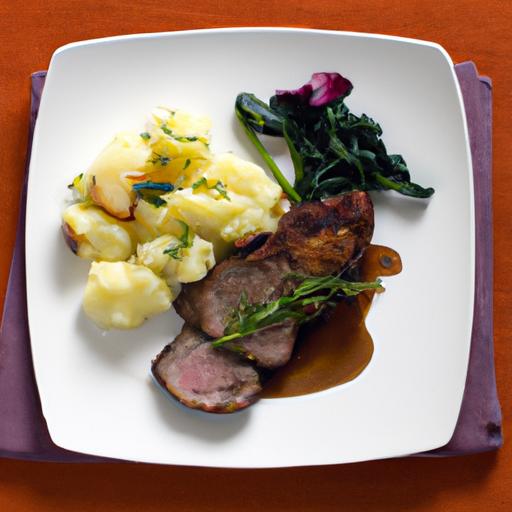
in a world that constantly races toward the new and the novel, there is a special kind of magic in pausing to savor the familiar. European comfort food, with its rich history and soulful simplicity, invites us to do just that. These timeless classics-hearty stews, golden pastries, and slow-simmered sauces-are more than just meals; they are edible stories passed down through generations, each bite a connection to the past. From the rustic kitchens of Italy to the cozy taverns of France, and the bustling markets of eastern Europe, these dishes embody a cultural heritage nurtured by tradition and shared around the table. Join us as we explore the heartwarming flavors and enduring appeal of Europe’s beloved comfort foods,a party of tastes that have comforted and delighted for centuries.
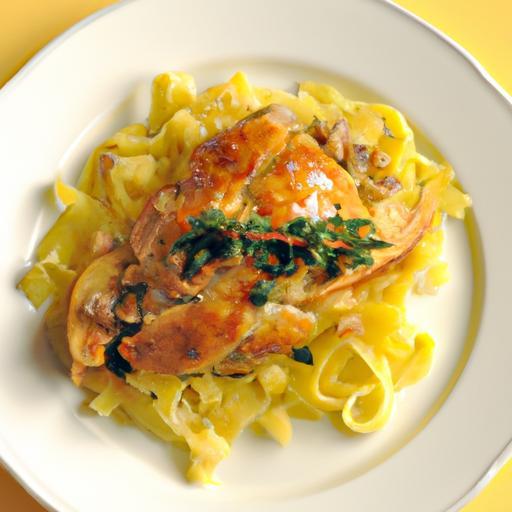
Savoring tradition brings us face-to-face with the heart and soul of European comfort foods-rich, layered dishes crafted through centuries of culinary heritage. Among these, the classic Hungarian Chicken Paprikash stands out as a vibrant celebration of paprika’s smoky warmth, tender chicken, and creamy sauce that comforts both the palate and the spirit. Rooted in the rustic kitchens of Central Europe, this dish transforms simple ingredients into a feast that is as visually inviting as it is nourishing.
Prep and Cook Time
- Preparation: 20 minutes
- Cooking: 40 minutes
- Total Time: 1 hour
Yield
- Serves 4 hearty portions
difficulty Level
- Medium (perfect for home cooks eager to explore classic European flavors)
Ingredients
- 2 lbs chicken thighs, skin-on and bone-in
- 2 tablespoons sweet hungarian paprika (preferably freshly ground)
- 1 large onion, finely chopped
- 3 cloves garlic, minced
- 1 tbsp vegetable oil
- 1 cup chicken broth (low sodium)
- 1 cup sour cream (room temperature)
- 1 tablespoon all-purpose flour
- Salt and freshly ground black pepper, to taste
- Fresh parsley for garnish
- Cooked buttered egg noodles or spaetzle, to serve
Instructions
- Prepare the Chicken: Pat the chicken thighs dry with paper towels and season generously with salt and pepper.
- Sauté Onions and Chicken: In a large skillet or Dutch oven, heat the vegetable oil over medium-high. Add the onions and cook until translucent and slightly caramelized, approximately 7 minutes.
- add Chicken: Nestle the chicken thighs skin-side down into the pan. Sauté until the skin is golden and crisp, about 8 minutes, then flip and brown the other side for 5 minutes.
- Incorporate Paprika and Garlic: Remove the pan from heat briefly and sprinkle the sweet Hungarian paprika over the chicken and onions. Stir in garlic instantly, coating everything evenly, being careful not to burn the paprika (this preserves its rich flavor).
- Build the Sauce: Slowly pour in the chicken broth, stirring to combine. Return the pan to medium heat,cover,and let simmer gently for 25 minutes or until the chicken is cooked through and tender.
- Prepare the sour Cream Mixture: In a small bowl, whisk together the sour cream and flour until smooth. Temper this by adding a few spoonfuls of hot cooking liquid from the pan to the sour cream mixture, stirring constantly to avoid curdling.
- Finish the sauce: Stir the tempered sour cream into the skillet, cooking on low heat for an additional 5 minutes until the sauce thickens and luxuriously coats the chicken.
- Season and Garnish: Adjust salt and pepper to taste. Sprinkle freshly chopped parsley over the dish for a bright,herbal finish.
- Serve: Plate the chicken paprikash over buttered egg noodles or spaetzle for a deeply satisfying meal filled with comfort and character.
Tips for Success
- Choosing Your Paprika: Opt for high-quality sweet Hungarian paprika for the most authentic and vibrant taste. Smoked paprika is a good choice to deepen flavor if you like a subtle smoky undertone.
- Preventing Curdling: Always temper the sour cream by slowly mixing it with warm broth to prevent the sauce from breaking during the final cooking stage.
- Make-Ahead: This dish tastes even better the next day as the flavors meld beautifully. Reheat gently over low heat to preserve creaminess.
- Substitutions: For a lighter version, Greek yogurt can replace sour cream but add it at the end off the heat to avoid curdling.
Serving Suggestions
Serve this warm and inviting chicken Paprikash alongside creamy buttered egg noodles or conventional German spaetzle. A simple green salad with a lemon vinaigrette balances the richness perfectly. For garnish, scatter fresh parsley and an optional lemon wedge for a gentle pop of acidity. Pair with a crisp cucumber salad or roasted seasonal vegetables to round out your comforting feast.

| Nutrient | Per Serving |
|---|---|
| Calories | 480 kcal |
| Protein | 35 g |
| Carbohydrates | 18 g |
| Fat | 28 g |
For those inspired to explore other Eastern European classics, don’t miss our detailed guide on Hearty Eastern European borscht. Additionally, visit Britannica’s complete overview of Hungarian cuisine for cultural and past insights.
Q&A
Q&A: Savoring Tradition – Timeless European Comfort Food Classics
Q1: What makes European comfort food timeless and cherished across generations?
A1: European comfort food carries a rich heritage, combining simple, hearty ingredients with deep cultural roots. These dishes often evoke nostalgia, connecting people to family traditions and regional identities. Their flavors are built on slow-cooked techniques, seasonal produce, and age-old recipes crafted to warm both body and soul.
Q2: Which ingredients are commonly found in classic European comfort dishes?
A2: staples such as root vegetables (potatoes, carrots, parsnips), legumes (lentils, beans), robust cheeses, fresh herbs (thyme, rosemary, bay leaves), and quality meats like beef, lamb, and poultry are frequently featured. Grains like barley, rice, and hearty breads also play vital roles, lending substance and texture.
Q3: Can you highlight a traditional European comfort food that embodies the essence of slow cooking?
A3: Absolutely-the French dish Boeuf Bourguignon is a quintessential exmaple. This slow-braised beef stew melds tender chunks of meat, aromatic vegetables, and rich broth, simmered until each element coalesces into a velvety harmony. Its patient preparation yields layers of complexity and depth, embodying the soul of comfort cuisine.
Q4: How do regional differences influence European comfort food?
A4: Geography, climate, and local crops shape regional specialties. As an example, in northern Europe, heartier fare like Irish stews or Swedish meatballs prevail, suited to colder climates, while Mediterranean countries favor lighter, olive oil-based dishes with fresh vegetables and herbs. These variations reflect the adaptability of comfort food to local resources and traditions.
Q5: What role do cheeses play in European comfort classics?
A5: Cheese adds richness,creaminess,and savory depth. From the melting Gruyère in a Swiss fondue, to the tangy Lancashire cheese in English Welsh rarebit, or the pungent blue-veined Roquefort crumbled over salads and stews-cheese elevates textures and flavor profiles, frequently enough acting as a comforting, indulgent finish.Q6: Are there beloved vegetarian comfort dishes within European culinary heritage?
A6: Certainly. Dishes like Spanish tortilla (a thick potato and egg omelette),Italian risotto alla Milanese,or french ratatouille burst with wholesome vegetables and soulful preparation.Hearty lentil soups from Eastern Europe also stand as nourishing options that echo the same warmth traditionally found in meat-based comfort foods.
Q7: How can home cooks recreate the authenticity of European comfort food today?
A7: Embrace quality ingredients and patience. Slow cooking, layering flavors through herbs and stocks, and respecting traditional techniques-like braising or baking in a heavy pot-allow for authentic results. Pair these methods with a relaxed mindset, inviting connection and mindfulness into the kitchen, and you’ll savor the art of true comfort.
Q8: What cultural values are reflected in European comfort food traditions?
A8: These dishes celebrate community,sustainability,and resourcefulness. Many originated as peasant meals, designed to maximize nutrition and flavor from modest means. They emphasize sharing, hospitality, and a deep respect for nature’s seasonal bounty-values that remain integral to European food culture today.
By delving into these questions, one can appreciate how timeless European comfort food transcends mere nourishment, becoming a heartfelt homage to tradition, place, and the simple joy of a lovingly prepared meal.
In Retrospect
As we close the chapter on this journey through Europe’s most beloved comfort food classics, it becomes clear that these dishes are much more than just meals-they are edible stories passed down through generations, each bite a warm embrace from the past. From hearty stews that simmer with memories, to golden pastries that crackle with centuries-old secrets, these timeless recipes invite us to slow down, savor, and connect with the rich tapestry of culture and tradition. Whether enjoyed around a bustling family table or recreated in your own kitchen, European comfort foods remind us that sometimes, the simplest flavors carry the deepest meaning-a appetizing reminder that tradition, like good food, never goes out of style.