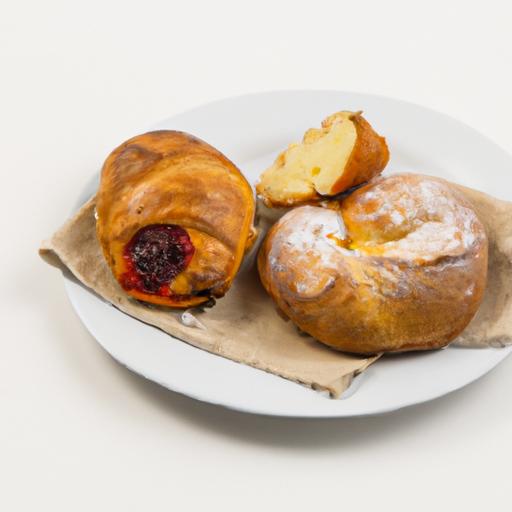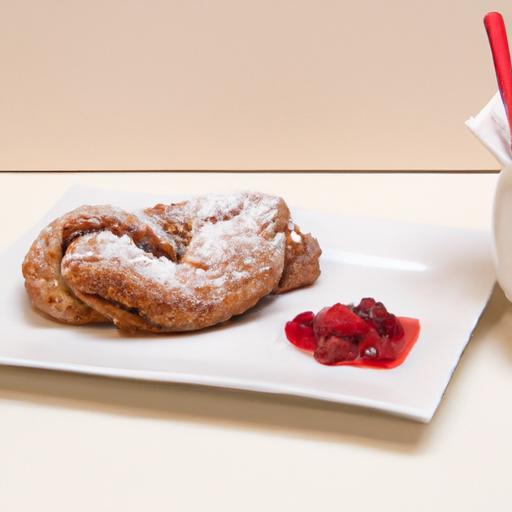
There’s somthing undeniably magical about the first bite of a perfectly flaky breakfast pastry-the tender layers melting into buttery bliss, the subtle hint of sweetness or spice awakening your senses. Across Europe, mornings come alive with an array of these delicate delights, each region offering its own unique twist on the art of breakfast baking.From the crisp croissants of France to the indulgent Danish pastries of Scandinavia, Europe’s breakfast table is a treasure trove of flaky wonders waiting to be explored. Join us on a flavorful journey through cobblestone streets and bustling cafés as we uncover the stories, traditions, and flavors behind Europe’s best breakfast pastries-because some mornings deserve to be a little more extraordinary.
flaky Delights awaken a sensory journey into the heart of Europe’s most treasured breakfast traditions. From the buttery layers of a classic French croissant to the sweet, fruit-studded swirls of a Danish pastry, these baked wonders embody craftsmanship and heritage. European bakers achieve a remarkable balance of airy texture and rich flavor through meticulous lamination – repeatedly folding cold butter and dough to create those signature crisp, tender sheets that melt on the tongue.
Imagine unwrapping a golden, flaky croissant, the delicate crackle giving way to soft, buttery layers beneath. It’s this art of flakiness that elevates pastries beyond mere baking: they invite celebration with every bite. Whether you’re chasing iconic treats or curious about local gems like Italy’s sfogliatella or Portugal’s pastel de nata, this guide unlocks the secrets behind their irresistible texture and taste.
Prep and Cook Time
- Preparation: 3 hours (including resting and chilling time)
- Active Cooking: 20-25 minutes
- Total Time: Approximately 3 hours 30 minutes
Yield
8 generously sized flaky pastries
Difficulty Level
Medium: Requires patience and attention to detail but perfect for passionate home bakers ready to impress.
Ingredients
- 2 ½ cups all-purpose flour, sifted
- 1 tsp fine sea salt
- 1 tbsp granulated sugar
- 1 tbsp instant yeast
- ¾ cup cold whole milk
- 1 tbsp unsalted butter, melted
- 12 tbsp (1 ½ sticks) unsalted butter, cold and cut into thin slices (for laminating)
- 1 large egg, beaten (for egg wash)
- Optional fillings: almond paste, fresh berries, jam, or vanilla custard
Instructions
- Mix your dough: In a large bowl, combine the sifted flour, sugar, salt, and yeast. Gradually add cold milk and melted butter. Stir untill a shaggy dough forms.
- Knead until smooth: Turn onto a floured surface and knead gently for about 7 minutes. The dough should be elastic but not sticky.
- rest and chill: Shape dough into a flat rectangle, wrap in plastic, and refrigerate for at least 1 hour to relax the gluten.
- Prepare the butter block: Place the cold butter slices between two sheets of parchment and pound lightly with a rolling pin until they form an even 7×7 inch square. Keep chilled.
- Laminate the dough: Roll out your dough to a 10×10 inch square on a lightly floured surface. Place the butter block diagonally in the center, fold dough corners over to enclose it fully. Seal the edges gently.
- Roll and fold: Roll the dough into a 20×10 inch rectangle. Fold it into thirds like a business letter. Wrap in plastic and chill for 30 minutes. Repeat this rolling and folding process two more times, chilling between each turn.
- Shape the pastries: Roll the laminated dough to ¼ inch thickness. Cut into desired shapes (triangles for croissants, squares for Danish).Add optional fillings if desired.
- Proof: Place shaped pastries on parchment-lined trays, cover loosely with a cloth, and proof at room temperature for 1 to 1.5 hours until puffed.
- Egg wash and bake: Brush pastries gently with beaten egg to achieve that glossy finish. Bake at 375°F (190°C) for 18-25 minutes or until golden brown and fragrant.
- Cool slightly and serve: Let rest for 10 minutes before enjoying the full flakiness and flavor to shine.
tips for Success
- Keep butter and dough cold at every stage to prevent melting, which compromises layering.
- Use a trusted croissant recipe from King Arthur Baking for troubleshooting common lamination issues.
- Don’t rush the folds-proper chilling between turns ensures defined, flaky layers.
- Experiment with fillings like almond cream or fresh berries for an extra taste dimension.
- Make ahead: Par-bake pastries for 10 minutes, freeze, then finish baking fresh in the morning for unbeatable convenience.
Serving Suggestions
Present these masterpieces warm, paired with a robust coffee such as a dark roasted espresso or a silky cappuccino to highlight the buttery richness. Garnish with a light dusting of powdered sugar or a drizzle of honey for a touch of sweetness. For a fresh contrast, add a side of seasonal fruit or a dollop of crème fraîche. This balance delights the palate and elevates your morning ritual.

| Nutrient | Per Serving |
|---|---|
| Calories | 320 kcal |
| Protein | 6 g |
| Carbohydrates | 32 g |
| Fat | 18 g |
For a deeper dive into European breakfast traditions and additional flaky delights recipes, explore our European Bakery Classics Collection to keep your mornings inspired.
Q&A
Q&A: Flaky Delights – Exploring Europe’s Best Breakfast Pastries
Q1: What makes European breakfast pastries so irresistible?
A1: It’s all about the layers-delicately folded, rich, buttery dough that bakes into a crisp, flaky masterpiece. The magic lies in the balance between a tender, melt-in-your-mouth crumb and a golden, crackling crust. Each bite is a harmonious dance of texture and flavor, often paired with sweet or fruity fillings that evoke mornings of warmth and comfort across Europe.
Q2: Which countries are famous for their iconic flaky breakfast pastries?
A2: France is the undeniable queen with its legendary croissants and pain au chocolat. Austria dazzles with the flaky, jam-filled Linzer kipferl, while Denmark brings to the table its sugary, almond-topped dansk wienerbrød (Danish pastry).Italy tempts with sfogliatelle, a layered shell-shaped pastry filled with creamy ricotta or citrus-infused custard, and Portugal charms with the custard-topped pastel de nata.
Q3: What distinguishes a croissant from other flaky pastries?
A3: the croissant’s secret is “lamination”-the process of repeatedly folding butter into dough to create dozens of ultra-thin layers. When baked, these layers separate and puff up, producing a light, airy, yet crunchy bite. Unlike denser or custard-filled pastries, the croissant’s simplicity is its strength, delivering buttery bliss in every crescent-shaped fold.
Q4: Are European breakfast pastries typically sweet or savory?
A4: While many beloved pastries lean sweet, often filled with jams, nuts, or chocolate, savory varieties abound as well. Cheese, herb blends, and vegetable fillings can be found in pastries like the Italian focaccia or some regional twists of puff pastry. However, the morning ritual often favors a slightly sweet note, perfect alongside a cup of rich coffee or tea.
Q5: Can flaky pastries be enjoyed beyond breakfast?
A5: Absolutely! while these pastries are conventional breakfast stars, their versatility makes them delightful any time of day. A flaky apple strudel can be a comforting afternoon treat, and savory cheese-filled puffs make for elegant snacks at social gatherings. Their buttery layers and delicate textures adapt perfectly from morning indulgence to anytime delight.
Q6: What are some must-try tips for sampling European breakfast pastries?
A6: Start by embracing the regional specialties in their hometown cafés-that’s where these pastries tell their richest stories. Pay attention to texture-flakiness is king! Pair sweet pastries with fresh fruit or mild cheeses, and savor them with a fragrant hot beverage. Lastly, don’t shy from trying lesser-known local variations; sometimes the best flaky delight is discovered off the beaten path.
Q7: How do pastry chefs achieve that perfect flaky texture?
A7: It’s a quite labor of love involving patience and precision. The dough must rest between folds to keep the butter cold and layers distinct. Temperature control is crucial-too warm, and the butter melts prematurely; too cold, and the dough loses elasticity. Skilled hands roll and fold repeatedly, ensuring the dough breathes and expands to its flaky potential upon baking.
Q8: Are there any common ingredients that define European flaky pastries?
A8: Yes-high-quality butter, flour, and a touch of sugar are foundational. Yeast or sometimes puff pastry dough gives rise to those airy layers. Many recipes incorporate eggs for richness or milk for tender crumb, while fillings range from sweet fruit preserves and nuts to mild cheeses or custards. The ingredient lineup is simple but demands freshness and finesse to shine.
Q9: How do cultural traditions influence the variety of European breakfast pastries?
A9: Each region’s history and ingredients shape its pastry identity. Alpine areas favor hearty ingredients like nuts and butter, Mediterranean zones bring citrus and honey into their fillings, while Central Europe frequently enough incorporates seasonal fruits and spices like cinnamon.These cultural nuances create a pastry mosaic reflecting local tastes, climates, and customs.
Q10: Can I recreate European flaky pastries at home, and if so, where should I begin?
A10: Yes! start with mastering laminated dough techniques, such as how to fold and chill dough with butter layers. Begin small-croissants or simple puff pastry tarts are rewarding projects. Pay attention to ingredient temperature and patience during resting periods. Plenty of online tutorials and baking workshops can guide you-soon your kitchen will fill with the tantalizing aroma of freshly baked flaky delights.
In Retrospect
As the morning sun casts its golden glow over cobblestone streets and bustling cafés, Europe’s breakfast pastries stand as timeless invitations to slow down and savor life’s sweetest moments. From buttery croissants whispering Parisian charm to honey-kissed strudels echoing Alpine traditions, each flaky delight tells a story of culture, craft, and comfort. So whether you find yourself wandering a quaint village square or perched at a city window, let these pastries be your passport-to flavors that transcend borders and mornings that promise more then just a meal, but a delicious beginning.