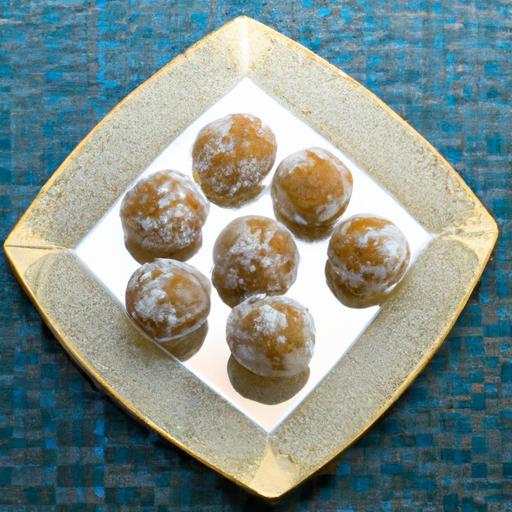
In the vibrant tapestry of West African cuisine, few treats capture the heart and palate quite like Gbofloto-Ivory Coast’s beloved golden delight. These crispy, honey-drizzled fritters, affectionately known as “Golden Bites,” are more than just a snack; they are an edible emblem of culture, community, and party. As thier warm, fragrant aroma drifts through the bustling markets and lively street corners, gbofloto invites locals and visitors alike to savor a taste that is both comfortingly familiar and irresistibly enchanting. Join us on a flavorful journey to uncover the history, tradition, and mouthwatering appeal behind these golden morsels that continue to charm Ivory Coast and the world beyond.
Gbofloto, the golden-brown fried dough treat from Ivory Coast, is a beloved snack that captures the heart of West African street food culture. Rich in history and bursting with irresistible flavor, this iconic golden bite holds a special place at markets, celebrations, and household tables alike.Its crunchy exterior, soft and airy interior, and subtly sweet taste evoke warmth and community. Discover how to craft these delightful morsels yourself,unlocking both tradition and tantalizing aromas in your kitchen.
Prep and cook Time
Planning: 15 minutes | Rising: 1 hour | Cooking: 10 minutes | Total: 1 hour 25 minutes
Yield
About 20 medium-sized Gbofloto (serves 4-5 as a snack)
Difficulty Level
Medium - Requires attention to dough consistency and frying technique, but fully approachable for home cooks
Ingredients
- 2 ½ cups all-purpose flour, sifted
- 3 tbsp granulated sugar
- 1 tsp active dry yeast
- 1/2 tsp salt
- 1 cup warm water (about 105°F/40°C)
- 1 tsp pure vanilla extract
- Vegetable oil, for deep frying (about 4 cups)
Instructions
- Activate the yeast: In a small bowl, combine the warm water, sugar, and yeast. Stir gently and let sit for 5-10 minutes untill foamy, indicating the yeast is active.
- Prepare the dough: In a large mixing bowl, whisk together the sifted flour and salt. Create a well in the center and pour in the yeast mixture and vanilla extract. Stir gently to combine until a sticky dough forms.
- knead: Transfer the dough to a lightly floured surface. Knead for 8-10 minutes until smooth and elastic.Add minimal extra flour if dough feels too sticky, but keep it soft to ensure a light texture.
- First rise: Place the dough in a lightly oiled bowl, cover with a damp cloth or plastic wrap, and let rise in a warm spot for about 1 hour, or until doubled in size.
- Shape the Gbofloto: Punch down the risen dough gently. Using floured hands, pinch off golf-ball-sized portions, rolling them lightly into smooth balls.
- Heat oil: Pour vegetable oil into a deep skillet or fryer to a depth of about 2 inches. Heat over medium heat to 350°F (175°C). Use a thermometer to maintain consistent temperature-this prevents greasy or undercooked results.
- Fry: carefully drop 3-4 dough balls at a time into the hot oil. Fry, turning gently, until the Gbofloto are golden brown on all sides, about 3-4 minutes per batch.
- Drain: remove with a slotted spoon and place on paper towels to drain excess oil.
- Serve warm: Enjoy immediately for the best contrast of crisp exterior and fluffy center.
tips for Success
- Consistent oil temperature is critical: Too hot will burn the outside; too cool allows oil absorption, making gbofloto greasy.
- For an extra fluffy texture, let the dough rise twice: after shaping the dough balls, rest them for an additional 15-20 minutes before frying.
- Substitutions: You can swap vanilla extract with a pinch of grated nutmeg or orange zest for a regional twist on aroma.
- Make-ahead: Prepare the dough the night before and refrigerate; bring back to room temperature and punch down before shaping and frying.
- For a savory version, reduce sugar and add finely chopped chili or herbs to the dough.
Serving Suggestions to Elevate Your Gbofloto Experience
Gbofloto shines as a snack for morning or afternoon tea. Serve them in a rustic basket lined with vibrant banana leaves for an authentic Ivory Coast aesthetic. Garnish with a light dusting of powdered sugar or drizzle with honey to accentuate the sweetness. Pair each golden bite with a cup of customary hibiscus tea (learn more about hibiscus tea) or freshly brewed spiced ginger tea for a perfect balance of flavors.
For a savory twist, accompany Gbofloto with a side of spicy tomato sauce or a creamy peanut dip that echoes West African culinary staples. These pairings add layers of richness and tang that contrast deliciously with the dough’s airy crunch.

| Nutrient | Per 2 Gbofloto |
|---|---|
| Calories | 250 kcal |
| Protein | 5 g |
| Carbohydrates | 35 g |
| Fat | 8 g |
Explore more West African delights and elevate your cooking with our Authentic Ivorian Recipes Collection. Dive into food heritage that celebrates bold,comforting flavors and rich culinary traditions.
Q&A
Q&A: Golden Bites - The Irresistible Charm of Gbofloto from Ivory Coast
Q: What exactly is Gbofloto?
A: Gbofloto, often described as the “golden bite” of Ivory Coast, is a beloved traditional street snack. these fluffy, deep-fried dough balls are crispy on the outside and soft, airy on the inside-a perfect harmony of texture and flavor that captures the heart of Ivorian cuisine.
Q: How did gbofloto become such a staple in Ivorian culture?
A: Gbofloto’s roots trace back through generations as a humble fare enjoyed by all social classes. Sold ubiquitously at markets, street corners, and festivals, it has become more than just a snack-it’s a symbol of communal joy and a culinary emblem of Ivory Coast’s vibrant social life.
Q: What ingredients give Gbofloto its unique texture and flavor?
A: The magic lies in a simple yet well-balanced blend of wheat flour, sugar, yeast, water, and a touch of salt. The yeast works its magic, creating a light and fluffy interior, while frying in hot oil gives Gbofloto its golden, crisp crust. Sometimes, a hint of vanilla or nutmeg is added to elevate its fragrance and taste.
Q: Can you describe the experience of eating Gbofloto?
A: Imagine biting into a warm, golden orb that yields a satisfyingly crisp shell followed by a pillowy, slightly sweet center. It’s a delightful contrast that feels like a tiny celebration in your mouth-comforting, nostalgic, and irresistibly addictive.
Q: How is Gbofloto typically served or enjoyed?
A: Gbofloto is frequently enjoyed fresh and hot, often alongside a cup of spiced coffee or a sweetened millet drink called “bissap.” Sometimes, locals sprinkle a little sugar on top for an extra touch of sweetness or pair it with fresh fruit for a balanced snack.
Q: Are there regional variations of Gbofloto within Ivory Coast?
A: Yes! While the core recipe remains consistent, some regions infuse the dough with additional flavors such as grated coconut or ground ginger to reflect local tastes. Street vendors may also adapt Gbofloto by adjusting its size-from bite-sized treats to larger, fluffy rings.
Q: What makes Gbofloto stand out among other African fried dough snacks?
A: Gbofloto stands apart due to its perfect balance of flavor,texture,and cultural importance. Unlike some fried dough varieties that lean either too dense or too oily, Gbofloto’s lightness and subtle sweetness create a refined treat that is both satisfying and easy to enjoy any time of day.
Q: How can someone outside Ivory Coast try making Gbofloto at home?
A: Start with simple ingredients: flour, yeast, sugar, salt, and water. Allow the dough to rise until it doubles in size, then shape it into small balls and fry in hot oil until golden brown. Patience is key to achieving the fluffy interior and crispy exterior. Pair your homemade Gbofloto with a sweet tea or fruit juice, and transport yourself to the lively streets of Abidjan with every bite.
Q: Why does Gbofloto continue to charm both locals and visitors alike?
A: Gbofloto is more than food-it’s an experience steeped in tradition,shared among friends and strangers alike. Its simple ingredients combine to create moments of joy, nostalgia, and community. This universal appeal makes Gbofloto a golden treasure of Ivory Coast’s culinary heritage.
In Conclusion
As the last golden bite of Gbofloto melts away, it leaves behind more than just a lingering sweetness-it carries with it the rich tapestry of Ivory Coast’s culture, history, and warmth. This humble fritter, crispy on the outside and tender within, encapsulates the soul of a nation that finds joy in simple, shared moments around food. Whether enjoyed on bustling street corners or during festive gatherings, Gbofloto is more than a snack; it’s an invitation to savor the irresistible charm of ivorian tradition one flavorful bite at a time. So next time you seek a taste adventure, let Gbofloto guide your palate to the golden heart of West Africa.