In the heart of East Africa, where verdant hills cradle vibrant cultures, a culinary treasure has captivated taste buds and told stories for generations-Matooke. This humble plantain, transformed through age-old techniques into a sumptuous, savory delight, is far more than just a staple food in Uganda; it is a symbol of tradition, community, and flavor mastery. “Matooke Magic: Uganda’s Savory Plantain Delight Unveiled” invites you on a flavorful journey to uncover the secrets behind this iconic dish, exploring its rich history, cultural meaning, and the unique methods that elevate simple plantains into a mouthwatering masterpiece. Prepare to be enchanted by the magic that unfolds when nature’s bounty meets culinary artistry in Uganda’s beloved Matooke.
Matooke Magic invites you on a flavorful journey to the heart of Uganda, where this beloved dish is not only a staple but a cultural emblem. Originating from the lush, verdant regions of East Africa, matooke-steamed green plantains-carries a story of communal feasts, family bonds, and traditional flavors passed down through generations. Preparing perfectly steamed matooke is an art that celebrates patience, precision, and respect for authentic Ugandan culinary heritage. As you embark on this adventure, expect tender plantains infused with subtle earthiness and an unmistakable zest that only true matooke can deliver.
Prep and Cook Time
- Readiness: 15 minutes
- Cooking: 45 minutes
- Total Time: 1 hour
Yield
Serves 4 generous portions
Difficulty Level
Medium – Requires some peeling and steaming technique but accessible to all skill levels
Essential Ingredients for authentic Ugandan Flavor
- 8 green plantains (matooke), unripe and firm
- 1 cup water (for steaming)
- Banana leaves or aluminum foil (for wrapping)
- Salt, to taste
- 1 tablespoon vegetable oil (optional, for finishing)
- Fresh cilantro or parsley, finely chopped (for garnish)
Mastering the Art of Preparing Perfectly Steamed Matooke
- Prepare the Plantains: Begin by carefully peeling the green plantains. Use a sharp knife to cut off both ends, then make a shallow lengthwise slit along the skin. Pry off the peel, revealing firm, pale flesh underneath. Be intentional and gentle to keep the plantains intact.
- Wrap the Plantains: Traditionally, matooke are wrapped in fresh banana leaves for an earthy aroma, but if unavailable, clean aluminum foil works beautifully.Wrap each peeled plantain individually, sealing tightly to trap steam.
- Set Up the Steamer: Fill a large pot with a small amount of water-just enough to generate steam without touching the plantains. Place a steaming rack or sieve inside so the wrapped plantains rest above the water level.
- Steam the Matooke: Arrange the wrapped plantains on the rack, cover with a tight-fitting lid, and cook over medium heat for about 45 minutes. Check halfway, adding more hot water if necessary, ensuring the steam continues steadily.
- Check for Tenderness: Carefully unwrap one plantain (watch out for hot steam) and pierce it with a fork. It should feel tender,soft but not mushy. If firm, reseal and steam a bit longer.
- Mash and Season: unwrap the steamed plantains and place them in a bowl. Using a potato masher or sturdy spoon, mash gently until smooth and creamy. Add a pinch of salt and a drizzle of vegetable oil for richness, stirring until luscious.
Tips for Success with Matooke Magic
- Choosing plantains: For authentic flavor, select firm, green plantains that resist gentle pressure but are not rock-hard. Overripe bananas won’t yield the distinctive savory profile.
- Banana Leaves vs. Foil: If possible, source fresh banana leaves for wrapping; their subtle fragrance elevates the dish. Remember to soften them over low heat or a flame before wrapping to prevent tearing.
- Steaming Control: Keep the water level consistent to maintain steady steam. Avoid boiling aggressively which could cause the pot to dry out or the leaves to burn.
- Make-Ahead: Steamed matooke can be prepared in advance and gently reheated with a splash of water, wrapped again to retain moisture.
- Variations: For a heartier dish, serve alongside slow-cooked beef stew or sautéed greens, classic ugandan accompaniments that complement the mild sweetness.
Creative Serving Suggestions to Elevate Your Matooke experience
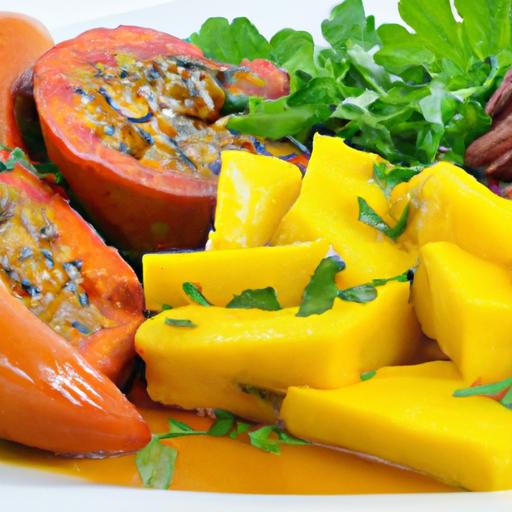
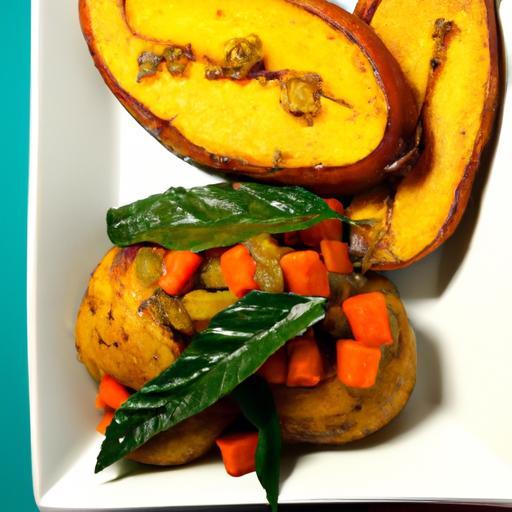
Matooke magic shines brightest when thoughtfully presented. For an inviting plate, mound fluffy mashed matooke in the center and drizzle with a vibrant sauce-think spicy groundnut stew or lush tomato gravy. Garnish with freshly chopped cilantro or parsley for a shining pop of color and fresh aroma. Serve alongside sautéed kale or collard greens dressed with garlic and chili to contrast soft textures with crisp greens.
For casual gatherings, wrap small rounded portions in banana leaves as bite-sized parcels, paired with dipping sauces like tangy tamarind or a zesty lime chili salsa. Consider accompanying with Ugandan-style grilled tilapia for a true taste of the region.

| Nutrition per Serving | Calories | Protein | Carbs | fat |
|---|---|---|---|---|
| matooke (mashed) | 210 kcal | 2 g | 54 g | 0.3 g |
| With Veg. Oil | 250 kcal | 2 g | 54 g | 7 g |
Unlock more about traditional African dishes and their culinary techniques over at our Uganda Cuisine Guide. For additional insights on the nutritional benefits of plantains, the Encyclopaedia Britannica provides an authoritative resource that complements your cooking journey.
Q&A
Q&A: Matooke Magic – Uganda’s Savory Plantain Delight Unveiled
Q1: What exactly is Matooke, and why is it considered magical in Ugandan cuisine?
A1: Matooke is a traditional Ugandan dish made from green plantains that are peeled, steamed, and mashed into a smooth, flavorful staple. Its ”magic” lies in its versatility and cultural significance-often dubbed the heart of Ugandan meals, it embodies the warmth of home and communal gatherings. The natural subtle sweetness of the plantains transforms into a savory delight when cooked just right, enchanting taste buds across generations.Q2: How are Matooke plantains different from the common bananas we eat?
A2: While plantains resemble bananas, they have a firmer texture and are starchier, making them perfect for cooking rather than eating raw. In Matooke, unripe green plantains are preferred as their mild flavor creates a soft, creamy mash that serves as a canvas for a variety of savory accompaniments, unlike the sweet, soft raw bananas we snack on.
Q3: What is the traditional process of preparing Matooke?
A3: Preparation begins by carefully peeling the green plantains, often wrapped individually in banana leaves to preserve moisture and impart subtle aroma.They’re then steamed over low heat until tender. After steaming, the plantains are mashed by hand or with a wooden spoon, creating a smooth, elastic texture. This method respects the dish’s heritage and results in Matooke’s signature delicate taste and consistency.
Q4: What kinds of dishes typically accompany Matooke in a Ugandan meal?
A4: Matooke is usually paired with rich, savory stews or sauces-think succulent chicken or beef simmered with tomatoes, onions, and local spices. Vegetable sauces featuring groundnuts (peanuts), greens like spinach or pumpkin leaves, and beans also beautifully complement it. These hearty, flavorful sides contrast perfectly with Matooke’s mildness, creating a balanced and satisfying plate.
Q5: Can Matooke be enjoyed beyond Uganda’s borders?
A5: Absolutely! With growing interest in African cuisines worldwide, matooke is gaining fans globally.Its unique texture and subtle flavor make it an exciting alternative carbohydrate to rice or potatoes for adventurous food lovers. Plus, its plantain base appeals to those seeking gluten-free or naturally wholesome dishes.
Q6: Are there any creative twists or modern versions of Matooke?
A6: Chefs today are experimenting by infusing Matooke with diverse herbs or incorporating it into fusion dishes. Such as, Matooke mash can be served alongside spiced vegetable ragouts or topped with coconut-based sauces for a tropical flair. Some even bake Matooke into casseroles or combine it with legumes to elevate its nutritional profile while honoring its roots.
Q7: What cultural significance does Matooke hold in Ugandan society?
A7: Matooke is more than just food-it’s a symbol of hospitality, tradition, and community spirit. Frequently enough prepared for family celebrations, weddings, and communal feasts, it carries stories and memories passed down through generations.sharing Matooke fosters connection, making it a dish woven tightly into the fabric of Ugandan life.
Q8: How can someone new to Matooke best experience its flavors?
A8: For first-timers, the best way is to enjoy Matooke with a hearty beef or chicken stew or a rich peanut sauce, accompanied by fresh greens. The contrast of the creamy, slightly sweet Matooke and robust savory accompaniments creates an inviting journey for the palate.Visiting an authentic Ugandan restaurant or attempting a traditional recipe at home is a great way to dive into this cultural delight.
Unlock the enchantment of Matooke and taste the essence of Uganda in every bite-a true culinary magic waiting to be discovered!
Wrapping Up
As the sun sets over uganda’s lush landscapes, the aroma of matooke gently wafts through bustling kitchens and quiet village homes alike-a fragrant reminder of a tradition steeped in history and flavor. This humble plantain, transformed through time-tested techniques into a tender, savory delight, is more than just a dish; it’s a cultural emblem, a story told with every bite.Whether enjoyed in the heart of Kampala or savored by travelers eager for authentic tastes, Matooke continues to enchant palates and preserve heritage. So next time you seek a culinary adventure rooted in rich flavors and timeless customs,let Matooke’s magic transport you straight to the heart of Uganda’s vibrant soul.