in the delicate dance of flavors that define Asian cuisine, dessert soups hold a special, often overlooked place. These sweet, warm concoctions offer more than just a comforting finish to a meal-they carry stories of heritage, celebration, and family traditions simmered to perfection. From the silky red bean soups of East Asia to the fragrant coconut-infused bowls of Southeast Asia, dessert soups invite us to explore a world where sweetness meets subtlety and every spoonful tells a tale. Join us as we embark on a flavorful journey through “Sweet Traditions: Exploring Asian Dessert Soup Recipes,” uncovering the recipes, ingredients, and cultural significance that make these desserts timeless treasures across the continent.
Sweet Traditions: Exploring Asian Dessert Soup Recipes
Embark on a journey of flavor and history with Asian dessert soups, a beloved staple that has delighted generations across the continent. Sweet Traditions: Exploring Asian Dessert Soup Recipes introduces you to these comforting bowls of warmth and sweetness, combining fragrant herbs, textured beans, and alluring spices that capture centuries of cultural heritage. Whether enjoyed hot or chilled, these soups tell stories of familial bonds, festive celebrations, and even ancient medicinal wisdom.
Origins and cultural Significance of Asian Dessert Soups
Rooted in the diverse culinary landscapes of East and Southeast Asia, dessert soups have long held a cherished place at the table. From the bustling streets of Taipei to tranquil tea houses in Guangzhou,these sweet soups often bridge generations and festivals – serving as symbols of prosperity,health,and togetherness. Many recipes originated from traditional Chinese medicine, where ingredients like lotus seeds and longan were prized not only for thier flavors but for their nourishing qualities. Each spoonful is a tribute to centuries-old customs that emphasize balance and harmony, encapsulated in the art of simmering simple, natural ingredients into silky, elegant desserts.
ingredient Spotlight: Unique Flavors and Health Benefits
- Mung Beans: With a delicate sweetness and creamy texture, mung beans add subtle flavor while offering protein and antioxidants that support digestion and skin health.
- Lotus Seeds: Slightly nutty and chewy, lotus seeds are believed to promote calm and vitality, making them a staple in many dessert soups.
- Rock Sugar: A purer, more refined sweetener than granulated sugar, rock sugar dissolves gently to preserve the delicate nuances of the soup’s ingredients.
- Longan: Often dried, the longan fruit imparts a warm, honey-like sweetness and is traditionally valued for boosting energy and circulation.
- Taro: This starchy root lends a velvety mouthfeel and rich, earthy undertones, alongside fiber and vitamins supportive of digestive health.
Prep and Cook Time
- Preparation: 15 minutes
- Cooking: 45 minutes
- Total Time: 1 hour
Yield
serves 4 as a dessert
Difficulty Level
Medium – Requires simmering patience and balanced flavor development
Ingredients
- 1/2 cup dried mung beans, rinsed and soaked for 1 hour
- 3/4 cup dried lotus seeds, soaked for 2 hours
- 8 cups filtered water
- 1/2 cup dried longan
- 1/3 cup rock sugar, adjust to taste
- 1 medium taro root, peeled and cubed (about 1 cup)
- 1 teaspoon vanilla extract (optional)
- Pinch of salt
Step by Step Guide to Crafting Classic Asian Sweet Soups
- Start by draining your pre-soaked mung beans and lotus seeds. Place them in a large pot with 8 cups of filtered water and bring to a gentle boil.
- reduce heat to simmer, cover partially, and cook the beans and seeds for about 25 minutes, stirring occasionally to prevent sticking. The beans should become soft but intact.
- Add the cubed taro root and dried longan to the pot. Continue simmering for another 15 minutes untill the taro is tender and slightly translucent.
- Stir in the rock sugar and a pinch of salt, allowing the sugar to dissolve completely while keeping the soup gently simmering. Taste and adjust sweetness as needed.
- Optional enhancement: For a deeper aroma, stir in 1 teaspoon of vanilla extract just before turning off the heat.
- Remove from heat and let the mixture cool slightly before serving warm or chilled for a refreshing choice.
Chef’s Notes and Tips for success
- Soaking is key: Proper soaking softens the beans and seeds, reducing cooking time and ensuring an even, creamy texture.
- texture balance: avoid overcooking taro to prevent a mushy soup; it should hold its shape but melt softly in your mouth.
- Sweetener swaps: Palm sugar or coconut sugar can replace rock sugar for earthier nuances, complementing tropical flavor profiles.
- Make-ahead magic: This dessert soup improves overnight as flavors harmonize – just reheat gently with a splash of water to loosen consistency.
- Vegan-pleasant: This recipe is naturally plant-based, perfect for any dietary preference without sacrificing richness.
Serving Suggestions
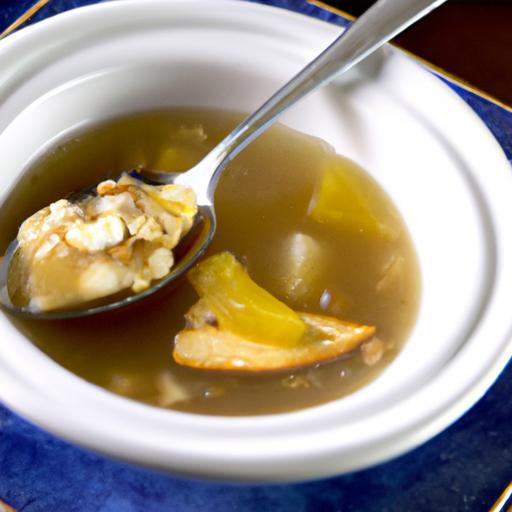
To delight your taste buds visually and texturally,serve the dessert soup in delicate porcelain bowls. Garnish with a sprinkle of toasted sesame seeds or a few fresh mint leaves for a pop of color. For an indulgent twist, a dash of coconut cream drizzled on top brings lusciousness and enhances the aromatic profile. Pair with light jasmine tea for a classic tasting experience that cleanses the palate between spoonfuls.

Nutritional Facts per Serving
| Calories | protein (g) | Carbohydrates (g) | fat (g) |
|---|---|---|---|
| 180 | 6 | 38 | 1.5 |
For more delightful Asian dessert ideas, explore our sticky rice dessert recipes. Learn about the health benefits of traditional ingredients on pubmed Central.
Q&A
Q&A: Sweet Traditions – Exploring Asian Dessert Soup Recipes
Q1: What makes Asian dessert soups unique compared to Western sweet dishes?
A1: Asian dessert soups offer a delightful harmony of textures and flavors, often balancing natural sweetness with subtle earthy or floral notes. Unlike Western desserts that typically focus on rich creams or baked goods, these soups emphasize lightness, warmth, and the comforting embrace of ingredients like beans, grains, fruits, and aromatic roots. The experience is both nourishing and refreshing, perfect for any season.
Q2: Can you name some popular ingredients commonly used in Asian dessert soups?
A2: Absolutely! Typical ingredients include sweet mung beans, red beans (adzuki), lotus seeds, tapioca pearls, glutinous rice balls (tangyuan), sweet potatoes, taro, dried longans, pandan leaves, and coconut milk.These components not only provide unique textures but also deliver subtle, natural sweetness that makes each spoonful a cultural treasure.
Q3: Are these dessert soups served hot or cold?
A3: The beauty of Asian dessert soups is their versatility. Some, like the classic red bean soup, are typically enjoyed hot to warm the soul during cooler months. Others, such as sweet sago with mango, are served chilled, making them refreshing treats in warmer weather. Many recipes can be adapted depending on personal preference or season.Q4: How do sweet dessert soups fit into Asian cultural traditions?
A4: Dessert soups frequently enough carry symbolic meanings and are integral to celebrations, festivals, and family gatherings.For instance, tangyuan-glutinous rice balls in a sweet broth-are traditionally eaten during the Lantern Festival to symbolize unity and harmony. These soups are more than food; they’re edible memories passed down through generations.
Q5: Is it difficult to prepare authentic asian dessert soups at home?
A5: Not at all! While some ingredients might feel new, many Asian dessert soups are surprisingly simple and adaptable. With basic pantry staples like rice flour, beans, or tapioca, and easy-to-follow steps, anyone can recreate these comforting treats. Plus, homemade dessert soups allow for creativity-adjust the sweetness, add favorite fruits, or experiment with spices like ginger and pandan.Q6: How can someone new to Asian dessert soups start exploring recipes?
A6: Start with popular, beginner-friendly recipes like sweet red bean soup or mango pomelo sago. These highlight classic flavors without complicated techniques. From ther, try integrating seasonal ingredients like taro or longans. Watching cooking videos and sourcing ingredients from an Asian market can enhance the experience and make the journey even more rewarding.
Q7: Are Asian dessert soups healthy?
A7: Many Asian dessert soups focus on natural ingredients with nutritional benefits-beans provide protein and fiber, fruits add vitamins and antioxidants, and roots like ginger aid digestion. Unlike sugar-laden Western desserts, these soups usually use moderate sweetness, often balanced with healthful components, making them a lighter, nourishing way to satisfy a sweet tooth.
Q8: Can Asian dessert soups be adapted for dietary restrictions?
A8: Definitely! Most recipes are inherently plant-based and gluten-free, relying on natural starches and beans. Coconut milk can substitute dairy, while natural sweeteners like palm sugar or rock sugar keep it authentic yet customizable. Whether vegan, gluten-free, or simply looking for lighter options, Asian dessert soups can be tailored to fit various dietary needs while preserving their cultural essence.
Through these questions and answers, we invite curious food lovers to dive spoon-first into the sweet traditions of asian dessert soups-where every bowl tells a story, every ingredient sings with history, and every sip offers a warm connection to a rich cultural tapestry.
Insights and Conclusions
As we wrap up our journey through the warm and wondrous world of Asian dessert soups, its clear that these sweet traditions are more than just comforting treats-they are edible stories steeped in history, culture, and a shared sense of community. From the velvety richness of red bean soup to the fragrant embrace of coconut-infused delights, each recipe invites us to slow down, savor the moment, and celebrate the artistry behind every spoonful. Whether you’re a seasoned cook or a curious foodie, these dessert soups offer a delicious gateway to explore Asia’s diverse flavors and timeless customs. So next time you crave something sweet and soothing, remember: there’s a bowl of tradition waiting to be discovered, blending heritage and heart in every bite.