From sizzling street stalls in Bangkok to rustic family kitchens in Tuscany, the world is a vast tapestry of flavors, each culture boasting its own mouthwatering meat dishes that tell stories of tradition, geography, and passion.Embarking on a culinary journey across continents, ”Savor the Best: Exploring flavorful Meat Dishes Worldwide” invites you to discover the secrets behind iconic recipes and the unique spices, techniques, and ingredients that elevate meat from mere sustenance to unforgettable art. Whether you’re a seasoned foodie or an adventurous eater, prepare to feast your senses and deepen your appreciation for the rich diversity of meaty delights that unite us all.
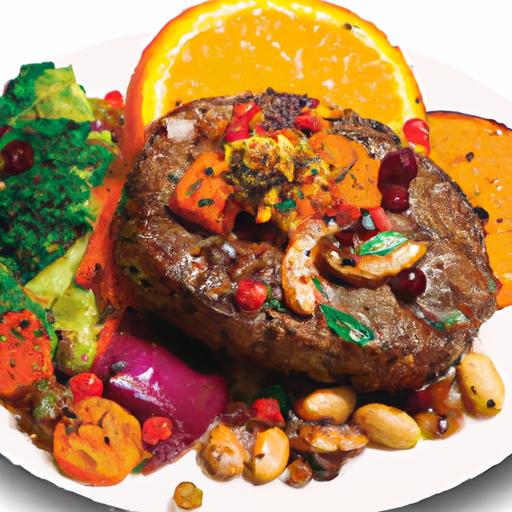
Savor the Best: Exploring Flavorful Meat Dishes Worldwide is a thrilling culinary journey into the heart of regional meat specialties that truly define local cultures. One iconic dish that exemplifies this immersive experience is the Moroccan spiced Lamb Tagine. Originating from the rich traditions of North african cooking,this slow-cooked marvel marries vibrant spices and tender meat to create an unforgettable explosion of flavor that invites both novice cooks and seasoned chefs alike to master customary cooking techniques while celebrating global culinary heritage.
Prep and Cook Time
- Preparation: 20 minutes
- Cooking: 2 hours 30 minutes (slow simmer)
- total Time: 2 hours 50 minutes
Yield
- Serves 6 hearty portions
Difficulty Level
- Medium – Perfect for those ready to elevate their slow-cooking skills
Ingredients
- 2 lbs lamb shoulder, trimmed and cut into 2-inch cubes
- 2 tbsp olive oil
- 1 large onion, finely chopped
- 4 cloves garlic, minced
- 1 tsp ground cumin
- 1 tsp ground coriander
- 1 tsp ground cinnamon
- 1 tsp smoked paprika
- ½ tsp ground turmeric
- ½ tsp cayenne pepper (optional, adjust to taste)
- 1 cup crushed tomatoes (fresh or canned)
- 1 tbsp honey
- 1 cup chicken or beef broth (low sodium)
- 1 cup dried apricots, chopped
- 1 cup green olives, pitted and halved
- Fresh cilantro and parsley for garnish
- Salt and freshly ground black pepper to taste
Instructions
- Heat olive oil in a heavy-based tagine or Dutch oven over medium-high heat. Add the lamb cubes and brown them evenly on all sides, about 5 minutes. Work in batches if necessary to avoid overcrowding.
- Remove the lamb and set aside. In the same pot, add the chopped onion and sauté until soft and translucent, about 6 minutes.
- Add the garlic and spices: cumin, coriander, cinnamon, smoked paprika, turmeric, and cayenne pepper. Stir constantly to toast the spices until fragrant, roughly 2 minutes, ensuring not to burn them.
- return the lamb to the pot. Pour in the crushed tomatoes, honey, and broth, stirring gently to combine. Season with salt and pepper.
- Bring to a simmer, then reduce the heat to low. Cover with a lid and let it slow-cook gently for 2 hours, stirring occasionally to prevent sticking.
- After 2 hours, stir in the dried apricots and green olives. Continue cooking uncovered for an additional 30 minutes, allowing the sauce to thicken and the flavors to meld perfectly.
- Adjust seasoning as needed. The lamb should be meltingly tender, infused with the aromatic spices and the subtle sweetness of apricots.
- Garnish generously with fresh cilantro and parsley before serving.
Tips for Success
- For the moast tender lamb, choose well-marbled shoulder cuts and brown the meat thoroughly to lock in juices.
- If you can’t find a tagine, a heavy-bottomed Dutch oven will work perfectly, providing even heat distribution.
- Adjust spice levels to suit your palate. For a milder taste, reduce cayenne or omit it entirely.
- The dried apricots can be swapped with dried figs or dates for a different sweetness profile.
- This dish benefits from slow cooking – resist the urge to rush it, as slow simmering breaks down connective tissue, resulting in melt-in-your-mouth meat.
- Make-ahead tip: The dish tastes even better the next day as the spices deepen. Refrigerate and gently reheat before serving.
Serving Suggestions
This Moroccan Lamb Tagine pairs beautifully with fluffy couscous, garnished with a sprinkle of toasted almonds or pine nuts for added crunch. Serve alongside a simple cucumber and mint yogurt salad to balance the rich flavors. For an authentic touch, present the dish in a traditional tagine or rustic serving bowl, accompanied by warm flatbreads to soak up the luscious sauce.

| Nutritional Info (per serving) | Amount | Unit |
|---|---|---|
| Calories | 480 | kcal |
| Protein | 42 | g |
| Carbohydrates | 18 | g |
| Fat | 28 | g |
| Fiber | 3 | g |
For more inspiration on mastering meat dishes from various cultures, explore our extensive guide to global meat cooking techniques. To deepen your understanding of traditional marinade applications, the Culinary Institute of America offers invaluable resources and expert insights.
Q&A
Q&A: Savor the Best – Exploring Flavorful Meat Dishes Worldwide
Q1: Why do meat dishes hold such a special place in global cuisine?
A: Meat dishes often serve as the centerpiece of celebratory meals and everyday feasts alike,connecting people through shared traditions and rich flavors. Across cultures,cooking meat is an art that reveals the history,climate,and palette of a region,turning simple ingredients into memorable experiences.
Q2: Which regions are renowned for their distinctive and flavorful meat preparations?
A: From the smoky barbecues of Texas, the spicy kebabs of the Middle East, the hearty stews of Eastern Europe, to the aromatic curries of South Asia – each region brings its own flair. As a notable example, the tender lamb tagines of North Africa or the herb-infused grilled beef of Argentina showcase how geography and culture shape taste.
Q3: How do cooking methods influence the flavor profiles of meat dishes worldwide?
A: Techniques like slow roasting, smoking, braising, and grilling all coax different flavors and textures from meat. Slow cooking allows spices and marinades to deeply penetrate, creating tender and complex bites, while grilling adds char and caramelization that heightens umami and smokiness.Q4: What role do spices and herbs play in enhancing meat dishes?
A: Spices and herbs act like flavor architects,layering complexity and intrigue. Imagine the aromatic blend of cumin, coriander, and cinnamon in a Moroccan lamb stew, or the fresh punch of cilantro and lime brightening a grilled chicken from Southeast Asia – these seasonings transform meat into an evocative journey.
Q5: Can exploring meat dishes worldwide inspire home cooks to experiment?
A: Absolutely! Trying global recipes opens doors to new ingredients, techniques, and flavor combinations. Whether marinating a beef brisket with Korean gochujang or slow-cooking goat curry inspired by Indian traditions, adventurous cooks can deepen their appreciation and skill while tantalizing their taste buds.
Q6: Are there any lesser-known meat dishes that deserve more attention?
A: Yes! Consider the robust, cinnamon-infused mutton pilaf from Central asia or the smoky matambre from Argentina – a thin cut of beef rolled with herbs and vegetables. These gems offer unique textures and flavor balances that can surprise and delight, inviting culinary exploration beyond familiar favorites.
Q7: How can one balance richness and freshness when preparing meat dishes?
A: Incorporating fresh ingredients like citrus, herbs, and crunchy vegetables alongside rich, slow-cooked meats helps to create harmony on the plate. Such as,serving a savory roast lamb with a zesty mint chutney or crisp salad adds brightness that elevates the overall experience.
Q8: what is the cultural importance of sharing meat dishes in communal settings?
A: Sharing meat-heavy meals often reflects hospitality and celebration. Whether gathered around a communal grill, enjoying a festive stew, or partaking in a ceremonial roast, these occasions foster connection and storytelling – nourishing both body and soul through tradition.
Discovering flavorful meat dishes worldwide is not just about taste; it’s an invitation to explore heritage, creativity, and community through every savory bite.
Future Outlook
As our flavorful journey through the world’s most tantalizing meat dishes comes to a close, one thing is clear: meat is more then just sustenance-it’s a celebration of culture, tradition, and creativity. From smoky barbecues tucked away in hidden alleyways to intricate feasts rooted in centuries-old customs, each dish tells a story worth savoring. So next time you sit down to a hearty plate of meat, remember you’re tasting a global tapestry woven from diverse flavors and passionate craftsmanship. happy eating, and may your culinary adventures continue to be as rich and varied as the world itself.